From wax tablets to the codex: how we engineered the physical book
In short: Before the modern book, knowledge was a sequential struggle of unrolling scrolls. The invention of the codex—pages bound at the spine—transformed how we store and access information. From medieval leather-bound treasures to the industrial revolution’s mass-produced paperbacks, the craft of bookbinding has evolved to balance durability, portability, and aesthetic design.
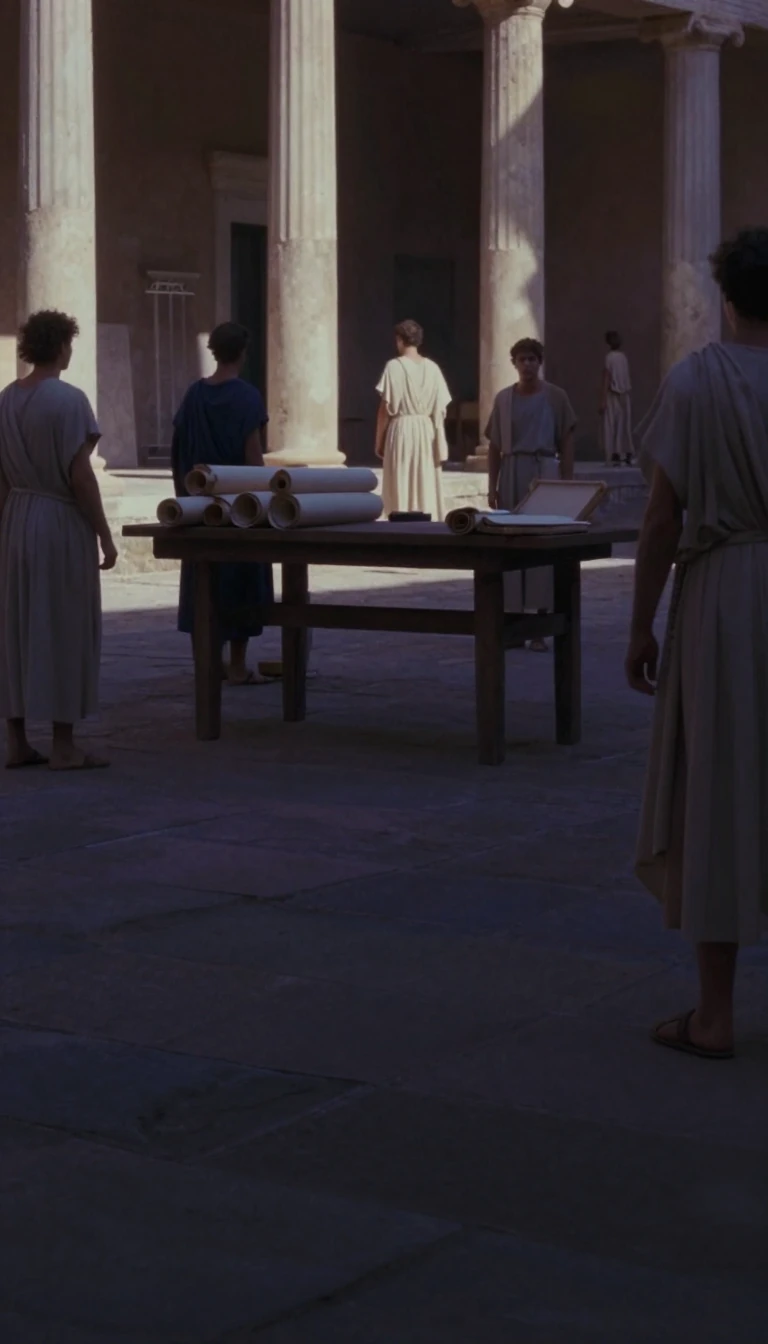
The transition from the scroll to the codex was a fundamental shift in information technology. In the Roman Empire, early codices emerged in the 1st century AD as a practical alternative to scrolls and wax tablets. By the 6th century AD, the codex had entirely replaced these older media in the Western world. This format allowed for writing on both sides of the page and significantly faster navigation, as readers could flip directly to a specific section rather than unrolling a sequential medium.
Bookbinding evolved from a bespoke craft into an industrial process. Medieval books were often heavy, bound with wooden boards and metal furniture to protect vellum from humidity. By the 15th century, the introduction of rounded spines and lighter pasteboard covers facilitated upright storage on shelves. The 19th century brought mechanized production, with Archibald Leighton’s introduction of cotton-based book cloth providing a cheaper, durable alternative to leather. These innovations allowed for the mass distribution of knowledge that defines the modern era.
Today, binding techniques prioritize different needs, from the 'gold standard' of Smyth sewing—which allows books to lie flat—to adhesive-based methods for mass-market paperbacks. While modern commercial books largely follow standardized categories like case binding, the trade remains a blend of engineering and art. Whether it is a luxury leather-bound volume or a simple notebook, the structure of the book block and its protective cover continue to solve the same ancient problem: how to organize and preserve the written word for future readers.
Opens the Intellect+ feed with this card first. Swipe up for the next one.
Sources
- Summary by Intellect · source: Bookbinding
To cite this card, link to https://intellectplus.co.uk/app/art-bookbinding.
How we source, check and correct cards: Editorial standards.
General information, not professional advice. Spotted an error? Flag the card or see corrections and complaints.
Intellect Plus is a visual educational discovery platform for exploring fascinating facts and ideas. Brain Food, Not Brain Rot. What is Intellect Plus?
Related
More in Visual arts · More in Art · Latest · A–Z · All topics
