Why a simple black square became the most radical painting of the twentieth century
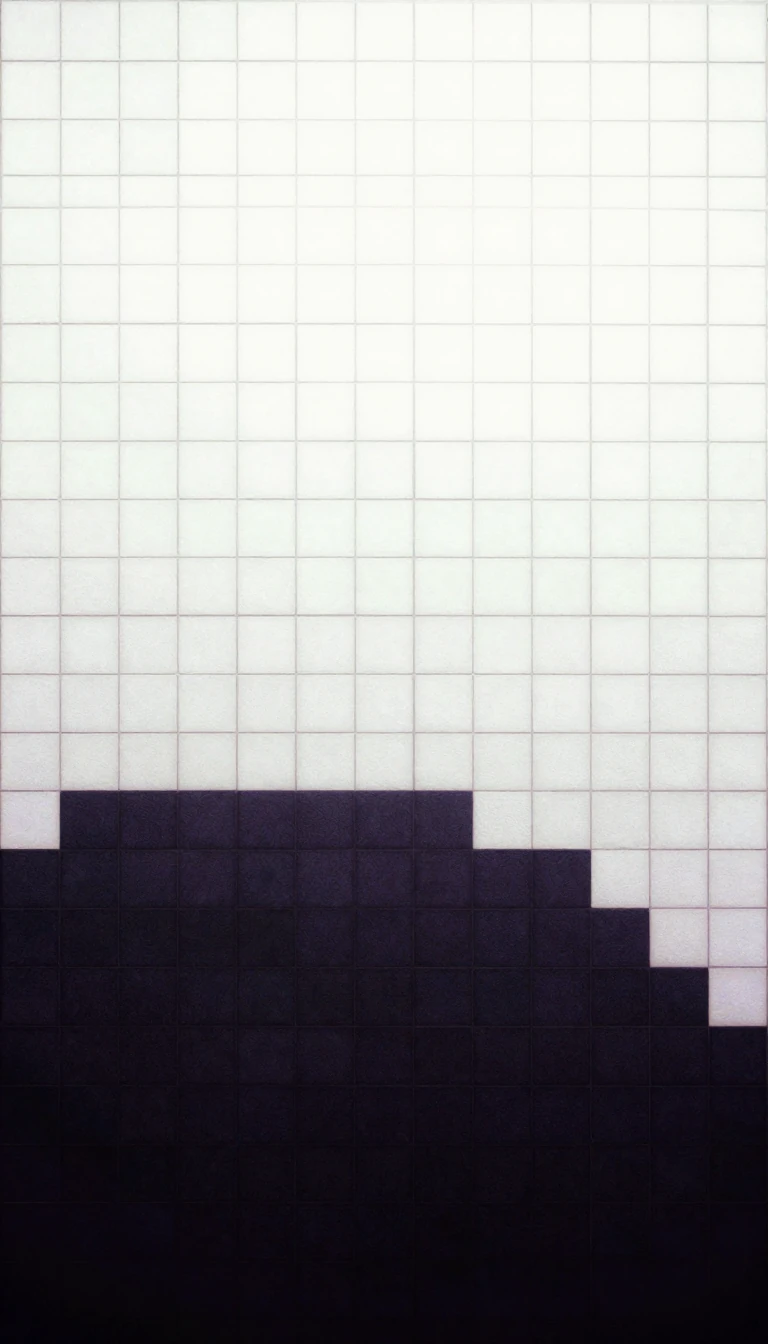
In short: In 1915, Kazimir Malevich unveiled a black square on a white background, declaring it the zero point of painting. This stark image was not merely a design but a manifesto intended to liberate art from the objective world, forever altering the trajectory of modernism and abstract art in the process.
The origins of the black square motif trace back to 1913, when Malevich designed stage sets for the Cubo-Futuristic opera Victory over the Sun. In a scene depicting the death of the sun, black squares appeared on costumes and backdrops, symbolising a future beyond traditional Russian dogma. Malevich, a self-taught artist who transitioned from folk-inspired motifs to avant-garde abstraction, recognised the design's potential immediately. He famously claimed the square was the embryo of all possibilities, possessing a terrible strength that would redefine painting.
When the first oil-on-linen version debuted at The Last Futurist Exhibition 0,10 in 1915, it was hung in the icon corner of the room, a deliberate provocation against Eastern Orthodox tradition. Malevich described the work as the inception of Suprematism, a movement focused on pure form and colour. X-ray analysis in 2015 revealed that the original canvas actually hides two earlier compositions, including one titled Negroes battling in a cave, which may have been a nod to an 1897 work by French humorist Alphonse Allais.
The painting's history is as turbulent as its aesthetic. Under Joseph Stalin, Malevich’s work fell into disrepute; the artist was arrested in 1930, and his art was eventually banned in favor of socialist realism. The original Black Square languished in Soviet archives for decades, suffering significant neglect. Today, the painting is visibly crackled and discoloured, described by critic Peter Schjeldahl as looking like a makeshift patch for a broken window. Despite its physical decay, it remains a foundational pillar of modern art history.
Opens the Intellect+ feed with this card first. Swipe up for the next one.
Sources
- Summary by Intellect · source: Black Square
- Also: Art Institute of Chicago — Gauloises Bleues (Yellow with Black Square) · CC0 (data); description CC BY 4.0
- Also: Art Institute of Chicago — Black Square, Second State · CC0 (data); description CC BY 4.0
To cite this card, link to https://intellectplus.co.uk/app/art-black-square.
How we source, check and correct cards: Editorial standards.
General information, not professional advice. Spotted an error? Flag the card or see corrections and complaints.
Intellect Plus is a visual educational discovery platform for exploring fascinating facts and ideas. Brain Food, Not Brain Rot. What is Intellect Plus?
Related
More in Visual arts · More in Art · Latest · A–Z · All topics
