When the artist becomes the canvas: how body art challenges our physical limits
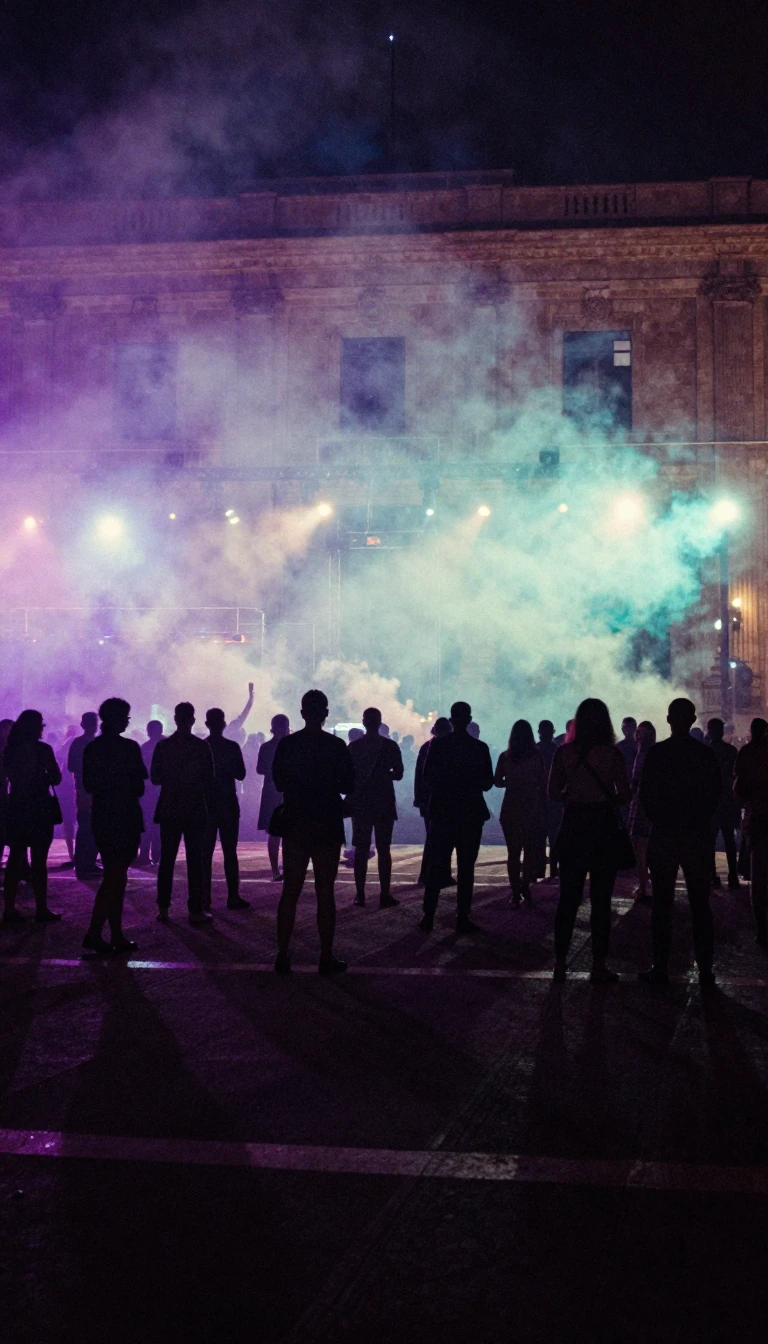
In short: Body art transforms the human form from a passive subject into an active medium. From extreme endurance performances to medical education, artists use the body to interrogate identity, gender, and the psyche. By pushing physical boundaries, these creators force viewers to confront the raw, often uncomfortable reality of human existence.
Emerging from the Conceptual Art movement of the 1970s, body art utilizes the human body as its primary medium. While its roots trace back to 1913, when Russian Futurists painted their faces and published a manifesto in the magazine Argus, the movement gained significant momentum in the 1960s and 1970s. Pioneers like the Vienna Action Group, formed in 1965, and American artists such as Carolee Schneemann, Chris Burden, and Vito Acconci, redefined the boundaries of performance. Burden, for instance, famously had himself shot in the arm in 1971 and crucified to a Volkswagen in his piece Trans-Fixed.
The medium often serves as a vessel for exploring personal and political identity. Marina Abramović’s 1974 performance Rhythm 0 invited the audience to use 72 instruments—ranging from feathers to a loaded pistol—on her body, highlighting the relationship between the performer and the viewer's psyche. Similarly, artists like Orlan have used plastic surgery to modify their appearance according to Western beauty standards, while Karen Finley and Laurie Anderson have utilized sensory and technological elements to challenge norms surrounding female power and objectification. These works often evoke visceral reactions, including disgust, to illustrate themes of abuse and social violation.
Beyond the gallery, body art has expanded into popular culture and functional applications. It now encompasses tattoos, scarification, and body painting, and even informs medical training, where students use body painting to learn anatomy on willing volunteers. Contemporary strategies have also evolved to include implants, symbiosis with technology, and virtual avatars. Whether through the absence of the body in works by artists like Antony Gormley or the extreme physical tests of Dennis Oppenheim, the movement continues to force a dialogue between the viewer's mindset and the visualization of the human form.
The practice remains diverse, ranging from the large-scale public gatherings of photographer Spencer Tunick to the architectural explorations of Diller + Scofidio, who designed apparatuses to control bodily positioning. By testing the limits of endurance and questioning the definition of the body itself, these artists ensure that the human form remains a site of constant, often provocative, experimentation.
Opens the Intellect+ feed with this card first. Swipe up for the next one.
Sources
- Summary by Intellect · source: Body art
- Also: Art Institute of Chicago — The Illustration of Art / The Body · CC0 (data); description CC BY 4.0
To cite this card, link to https://intellectplus.co.uk/app/art-body-art.
How we source, check and correct cards: Editorial standards.
General information, not professional advice. Spotted an error? Flag the card or see corrections and complaints.
Intellect Plus is a visual educational discovery platform for exploring fascinating facts and ideas. Brain Food, Not Brain Rot. What is Intellect Plus?
Related
More in Visual arts · More in Art · Latest · A–Z · All topics
