Why Bryn Mawr students leave offerings for a statue of a Greek goddess
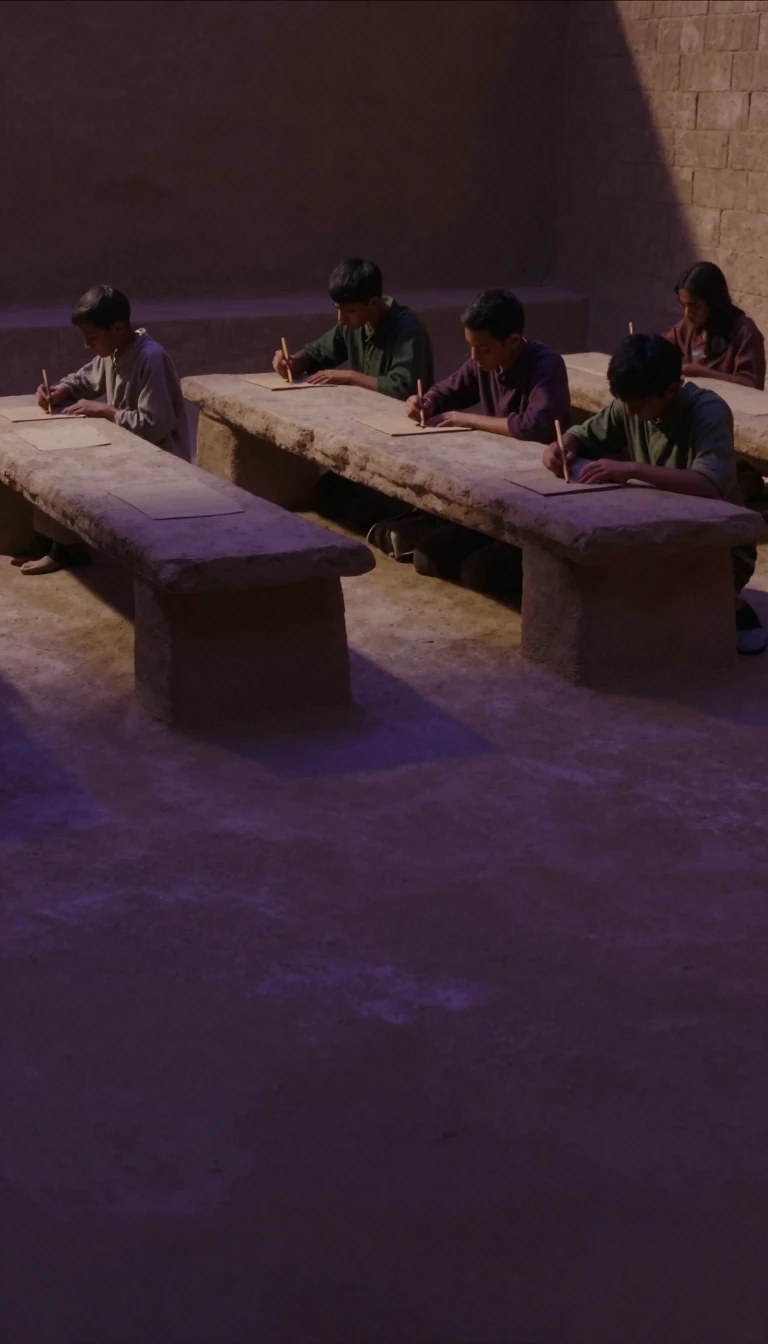
In short: Founded in 1885, this Pennsylvania liberal arts college is steeped in academic tradition and peculiar rituals. From singing in Ancient Greek to leaving gifts for an Athena statue, the campus culture blends rigorous intellectual pursuit with deep-seated superstitions, all set within a landscape of stunning Collegiate Gothic architecture.
Established as a Quaker institution in 1885, Bryn Mawr College quickly distinguished itself by becoming a pioneer in providing graduate-level education to women. While it began with a religious affiliation, it transitioned to a non-denominational status by 1893. Today, it remains a prominent member of the Seven Sisters, maintaining a focus on undergraduate women while opening its graduate programs to all genders since 1931.
The campus is renowned for its architectural heritage, featuring buildings designed by noted figures like Calvert Vaux and Frederick Law Olmsted. The Collegiate Gothic residence halls, modeled after Cambridge University, reflect the college's commitment to academic atmosphere. The campus also serves as an arboretum, and its facilities have evolved over time, such as the 1997 opening of the Rhys Carpenter Art and Archaeology Library, which houses significant collections in classics and art history.
Bryn Mawr is perhaps best known for its unique student traditions, which are managed by elected student leaders. These include the passing of lanterns to first-year students and the May Day celebration, which features a feminist alternative to the traditional Maypole. Students also engage in long-standing superstitions, such as avoiding the splitting of the Friendship Poles or seeking favor from a statue of Athena, whose original home was the Great Hall of the Old Library.
The college's legacy is also marked by its notable alumnae and faculty, including figures like Katharine Hepburn, Marianne Moore, and Nobel laureate Emily Greene Balch. While the institution celebrates its history, it also confronts it; in 2018, the college renamed the Old Library to address the controversial legacy of M. Carey Thomas, the college's second president, whose views on race and eugenics were fundamentally at odds with the school's modern commitment to equity and inclusion.
Opens the Intellect+ feed with this card first. Swipe up for the next one.
Sources
- Summary by Intellect · source: Bryn Mawr College
- Also: Bryn Mawr College | Liberal Arts, Women’s Education, Quaker | Britannica
To cite this card, link to https://intellectplus.co.uk/app/art-bryn-mawr-college.
How we source, check and correct cards: Editorial standards.
General information, not professional advice. Spotted an error? Flag the card or see corrections and complaints.
Intellect Plus is a visual educational discovery platform for exploring fascinating facts and ideas. Brain Food, Not Brain Rot. What is Intellect Plus?
Related
More in Visual artists · More in Art · Latest · A–Z · All topics
