How a failed sheep ranch became the Media Capital of the World
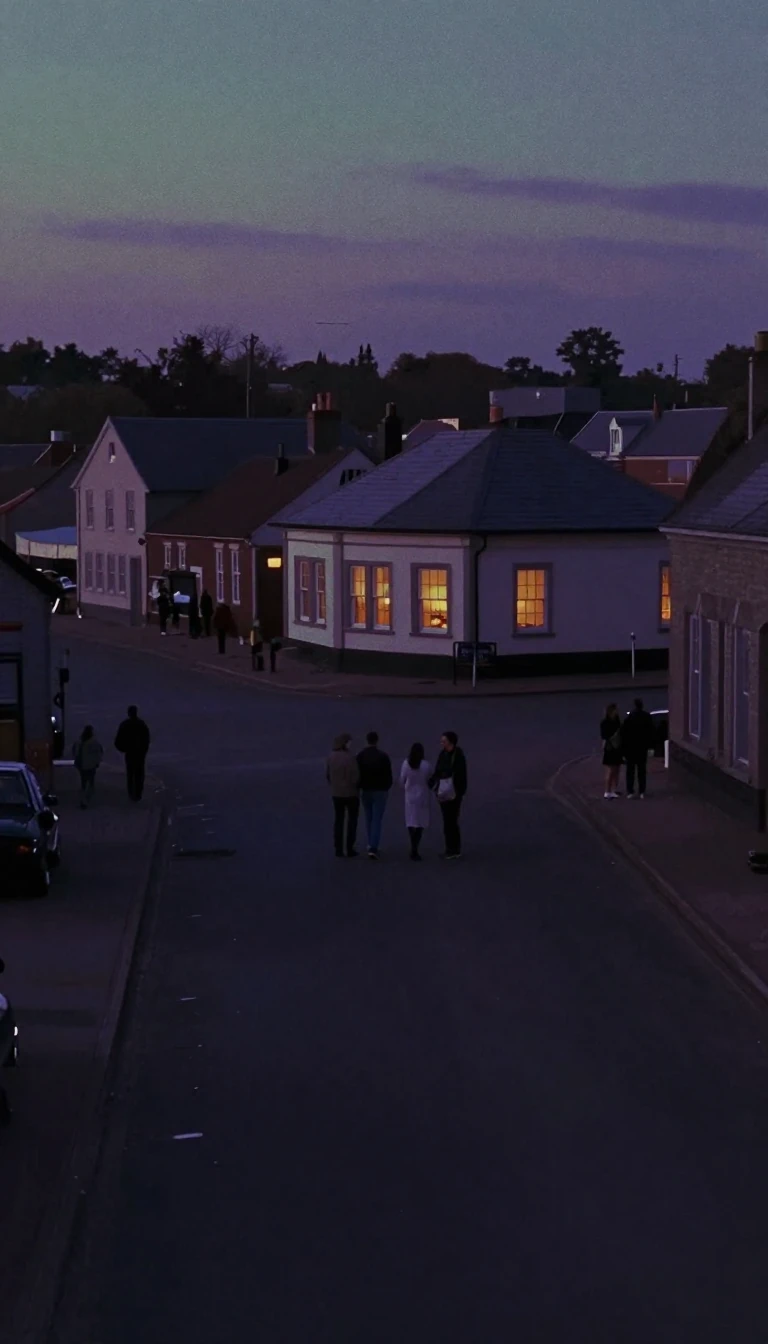
In short: Burbank was founded on a sheep ranch, nearly collapsed during a land bust, and once tried to launch a propeller-driven monorail. Today, it stands as the Media Capital of the World, housing industry giants like Disney and Warner Bros. while maintaining a history marked by both innovation and exclusion.
The city of Burbank owes its name to David Burbank, a dentist who arrived in the San Fernando Valley in 1867 to purchase over 9,200 acres of land. Initially focused on sheep ranching and wheat farming, the area faced severe droughts that eventually forced a pivot toward real estate speculation. By 1887, a group of investors formed the Providencia Land, Water, and Development Company to plat the town, though a speculative bubble burst in 1889, leaving many residents destitute.
Burbank’s path to becoming an industrial hub was paved by the Southern Pacific Railroad, which arrived in 1876. The city’s identity shifted from agriculture to manufacturing and entertainment throughout the early 20th century. By 1930, major firms like Lockheed and First National Studios had established facilities in the city. This industrial growth was bolstered by the city’s decision to remain independent from Los Angeles, allowing it to control its own water and power resources, including electricity from the Hoover Dam by 1937.
Despite its rapid modernization, Burbank’s history includes darker chapters. During the 1930s, the city adopted ordinances that functioned as a 'sundown town,' explicitly excluding African Americans from living within city limits after dark. This era of segregation stood in contrast to the city's self-image of progress. Today, the city’s seal reflects its evolution: a strip of film and a stage light honor its status as a global entertainment powerhouse, while an airplane acknowledges its deep roots in the aerospace industry.
The city’s cultural footprint has been captured by artists and photographers, from Robert Frank’s 1950s documentation of television studios to Christopher Williams’ 2003 study of industrial machinery found in local plants. These works highlight how Burbank has served as a backdrop for the mechanical and creative forces that defined 20th-century American life, transforming from a simple ranching outpost into a complex, influential urban center.
Opens the Intellect+ feed with this card first. Swipe up for the next one.
Sources
- Summary by Intellect · source: Burbank, California
- Also: Art Institute of Chicago — Television Studio, Burbank, California · CC0 (data); description CC BY 4.0
To cite this card, link to https://intellectplus.co.uk/app/art-burbank-california.
How we source, check and correct cards: Editorial standards.
General information, not professional advice. Spotted an error? Flag the card or see corrections and complaints.
Intellect Plus is a visual educational discovery platform for exploring fascinating facts and ideas. Brain Food, Not Brain Rot. What is Intellect Plus?
Related
More in Directors, producers and screenwriters · More in Art · Latest · A–Z · All topics
