How a 1937 Shakespeare production became a visceral anti-fascist weapon
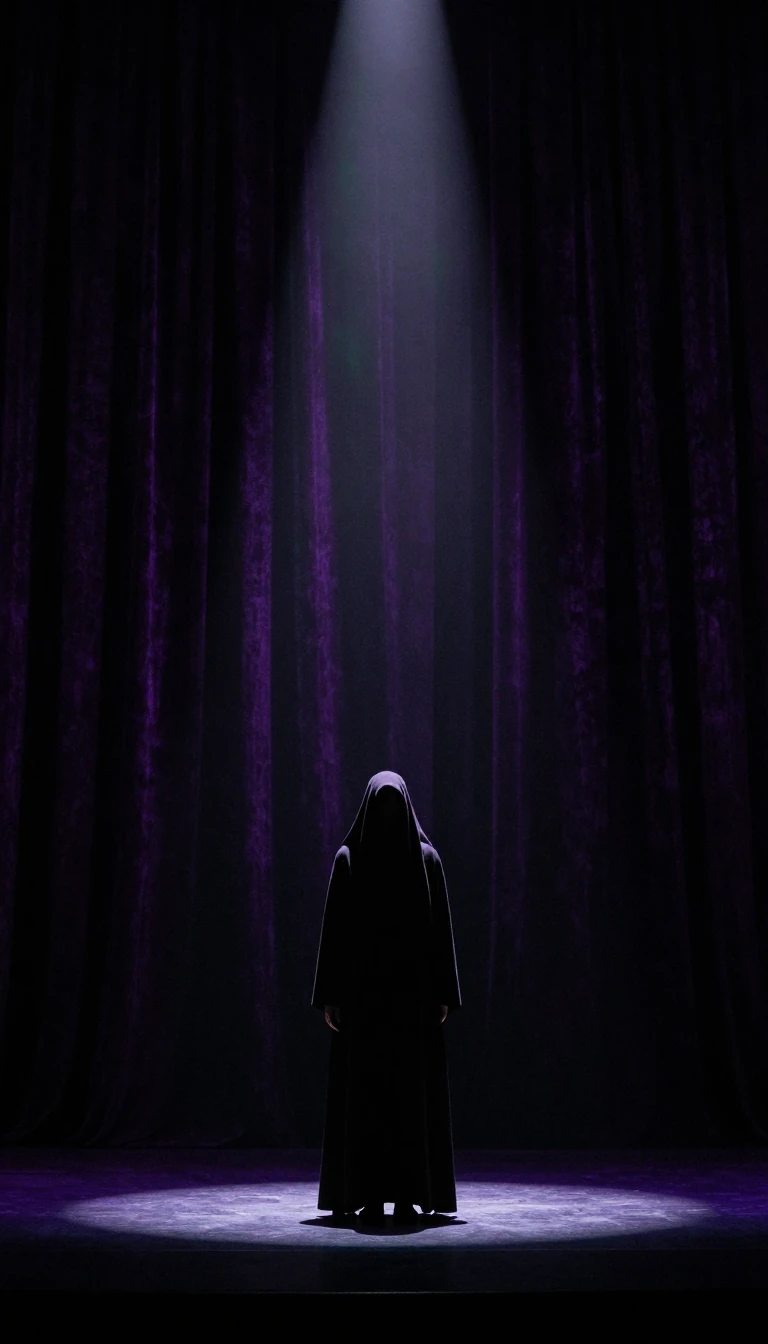
In short: Orson Welles didn't just stage Julius Caesar; he weaponized it. By stripping away the traditional scenery and using lighting to evoke the chilling atmosphere of Nazi rallies, he transformed a classic tragedy into a searing, contemporary critique of 1930s authoritarianism. It was a theatrical revolution that set Broadway on its ear.
In 1937, Orson Welles and John Houseman broke away from the Federal Theatre Project to form the Mercury Theatre. Their debut production, Caesar, was a radical departure from traditional staging. Welles opted for a 'bare-stage' design with no curtain and dark red brick walls. Instead of physical scenery, he used a series of risers and lights set beneath squares to create a 'cathedral of light,' a direct visual reference to the Nuremberg Rallies in Nazi Germany.
The production was designed as an anti-fascist tour de force. Welles streamlined Shakespeare's text to feel like a 'political melodrama that happened the night before.' A pivotal scene featured the death of Cinna the Poet at the hands of a secret police force rather than a mob—a moment so gripping that audiences famously stopped the show with spontaneous applause. The production was a critical sensation, with reviewers calling it 'the most exhilarating play in New York' and a 'touch of genius.'
Despite its artistic triumph, the production was fraught with real-world drama. During a 1938 performance at the National Theatre, actor Joseph Holland was accidentally stabbed by Welles with a real dagger during the assassination scene, requiring hospitalization. Additionally, a fire-sprinkler accident during a funeral oration delayed the show by 15 minutes. While the Mercury Theatre eventually struggled financially—failing to turn a profit on a massive national tour—the production remains a landmark of 20th-century theatre, capturing the urgent political anxieties of its era.
The legacy of the production continues to be studied for its technical innovation. In 2008, filmmaker Richard Linklater recreated the original set and lighting plots for the film 'Me and Orson Welles,' achieving a level of verisimilitude that allowed scholars to experience the 1937 production's atmosphere with modern clarity.
Opens the Intellect+ feed with this card first. Swipe up for the next one.
Sources
- Summary by Intellect · source: Caesar (Mercury Theatre)
To cite this card, link to https://intellectplus.co.uk/app/art-caesar-mercury-theatre.
How we source, check and correct cards: Editorial standards.
General information, not professional advice. Spotted an error? Flag the card or see corrections and complaints.
Intellect Plus is a visual educational discovery platform for exploring fascinating facts and ideas. Brain Food, Not Brain Rot. What is Intellect Plus?
Related
More in Shakespeare · More in Art · Latest · A–Z · All topics
