Orson Welles considered this Kafka adaptation his finest achievement despite its chaotic production history.
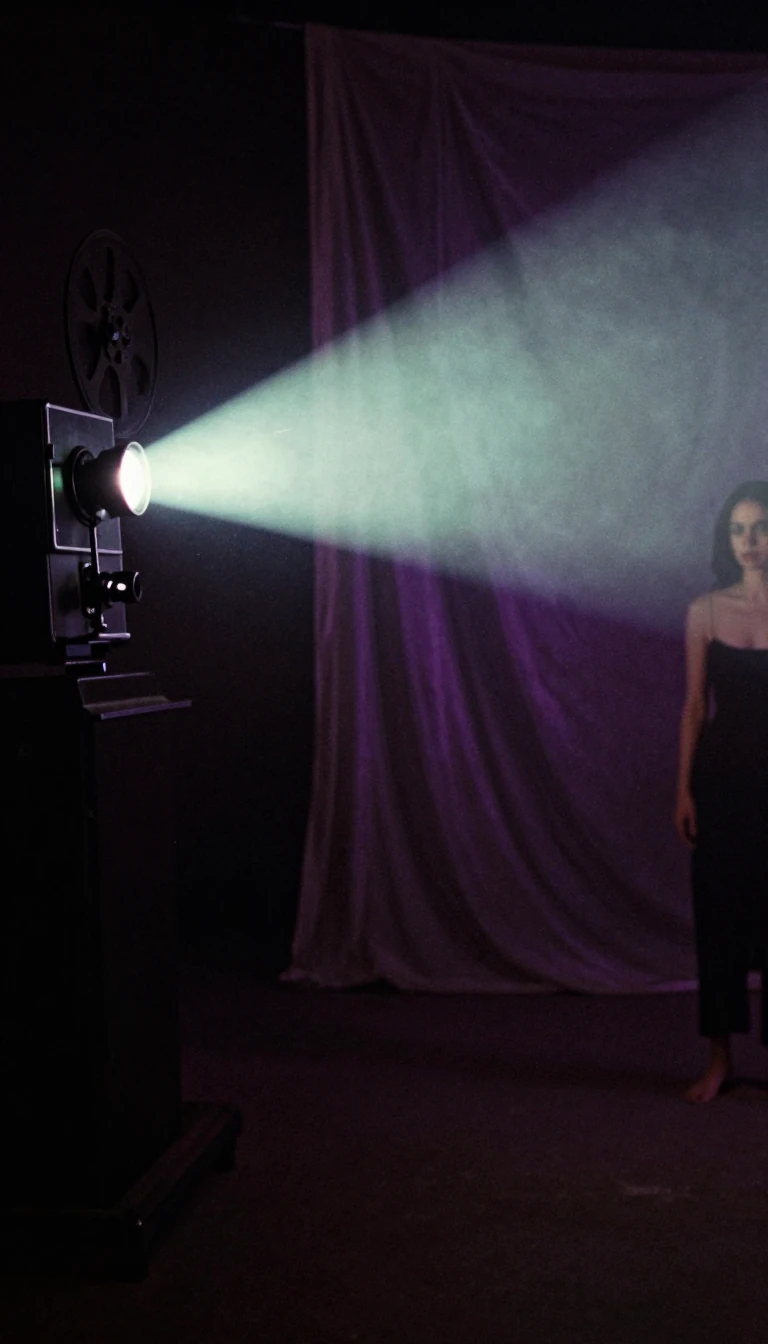
In short: Orson Welles viewed his 1962 adaptation of Franz Kafka's The Trial as his greatest cinematic work. Filmed across Europe under extreme financial constraints and improvised conditions, the project transformed from a standard literary adaptation into a disorienting, visually inventive masterpiece that continues to challenge audiences and critics decades later.
The production of The Trial was defined by improvisation. After producer Alexander Salkind secured funding, Welles faced immediate obstacles, including the realization that the source material was not in the public domain and the inability to film in Prague due to political tensions. When funding issues stalled work at Paris's Boulogne Studios, Welles famously utilized the abandoned Gare d'Orsay railway station as his primary set. He later defended the film's massive, cavernous aesthetic as a direct consequence of working within the limitations of that derelict space.
Welles took significant creative liberties with Kafka's narrative, rearranging chapters and modernizing the setting with computer technology. He also infused the film with a specific, unsettling subtext regarding the protagonist's sexuality. Anthony Perkins, who played the bureaucrat Josef K., was directed to portray the character as repressed and fearful of exposure, a choice Welles intentionally used to contrast against the women surrounding him. This interpretation, combined with the film's unconventional camera angles and lighting, created a dreamlike, nightmarish atmosphere that polarized initial audiences.
The film's release was as turbulent as its creation. It missed its planned 1962 Venice Film Festival premiere and was ultimately met with mixed reviews, with some critics dismissing it as a lifeless relic. However, its reputation has shifted dramatically over time. Modern scholars and critics, including David Thomson and Roger Ebert, have lauded the film as a stunning, exuberant achievement. Today, it remains a subject of fascination, not only for its artistic merit but for its unique status as a public domain title in the United States, leading to various restorations, including a 4K version released in 2023.
Opens the Intellect+ feed with this card first. Swipe up for the next one.
Sources
- Summary by Intellect · source: The Trial (1962 film)
To cite this card, link to https://intellectplus.co.uk/app/entertainment-the-trial-1962-film.
How we source, check and correct cards: Editorial standards.
General information, not professional advice. Spotted an error? Flag the card or see corrections and complaints.
Intellect Plus is a visual educational discovery platform for exploring fascinating facts and ideas. Brain Food, Not Brain Rot. What is Intellect Plus?
Related
More in Films · More in Entertainment · Latest · A–Z · All topics
