The structural secrets of stained glass: why lead isn't always the best choice
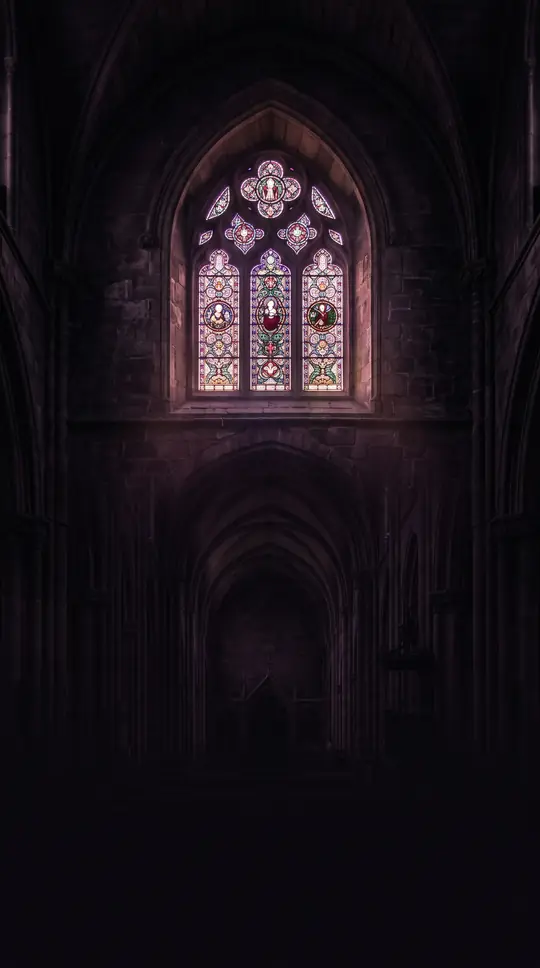
In short: Stained glass is more than just colored light; it is a feat of engineering. While lead is the traditional standard, its inherent softness creates a structural paradox. Choosing the right metal—from zinc to copper—determines whether a window remains a masterpiece or sags into a structural failure.
Came glasswork is the art of joining cut glass pieces using metal strips called cames, which are soldered together to form a framework. While lead is the most traditional material, it is notably soft and flexible. This makes it easy to cut and bend but prone to sagging over time. To combat this, artisans may stretch the lead to increase rigidity or use reinforced metal-covered lead and steel strips for larger, outdoor-exposed works.
Modern and architectural projects often favor zinc for its strength and rigidity. Zinc is particularly effective for large windows or those with many straight lines, as it can support the weight of heavy plate glass better than lead. This is why beveled glasswork is generally done in zinc; lead cames are much more likely to buckle under such weight. Additionally, zinc is often used for border cames because it accepts various finishes, including black and copper.
The history of these materials reflects shifting industrial needs. During war years, lead was diverted for ammunition, changing the composition of glass cames. In the 1970s, 'restoration lead' was developed to mimic the stronger metal composition of medieval lead, which was sturdier than the 19th and 20th-century varieties. For smaller, intricate designs, copper foil—patented by Sanford Bray in 1886—allows for complex shapes like cones and globes that traditional lead sashes cannot achieve.
Architectural giants like Frank Lloyd Wright frequently navigated these material choices. While he used zinc for many of his stained glass windows, brass and copper were also employed between 1890 and 1920 to provide golden or copper hues. Today, the choice of metal remains a balance between the aesthetic of the patina, the weight of the glass, and the structural demands of the environment.
Opens the Intellect+ feed with this card first. Swipe up for the next one.
Sources
- Summary by Intellect · source: Came glasswork
To cite this card, link to https://intellectplus.co.uk/app/art-came-glasswork.
How we source, check and correct cards: Editorial standards.
General information, not professional advice. Spotted an error? Flag the card or see corrections and complaints.
Intellect Plus is a visual educational discovery platform for exploring fascinating facts and ideas. Brain Food, Not Brain Rot. What is Intellect Plus?
Related
More in Mosaics & stained glass · More in Art · Latest · A–Z · All topics
