Why the modern laboratory relies on the ancient art of glassmaking
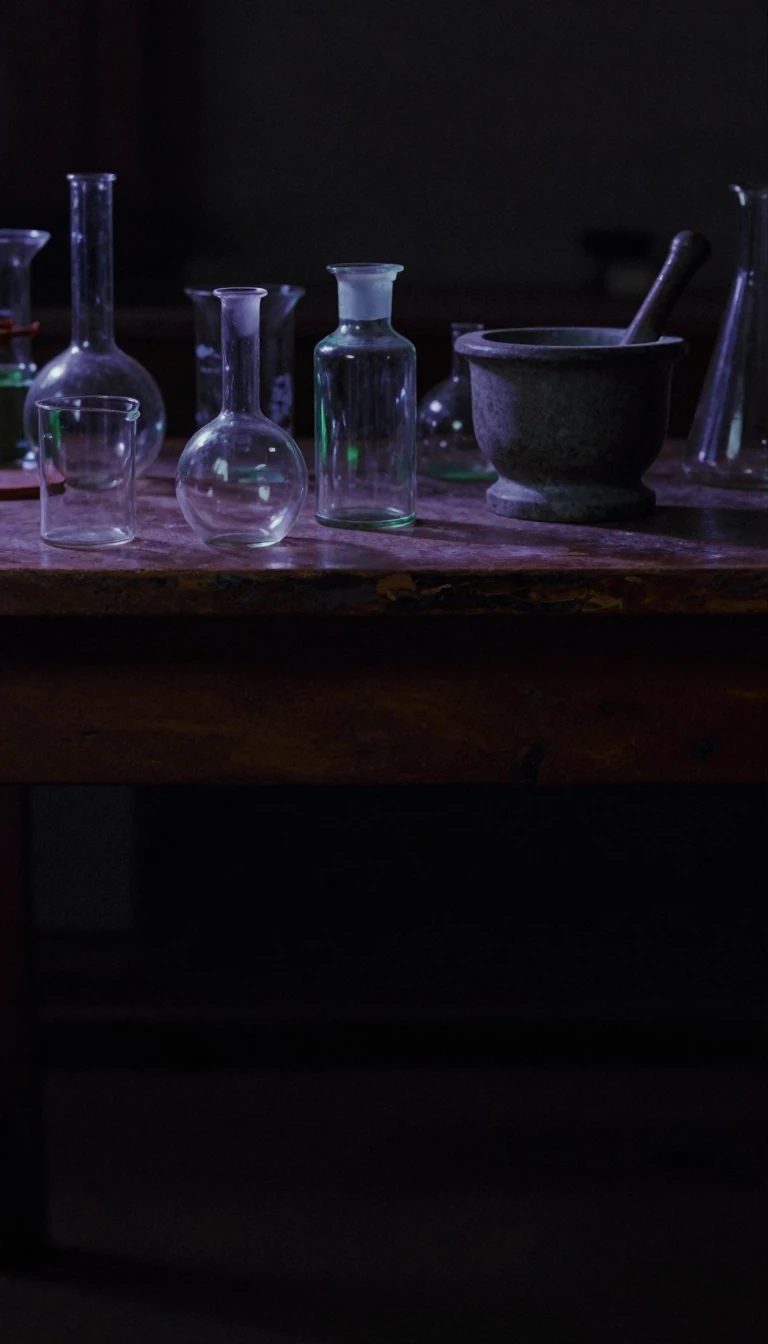
In short: Laboratory glassware is more than just beakers and test tubes. It is a sophisticated toolset born from centuries of refinement, from Venetian glassmaking secrets to the invention of thermal-shock-resistant borosilicate. Today, this precision equipment allows scientists to control fluid flow, measure with metrological accuracy, and conduct experiments safely.
The transition of glass from an artistic medium to a scientific necessity was a slow evolution. While early alchemists like Mary the Jewess in the 1st century AD created specialized apparatus, most chemical work relied on copper or ceramic due to glass's poor thermal stability. It was not until the 14th to 16th centuries that Venetian glassmakers, utilizing high-quality imported plant ash, produced glass with the durability required for laboratory use. By the 19th century, figures like Jöns Jacob Berzelius and Michael Faraday championed glass for its transparency and experimental control, formalizing techniques for chemical glassblowing.
The modern era of glassware began in the late 19th century with Otto Schott's development of borosilicate glass. This material, characterized by a low coefficient of thermal expansion, became the gold standard for resisting thermal shock. When World War I disrupted the supply of German-made glass to the United States, Corning Glassworks introduced its own version in 1915 under the name Pyrex. This innovation spurred further research, leading to the high degree of modularity and standardization seen today, particularly with the development of compatible ground glass joints around 1930.
Today, laboratory glassware is selected based on the specific needs of an analysis, ranging from mass-produced items to custom pieces created by scientific glassblowers. Beyond standard containers like beakers and flasks, specialized glass types serve unique functions: quartz glass handles extreme temperatures, actinic glass blocks radiation, and silanized glass prevents organic samples from adhering to surfaces. For high-precision work, metrological grade glassware is calibrated against NIST standards, ensuring that measurements remain reliable. Maintaining this precision requires rigorous cleaning, often involving solvents, acids, or specialized dishwashers to remove contaminants that could interfere with sensitive experiments.
Opens the Intellect+ feed with this card first. Swipe up for the next one.
Sources
- Summary by Intellect · source: Laboratory glassware
To cite this card, link to https://intellectplus.co.uk/app/science-laboratory-glassware.
How we source, check and correct cards: Editorial standards.
General information, not professional advice. Spotted an error? Flag the card or see corrections and complaints.
Intellect Plus is a visual educational discovery platform for exploring fascinating facts and ideas. Brain Food, Not Brain Rot. What is Intellect Plus?
Related
More in Research methods · More in Science · Latest · A–Z · All topics
