The world's oldest public museum began as a papal donation of ancient bronze statues.
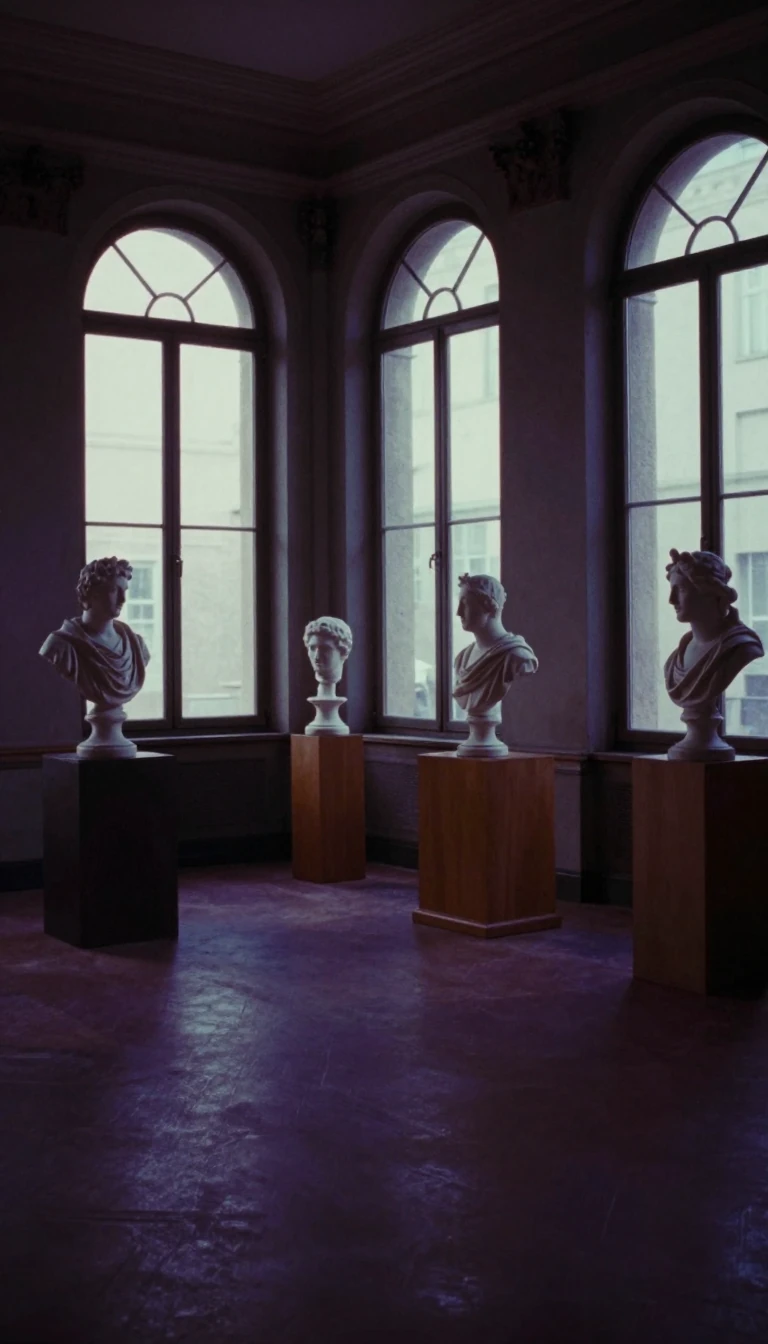
In short: Perched on Rome's Capitoline Hill, these museums trace their roots to 1471, when Pope Sixtus IV gifted a collection of bronzes to the Roman people. By 1734, Pope Clement XII opened the doors to all citizens, establishing a revolutionary precedent for public access to art that continues to define the institution today.
The Capitoline Museums occupy a site steeped in history, centered on the Piazza del Campidoglio, which Michelangelo redesigned starting in 1536. The complex is anchored by the Palazzo dei Conservatori and the Palazzo Nuovo, buildings that house an extraordinary array of Roman sculpture, Renaissance paintings, and archaeological artifacts. The collection’s foundation, the 1471 donation by Sixtus IV, was framed not merely as a gift but as a restitution of the thesaurus Romanitatis—the heritage of the ancient world that the Church had preserved through the Middle Ages.
The museums' growth reflects the shifting political landscape of Rome. In 1566, Pius V transferred dozens of statues from the Vatican, deeming pagan idols unsuitable for the papal residence. By the 18th century, the institution expanded through the acquisition of the Albani collection, though it later faced challenges during the Napoleonic era, when famous pieces like the Dying Gaul were seized and sent to the Louvre. Many of these works were eventually returned following the 1815 Congress of Vienna, cementing the museum's status as a repository of Roman identity.
Today, the museums serve as more than a static gallery. They are a site of modern political history, having hosted the 1957 signing of the Treaties of Rome, which laid the groundwork for the European Union. Recent efforts, such as the 2024 installation of a full-scale digital reconstruction of the Colossus of Constantine, demonstrate a commitment to blending classical archaeology with modern preservation technology. From the ancient Capitoline Wolf to the Pinacoteca’s masterpieces by Caravaggio and Rubens, the complex remains a vital bridge between Rome’s imperial past and its contemporary civic life.
Opens the Intellect+ feed with this card first. Swipe up for the next one.
Sources
- Summary by Intellect · source: Capitoline Museums
To cite this card, link to https://intellectplus.co.uk/app/art-capitoline-museums.
How we source, check and correct cards: Editorial standards.
General information, not professional advice. Spotted an error? Flag the card or see corrections and complaints.
Intellect Plus is a visual educational discovery platform for exploring fascinating facts and ideas. Brain Food, Not Brain Rot. What is Intellect Plus?
Related
More in Cultural venues · More in Art · Latest · A–Z · All topics
