How Carol Reed defined the visual language of postwar cinematic tension and moral ambiguity.
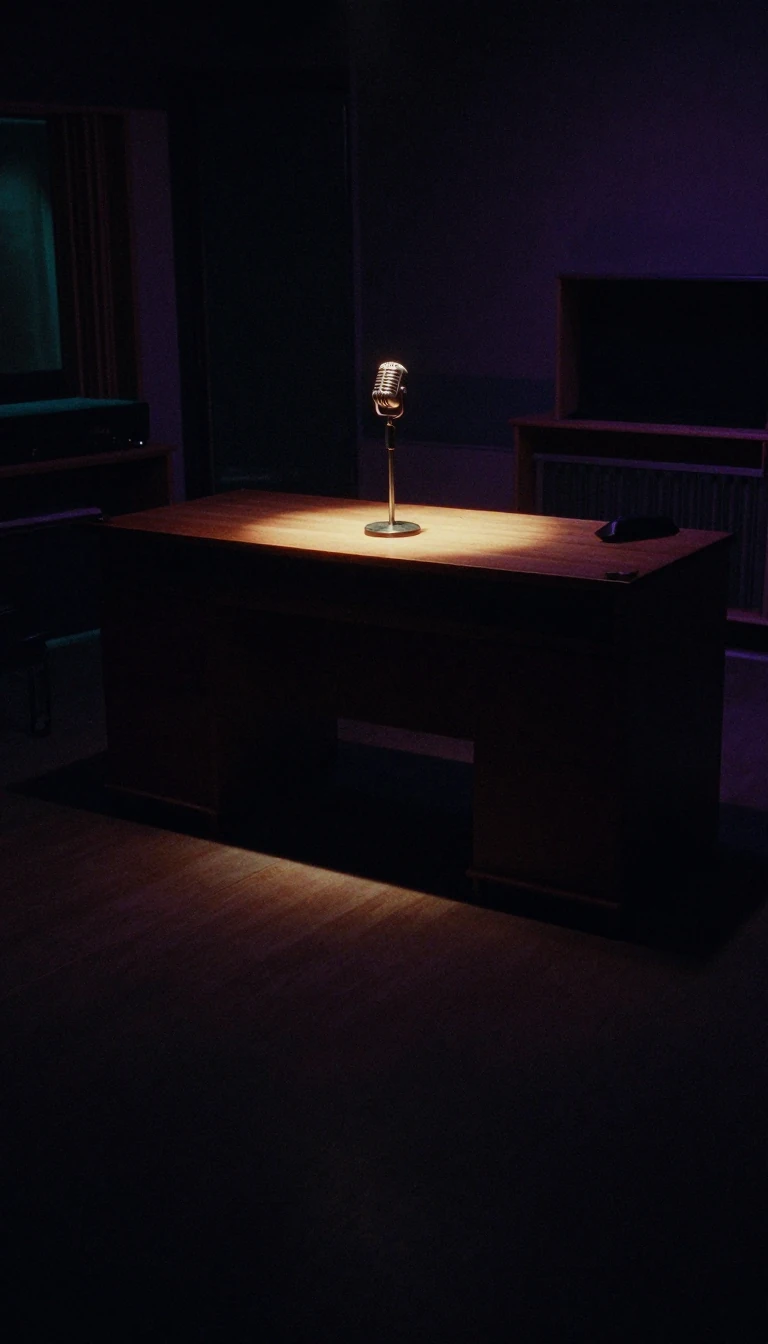
In short: Carol Reed was a master of suspense who shaped the moody, high-contrast aesthetic of the late 1940s. While he is celebrated for his technical precision, his true genius lay in his ability to capture the profound disillusionment of a world struggling to find its footing after the Second World War.
Carol Reed, the first British director to receive a knighthood, became a defining figure of the post-World War II era. His work in the late 1940s, particularly with films such as the 1947 thriller Odd Man Out, the 1948 drama The Fallen Idol, and the 1949 classic The Third Man, cemented his reputation as a master of the suspense genre. Critics of the period often hailed him as one of the world's greatest filmmakers, noting his exceptional ability to handle actors and create a distinct cinematic atmosphere.
Reed’s directorial style flourished during a time when the film noir aesthetic was gaining international prominence. This style, characterized by stark, high-contrast lighting and a sense of existential dread, mirrored the collective uncertainty of the postwar years. While some scholars debate whether noir is a formal genre or merely a collection of stylistic motifs, Reed’s films utilized these visual elements to explore complex, often cynical human experiences. His collaboration with novelist Graham Greene was particularly fruitful, resulting in narratives that favored realistic, sometimes bleak, endings over conventional resolutions.
Beyond his noir-inspired thrillers, Reed’s career was remarkably diverse, spanning from early quota quickies to the 1968 musical Oliver!, which earned him an Academy Award for Best Director. His process was deeply collaborative; for instance, he famously discovered the zither player Anton Karas in a Viennese courtyard while filming The Third Man. Throughout his career, Reed remained dedicated to the craft of storytelling, often insisting on narrative choices that emphasized the harsh realities of life, reflecting his belief that stories rarely conclude in a tidy or satisfying manner.
Opens the Intellect+ feed with this card first. Swipe up for the next one.
Sources
- Summary by Intellect · source: Carol Reed | Biography, Movies, & Facts | Britannica
- Also: Carol Reed
To cite this card, link to https://intellectplus.co.uk/app/art-carol-reed.
How we source, check and correct cards: Editorial standards.
General information, not professional advice. Spotted an error? Flag the card or see corrections and complaints.
Intellect Plus is a visual educational discovery platform for exploring fascinating facts and ideas. Brain Food, Not Brain Rot. What is Intellect Plus?
Related
More in Visual artists · More in Art · Latest · A–Z · All topics
