Why this English village is a magnet for film crews and tourists alike
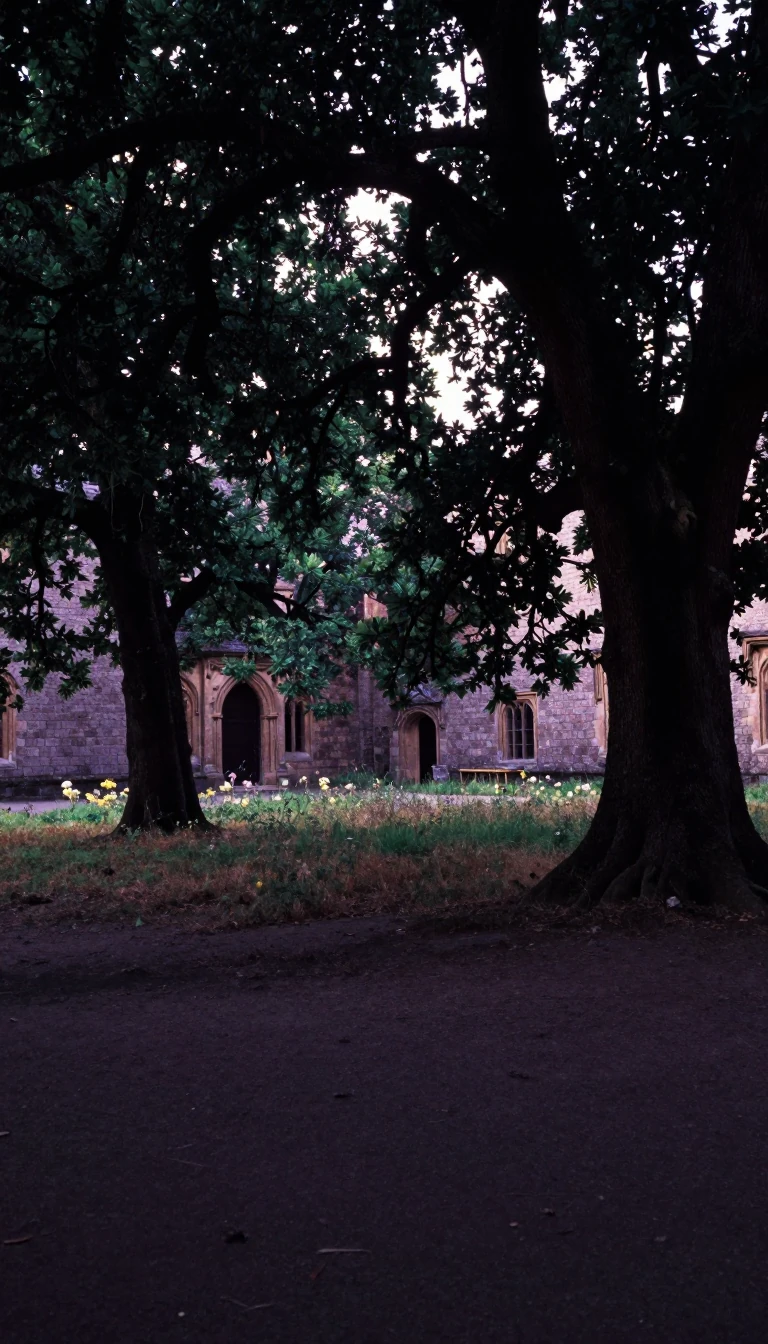
In short: Castle Combe is often called the prettiest village in England, a place where time seems to have stopped around 1600. With its historic stone cottages and lack of modern architecture, this Wiltshire settlement has become a favorite backdrop for major film productions, from classic musicals to modern spy thrillers.
The village of Castle Combe, located in the Cotswolds, is a site of deep historical layers. While its name originates from a 12th-century castle built during the Anarchy, the area shows even older signs of life, including a Roman villa with a 4th-century bath house and Neolithic flint tools. By the 15th century, the village had transformed into a prosperous wool hub under the influence of Sir John Fastolf, who supplied troops for Henry V’s war in France. This industrial success left a lasting mark on the landscape, evidenced by the 14th-century market cross and the remnants of various mills.
The village’s aesthetic preservation is remarkable; no new houses have been built in its historic center for over four centuries. This frozen-in-time quality has made it a premier filming location. Productions ranging from the 1967 musical Doctor Dolittle to Steven Spielberg’s War Horse and the Apple TV+ series Slow Horses have utilized its unique atmosphere. This popularity has occasionally caused friction with residents, most notably during the filming of Doctor Dolittle, which faced sabotage attempts from locals and even a future explorer, Sir Ranulph Fiennes.
Today, the village is a protected enclave with 107 listed buildings, including the Grade I listed St Andrew’s Church. The estate, once owned by the Scrope family for over five centuries, has seen many transitions, including the conversion of the 17th-century Manor House into a hotel and the repurposing of a World War II airfield into a motor racing circuit. Despite the loss of its original castle and the decline of its cloth industry in the 1700s, Castle Combe remains a living monument to English history.
Opens the Intellect+ feed with this card first. Swipe up for the next one.
Sources
- Summary by Intellect · source: Castle Combe
To cite this card, link to https://intellectplus.co.uk/app/art-castle-combe.
How we source, check and correct cards: Editorial standards.
General information, not professional advice. Spotted an error? Flag the card or see corrections and complaints.
Intellect Plus is a visual educational discovery platform for exploring fascinating facts and ideas. Brain Food, Not Brain Rot. What is Intellect Plus?
Related
More in Visual artists · More in Art · Latest · A–Z · All topics
