How a 19th-century photographic craze became the world's first social media
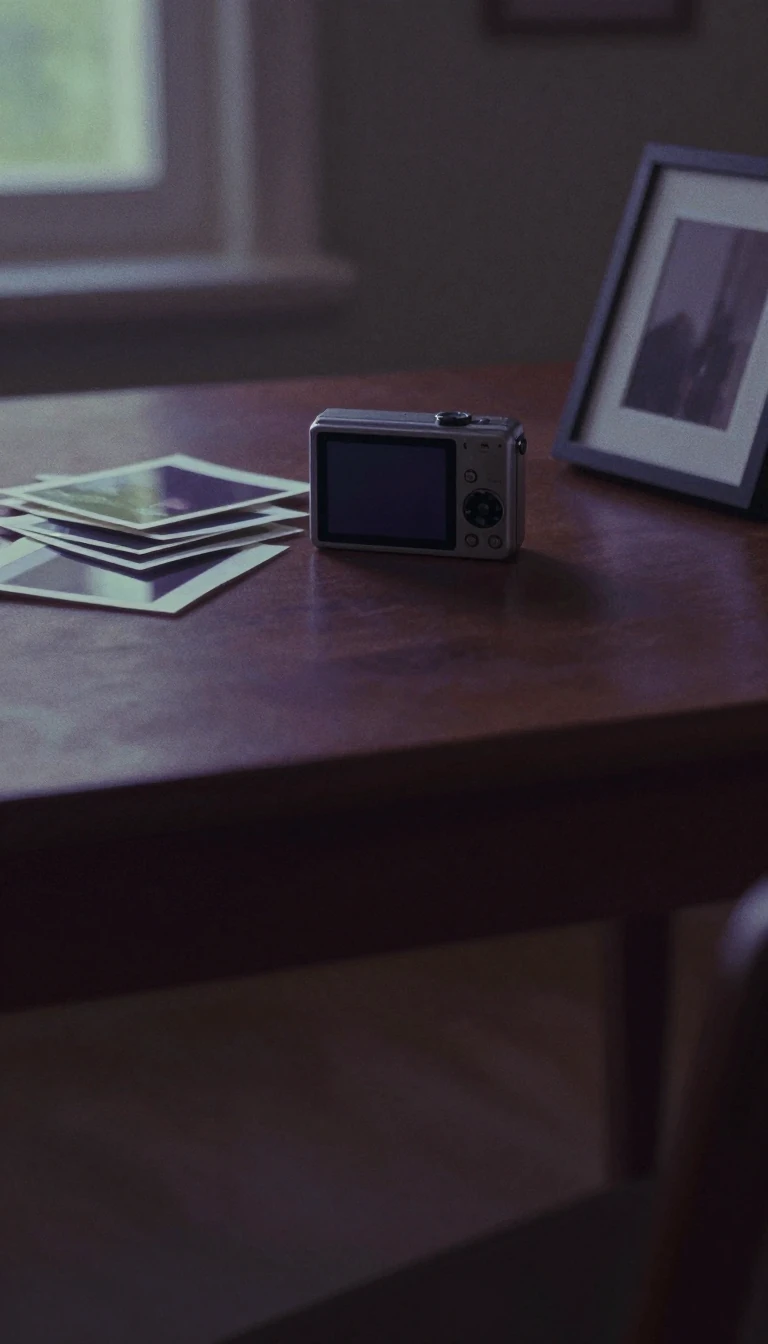
In short: In the 1860s, a new way of capturing portraits triggered a global phenomenon known as 'cardomania.' These small, affordable images were traded like modern digital feeds, allowing everyone from emperors to abolitionists to circulate their likenesses and build public influence.
The carte de visite (CdV) revolutionized photography by moving beyond the expensive, single-copy daguerreotype. While the daguerreotype required a unique plate for every portrait, the CdV utilized a wet collodion negative. This allowed photographers to produce multiple prints from a single exposure, enabling production on an industrial scale. This technical shift, pioneered by figures like André Adolphe Eugène Disdéri—who patented a version in Paris in 1854—drastically lowered costs. For instance, Disdéri could offer twelve photographs for 20 francs, a significant drop from the 50 to 100 francs previously required for a single print.
The format's success relied on specialized hardware. Disdéri’s original 1854 patent featured a camera capable of taking up to ten images on a single plate. By 1860, optician Hyacinthe Hermagis had refined this with a four-lens camera that became the industry standard. These small albumen prints, roughly 4.5 x 2.5 inches, were mounted on thicker cardstock and often featured studio logos on the reverse for advertising and copyright protection.
Beyond mere vanity, the CdV served powerful political and social functions. In Spain, the monarchy used the format as a propaganda tool, distributing thousands of portraits of Isabella II. In the United States, the activist Sojourner Truth used the medium with remarkable shrewdness; she sold her own CdV portraits to fund her abolitionist and suffrage campaigns, even taking the unprecedented step of copyrighting her own image. From the streets of Madrid to the studios of Hong Kong and Buenos Aires, the 'visiting card' democratized visual memory, allowing the middle classes to participate in a global culture of celebrity and personal identity.
Opens the Intellect+ feed with this card first. Swipe up for the next one.
Sources
- Summary by Intellect · source: Carte de visite
- Also: Art Institute of Chicago — Untitled ("I Sell the Shadow to Support the Substance") · CC0 (data); description CC BY 4.0
To cite this card, link to https://intellectplus.co.uk/app/art-carte-de-visite.
How we source, check and correct cards: Editorial standards.
General information, not professional advice. Spotted an error? Flag the card or see corrections and complaints.
Intellect Plus is a visual educational discovery platform for exploring fascinating facts and ideas. Brain Food, Not Brain Rot. What is Intellect Plus?
Related
More in Photography · More in Art · Latest · A–Z · All topics
