The Cha-Cha-Chá Was Born From a Composer's Frustration With Complex Syncopated Rhythms
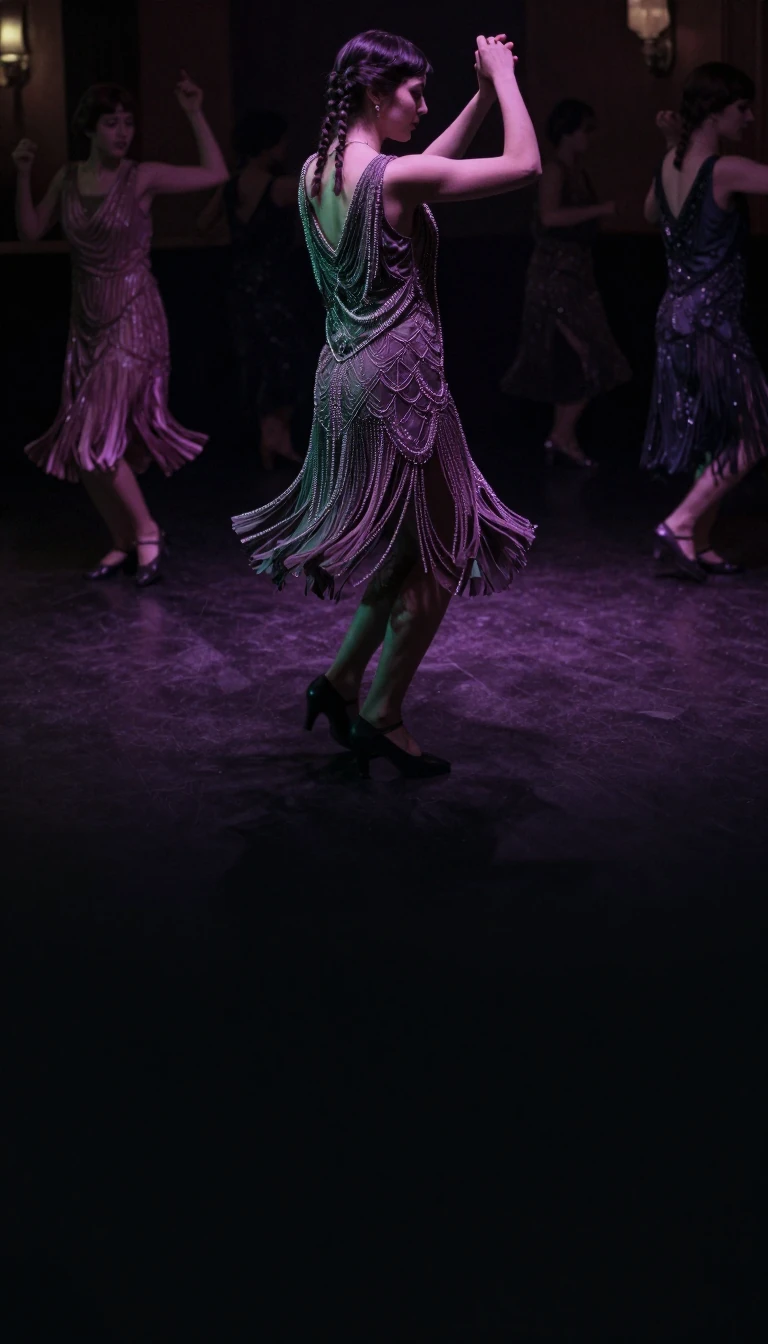
In short: In the early 1950s, Cuban violinist Enrique Jorrín noticed dancers struggling with the syncopated rhythms of the danzón-mambo. By simplifying his compositions to emphasize the first downbeat, he inadvertently sparked a global dance craze. The name itself is an onomatopoeia for the shuffling sound of the dancers' quick steps.
The cha-cha-chá originated in Havana, Cuba, during the early 1950s. Enrique Jorrín, a violinist and composer for the group Orquesta América, sought to make his music more accessible to dance hall crowds who found existing danzón-mambo rhythms difficult to follow. By composing melodies that strongly marked the first downbeat and reducing syncopation, Jorrín created a new sound. When Orquesta América debuted these works at Havana's Silver Star Club, dancers improvised a distinctive triple step, creating the shuffling sound that gave the dance its name.
While the cha-cha-chá became a global phenomenon by 1955, its roots likely extend into older traditions. The basic footwork pattern—one, two, three, cha-cha—mirrors steps found in Afro-Cuban dances from the Santería religion, such as those practiced for the Orisha Ogun. These movements were well-known to many Cubans of African origin long before the 1950s. The dance's rapid ascent began in 1953 with the release of Jorrín's compositions "La Engañadora" and "Silver Star" on the Panart label, which quickly triggered a craze that spread from Havana to Mexico City, the United States, and Western Europe.
Today, the dance exists in various forms, including the international ballroom style and the American Rhythm style. The international style, developed in the 1960s by competitors like Walter Laird, emphasizes compact steps and specific hip actions, with the World Dance Council requiring a tempo of 30 bars per minute for competitions. A common "street version" error involves shifting the timing by a full beat, a mistake that highlights the importance of the dance's precise rhythmical structure. Whether performed socially or in competition, the cha-cha-chá remains a testament to the synthesis of local Afro-Cuban traditions and the creative innovations of mid-century Cuban composers.
Opens the Intellect+ feed with this card first. Swipe up for the next one.
Sources
- Summary by Intellect · source: Cha-cha-cha (dance)
To cite this card, link to https://intellectplus.co.uk/app/art-cha-cha-cha-dance.
How we source, check and correct cards: Editorial standards.
General information, not professional advice. Spotted an error? Flag the card or see corrections and complaints.
Intellect Plus is a visual educational discovery platform for exploring fascinating facts and ideas. Brain Food, Not Brain Rot. What is Intellect Plus?
Related
More in Performing arts · More in Art · Latest · A–Z · All topics
