The Mambo was once a wild, unscripted Cuban dance before it became a ballroom commodity.
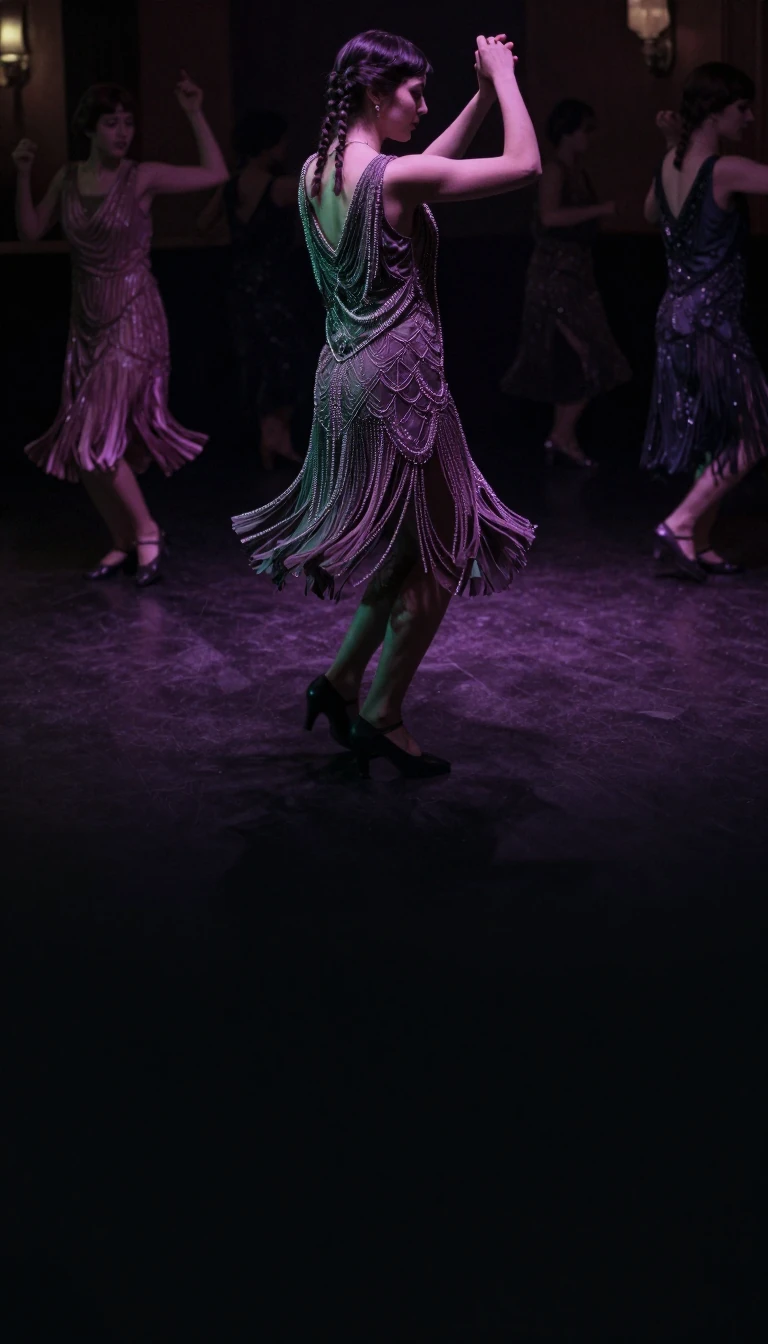
In short: Born in the 1940s as a fusion of son and swing, the original mambo was a radical departure from rigid dance traditions. It prioritized raw, individual expression over structured steps, eventually evolving into a global phenomenon that paved the way for modern salsa while sparking debates over artistic authenticity.
The mambo emerged in Cuba during the 1940s, crafted as a rhythmic marriage between the traditional son and the popular swing music of the era. Unlike the highly structured ballroom dances of the time, the original mambo was defined by its freedom and complex, spontaneous footwork. Cuban dancers often described the experience as simply feeling the music, where the body acted as a direct conduit for sound. This approach was deeply personal, emphasizing a fluid connection between the dancer and the rhythm rather than adherence to a set of predefined movements.
When this style reached the United States, it encountered resistance from professional dance instructors. These teachers viewed the Cuban approach as undisciplined and extreme, lacking the formal structure required for the social and ballroom market. To make the dance a salable commodity, they sought to standardize it, stripping away the improvisational spirit that had defined its origins. This tension between raw, expressive movement and commercial standardization remains a central theme in the history of the dance, mirroring how other artistic traditions, such as the ancient Greek depictions of rhythmic movement on pottery, have been interpreted and categorized over centuries.
By the 1950s, the mambo had gained significant popularity, with musicians like Tito Puente earning the title King of Mambo for his hit tunes. However, the dance landscape was constantly shifting; the cha-cha-chá soon replaced the mambo in popularity, serving as a spin-off from the son with its own distinct rhythmic pattern. While the original mambo of the 1940s and 1950s was a specific cultural product of Cuba and Mexico, it laid the essential groundwork for the development of salsa. Today, the term mambo is often applied to modern variations, such as the New York-based salsa on 2, which incorporates breaking steps that were entirely absent from the original, free-form Cuban version.
Opens the Intellect+ feed with this card first. Swipe up for the next one.
Sources
- Summary by Intellect · source: Mambo | dance | Britannica
- Also: Mambo (dance)
To cite this card, link to https://intellectplus.co.uk/app/art-mambo-dance.
How we source, check and correct cards: Editorial standards.
General information, not professional advice. Spotted an error? Flag the card or see corrections and complaints.
Intellect Plus is a visual educational discovery platform for exploring fascinating facts and ideas. Brain Food, Not Brain Rot. What is Intellect Plus?
Related
More in Performing arts · More in Art · Latest · A–Z · All topics
