Why your favorite novel is sliced into chapters, from ancient scrolls to Fibonacci sequences
In short: Chapters are more than just convenient stopping points for readers. They are structural tools that have evolved from the physical constraints of ancient parchment scrolls into a playground for modern authors. Whether they follow logical sequences or defy convention, these divisions shape how we experience stories and organize complex information.
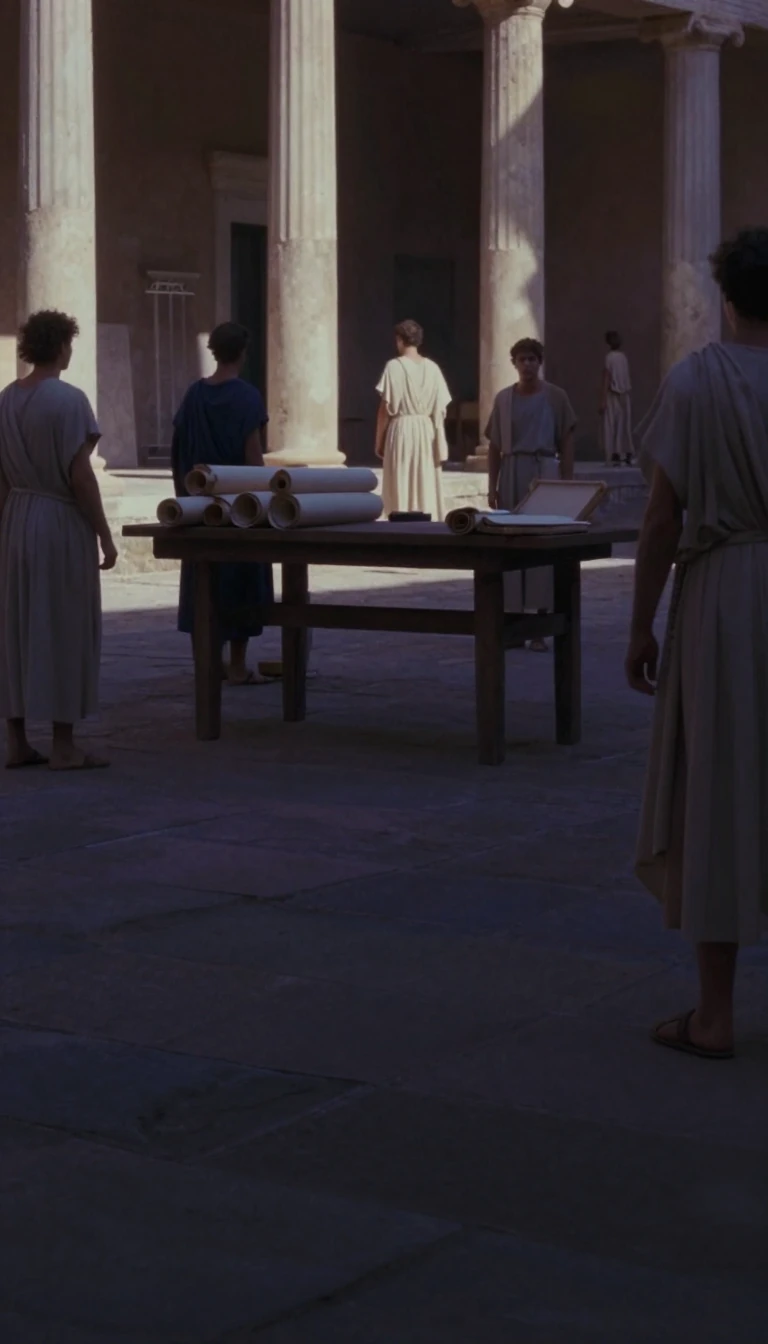
The concept of the chapter emerged as a solution to the limitations of ancient media. Early texts, often written on papyrus or parchment scrolls, were physically restricted in length, typically holding about as much text as a modern chapter. As a result, when these works were later reproduced or translated, these natural segments were labeled as individual books. By the fifth century CE, the practice of formal division had begun to take hold, with figures like Jerome utilizing the term capitulum for numbered headings and index capitulorum for tables of contents. In contrast, other thinkers like Augustine chose not to segment their major works at all.
While non-fiction relies on chapters for navigation and clarity, fiction authors have long used them as a canvas for creative expression. In the Victorian era, long works were frequently released in multi-volume formats, a tradition that persists in modern omnibus editions. Even today, authors often group chapters into larger parts or books to manage narrative pacing, such as the six distinct segments found within The Lord of the Rings. This structural hierarchy allows writers to balance the macro-level arc of a story with the micro-level focus of individual scenes.
In the hands of contemporary novelists, chapter numbering has become a tool for metafictional commentary. Some authors abandon standard counting entirely, opting for mathematical patterns like the Fibonacci sequence in Seiobo There Below or restricting chapters to prime numbers, as seen in the story of a boy investigating a neighborhood mystery. Others play with directionality, numbering chapters in reverse, or create structural anomalies, such as a novel that contains only a single chapter or a series where the final installment is formatted as a standalone book. These choices transform the humble chapter from a mere organizational necessity into a deliberate part of the reader's journey.
Opens the Intellect+ feed with this card first. Swipe up for the next one.
Sources
- Summary by Intellect · source: Chapter (books)
To cite this card, link to https://intellectplus.co.uk/app/art-chapter-books.
How we source, check and correct cards: Editorial standards.
General information, not professional advice. Spotted an error? Flag the card or see corrections and complaints.
Intellect Plus is a visual educational discovery platform for exploring fascinating facts and ideas. Brain Food, Not Brain Rot. What is Intellect Plus?
Related
More in Literature · More in Art · Latest · A–Z · All topics
