A Nobel laureate’s masterpiece was banned for decades for allegorizing the Abrahamic faiths
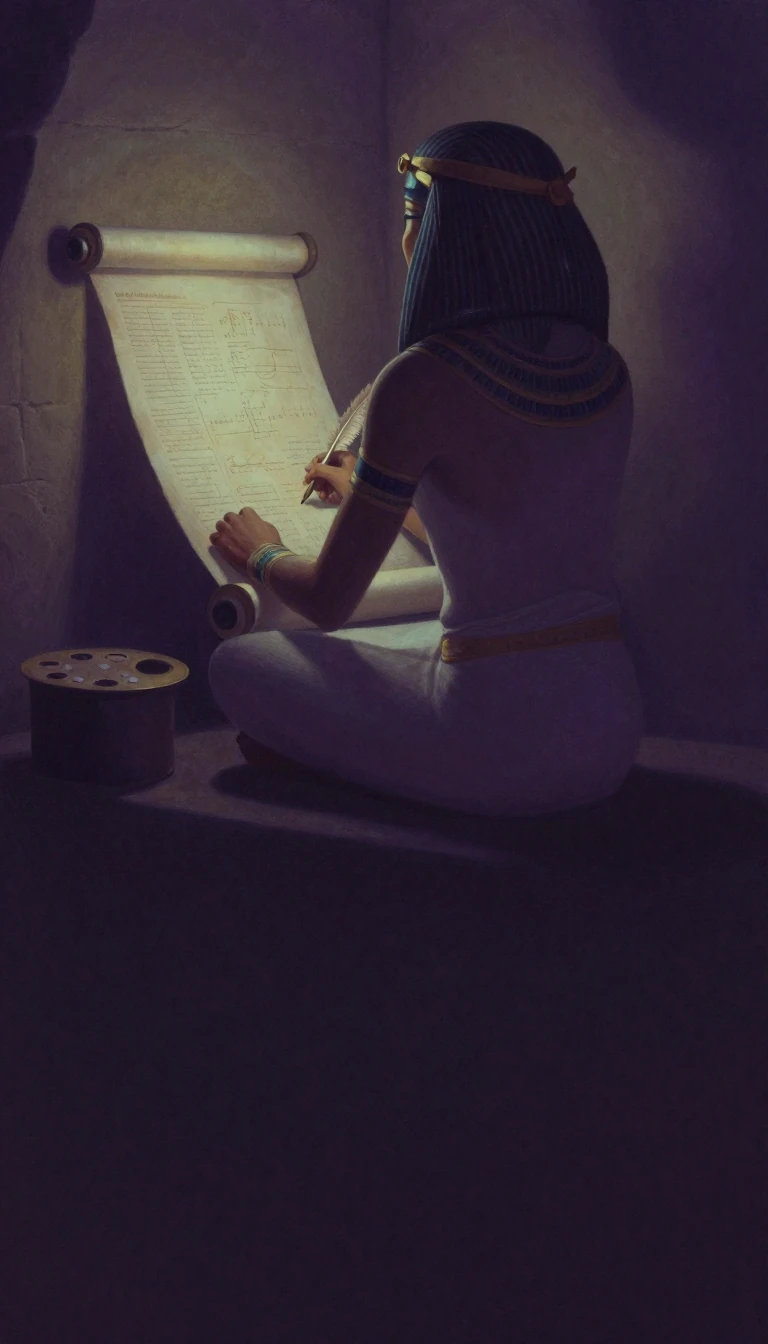
In short: Naguib Mahfouz’s Children of Gebelawi is a landmark of Middle Eastern literature that reimagines the history of Judaism, Christianity, and Islam within a Cairene alley. Despite its literary significance, the novel faced intense religious opposition, a fatwa, and a physical attack on its author, remaining banned in Egypt until 2006.
First serialised in the newspaper Al-Ahram in 1959, the novel was immediately controversial. It was only published in its entirety due to the intervention of Egyptian president Gamal Abdel Nasser, though book publication remained prohibited in Egypt for nearly half a century. The narrative functions as an allegory, retelling the stories of Adam, Moses, Jesus, and Muhammad through figures living in an imaginary 19th-century alley. These protagonists repeatedly attempt to overthrow the local strongmen who control the population, only for new tyrants to inevitably emerge in each generation.
The book’s fifth section introduces Arafa, a character representing modern science. Arafa attempts to use his knowledge of explosives to destroy the alley's oppressors, but his quest for the secrets of the patriarch Gabalawi—often interpreted as a representation of God—leads to tragedy. Mahfouz himself rejected the idea that Gabalawi was a literal stand-in for the divine, arguing that the character instead represented a human-constructed concept of God. The novel is deeply rooted in the political history of Egypt and the author’s own upbringing in the alleys of Old Cairo.
The work’s publication history is as turbulent as its reception. After being printed in Lebanon in 1967, it reached English readers through Philip Stewart’s 1981 translation. Following a 1989 fatwa by Omar Abdel-Rahman, which called for Mahfouz's death, the author was stabbed in 1994. He survived, but the incident highlighted the extreme polarization surrounding the text. It was not until four months after Mahfouz’s death in 2006 that the novel was officially released in Egypt, where it quickly became a best seller, finally ending its long journey from a censored serial to a widely read cultural touchstone.
Opens the Intellect+ feed with this card first. Swipe up for the next one.
Sources
- Summary by Intellect · source: Children of Gebelawi
To cite this card, link to https://intellectplus.co.uk/app/art-children-of-gebelawi.
How we source, check and correct cards: Editorial standards.
General information, not professional advice. Spotted an error? Flag the card or see corrections and complaints.
Intellect Plus is a visual educational discovery platform for exploring fascinating facts and ideas. Brain Food, Not Brain Rot. What is Intellect Plus?
Related
More in Literature · More in Art · Latest · A–Z · All topics
