Chinoiserie: How Europe’s Imaginary China Shaped Centuries of Western Art and Design
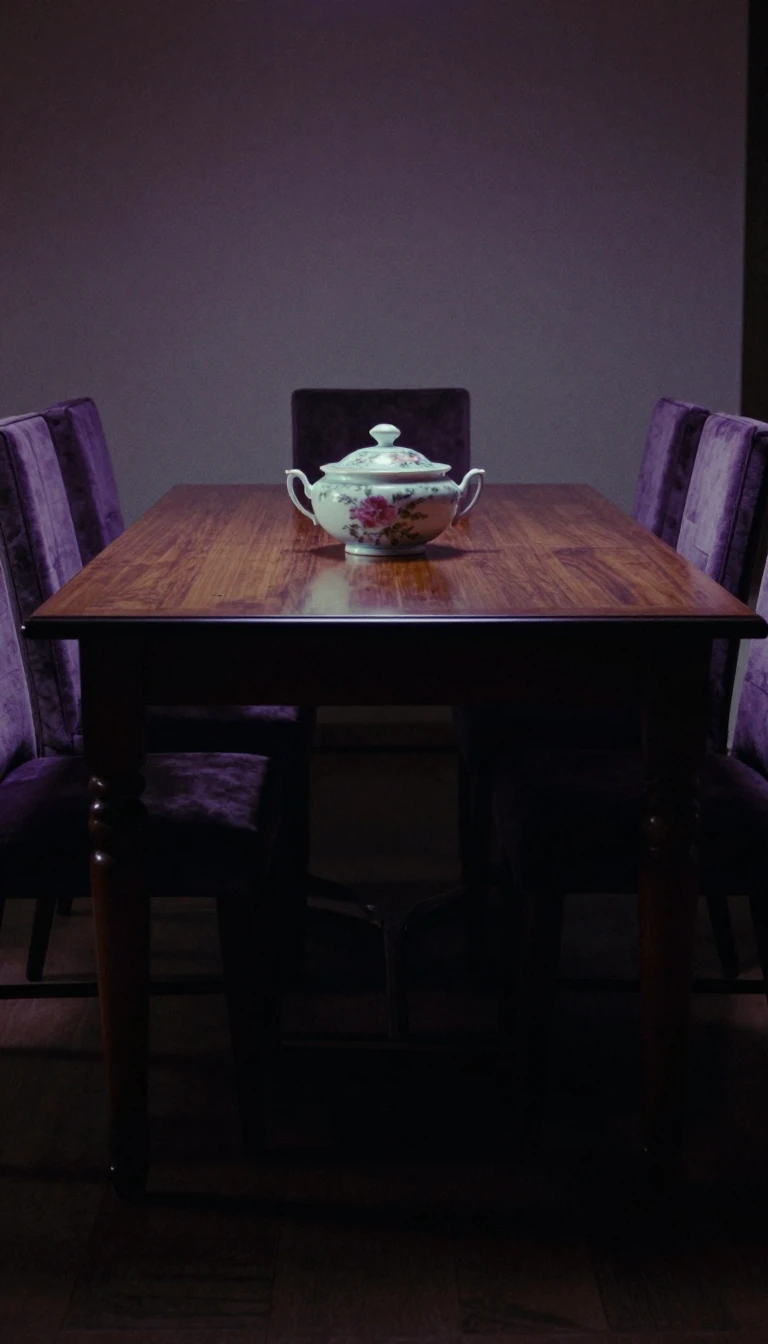
In short: Chinoiserie was not a direct reflection of Chinese culture, but a European fantasy. From the 17th century through the 1920s, this aesthetic blended real imports with invented motifs to create an idealized, exotic vision of the East that transformed everything from garden design and furniture to high fashion and music.
Emerging in the late 17th century, chinoiserie represented a European interpretation of Sinosphere traditions. It was a global phenomenon, with local variations appearing in places like Latin America and Japan, while China itself produced 'occidenterie'—Western-styled goods for its own consumers. In Europe, the style peaked during the 18th century, finding a natural home within the exuberant, asymmetrical aesthetics of the Rococo movement. It was fueled by the influx of goods from East India Companies and the reports of Jesuit missionaries, which provided Europeans with their primary, albeit often filtered, understanding of the Chinese empire.
The style was deeply tied to the domestic rituals of the era, particularly the rise of tea drinking. As tea became a staple of polite society—by 1750, England was consuming roughly 10 million pounds of the leaf every year—wealthy women, including figures like Queen Mary II and the Duchess of Portland, championed chinoiserie to create the perfect setting for this social practice. Beyond tea wares, the aesthetic permeated architecture, with 'Chinese' pavilions appearing in royal gardens, and interior design, where expensive, hand-painted wallpapers were used to complement lacquer furniture and porcelain collections.
Critics, however, often dismissed the trend as a retreat from reason, viewing its whimsical, asymmetrical nature as a mockery of authentic Chinese art. By the 19th century, the style faced decline due to shifting political relations, such as the First Opium War, and the rise of Neoclassicism. Yet, it proved resilient, experiencing revivals in the late 19th century and continuing to influence modern fashion and music. Ultimately, chinoiserie reveals less about China and more about the European desire to reshape its own culture through a romanticized, often stereotypical, lens of the 'Orient'.
Opens the Intellect+ feed with this card first. Swipe up for the next one.
Sources
- Summary by Intellect · source: Chinoiserie
To cite this card, link to https://intellectplus.co.uk/app/art-chinoiserie.
How we source, check and correct cards: Editorial standards.
General information, not professional advice. Spotted an error? Flag the card or see corrections and complaints.
Intellect Plus is a visual educational discovery platform for exploring fascinating facts and ideas. Brain Food, Not Brain Rot. What is Intellect Plus?
Related
More in Visual arts · More in Art · Latest · A–Z · All topics
