Why Chinese porcelain is the world's most enduring and influential industrial invention.
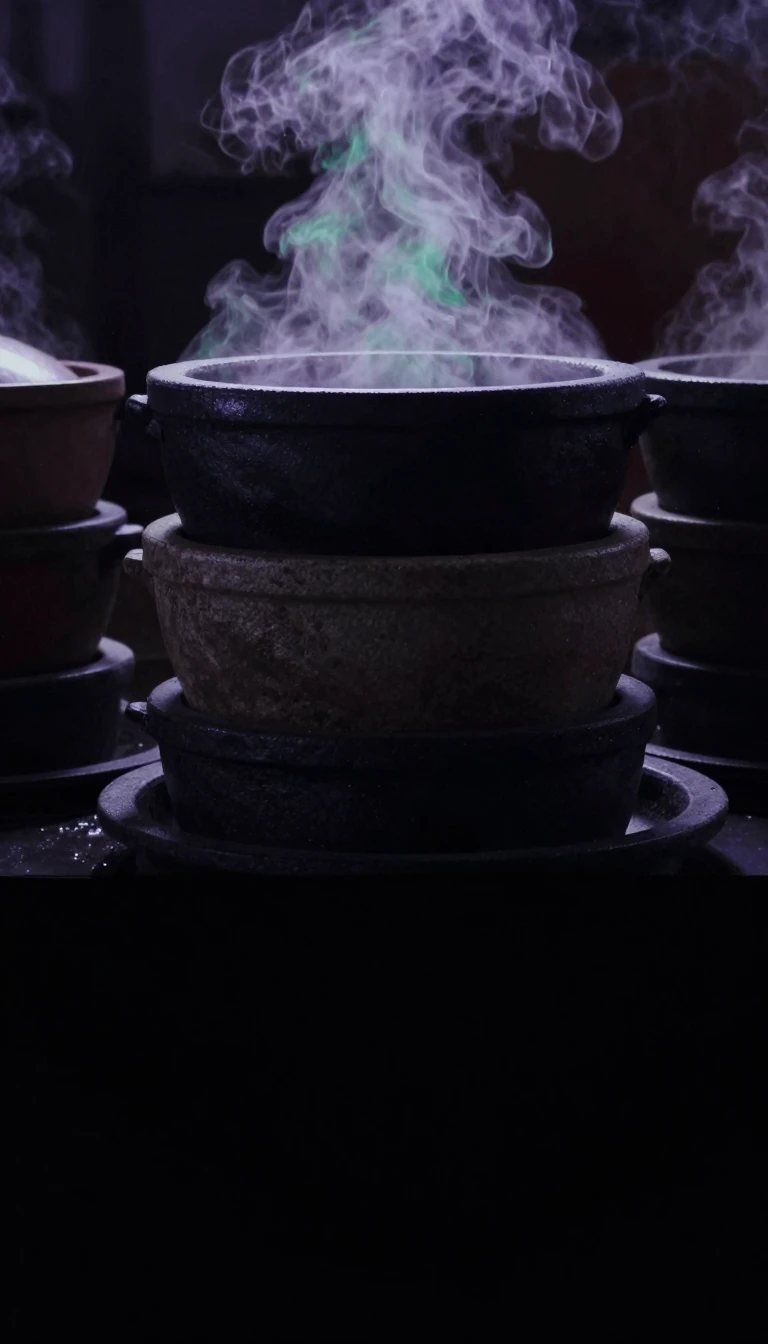
In short: Chinese ceramics evolved from ancient bonfire-fired earthenware into a global industrial powerhouse. By mastering high-temperature kilns and unique mineral blends like kaolin, Chinese artisans created porcelain so prized that it became synonymous with the country itself. This legacy of innovation reshaped global trade, art, and even the definition of luxury.
The history of Chinese ceramics is a story of continuous technological refinement. Pottery production dates back at least 20,000 years to the Xianrendong Cave. Over millennia, the development of specialized kilns—such as the southern dragon kiln and the northern mantou kiln—allowed potters to reach temperatures exceeding 1,300 °C. This heat was essential for transforming raw materials like kaolin and petunse into the translucent, durable material we now call porcelain.
Geography played a decisive role in this evolution. The Nanshan-Qinling divide separated the north and south, dictating the availability of resources. Northern kilns often relied on coal, while southern kilns used wood, influencing the chemical composition and firing characteristics of the wares. By the 13th century BCE, the first high-fired stoneware appeared, marking a departure from earlier earthenware and setting the stage for the sophisticated proto-porcelain and celadon glazes that would define later dynasties.
By the Yuan and Ming dynasties, production had shifted toward an industrial scale, particularly in the city of Jingdezhen. This era saw the rise of blue-and-white porcelain, influenced by Islamic metalwork and cobalt pigments. While literati scholars often dismissed these vibrant, painted designs as vulgar compared to the monochrome, subtle aesthetics of the Song dynasty, the global market disagreed. Export porcelain became a massive economic force, reaching Europe by the 16th century and forever altering the trajectory of ceramic traditions worldwide.
Opens the Intellect+ feed with this card first. Swipe up for the next one.
Sources
- Summary by Intellect · source: Chinese ceramics
To cite this card, link to https://intellectplus.co.uk/app/art-chinese-ceramics.
How we source, check and correct cards: Editorial standards.
General information, not professional advice. Spotted an error? Flag the card or see corrections and complaints.
Intellect Plus is a visual educational discovery platform for exploring fascinating facts and ideas. Brain Food, Not Brain Rot. What is Intellect Plus?
Related
More in Visual arts · More in Art · Latest · A–Z · All topics
