Why an ancient collection of southern Chinese poetry remains a pillar of literary history.
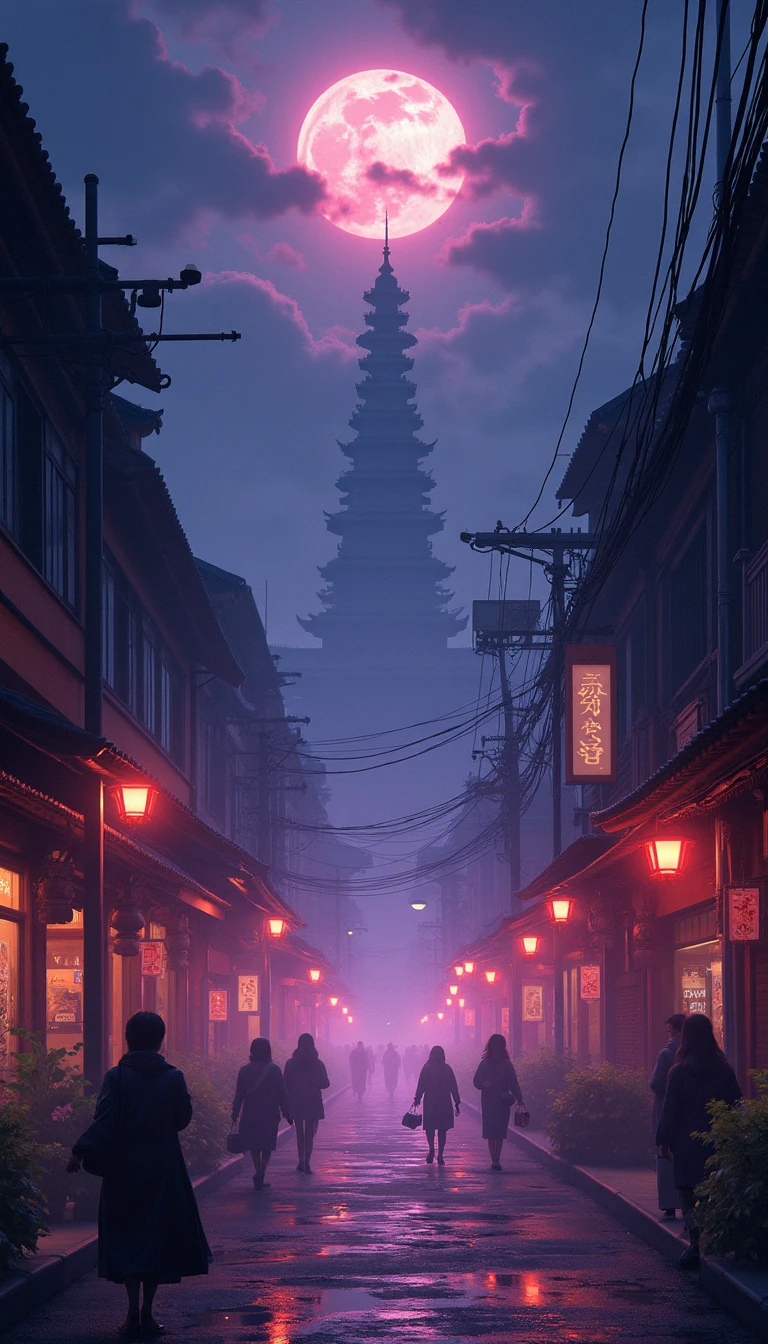
In short: The Chu Ci is an ancient anthology of Chinese verse that defied the rigid canons of its time. Originating from the southern state of Chu, these poems introduced exotic shamanistic themes, spirit journeys, and floral symbolism that fundamentally reshaped the trajectory of Classical Chinese poetry for centuries to come.
The Chu Ci, or Songs of Chu, emerged from the southern fringe of the Chinese cultural sphere during the Warring States period. Unlike the canonical Classic of Poetry, which adhered to the sanctified traditions of the Western Zhou, the Chu Ci embraced the exotic. It features vivid descriptions of spirit journeys, interactions with deities, and travel to mythical locations like Mount Kunlun. These works reflect the shamanistic practices of the Yangzi River valley, where poets sought divine blessings through dramatic, courtship-like invocations.
Central to the anthology is the figure of Qu Yuan, a 4th-century BC administrative official who, according to tradition, committed suicide in the Miluo River after his political advice was ignored and his homeland of Chu fell to the Qin kingdom. While modern scholars debate the authorship of many pieces, Qu Yuan is traditionally credited with the Li Sao, a long poem expressing profound political and personal sorrow. The collection was eventually compiled into its standard seventeen-section format by Wang Yi, a 2nd-century AD imperial librarian under Emperor Shun of Han.
The anthology’s influence on Chinese literature is immense, impacting poets from the Han dynasty through to the Song dynasty, including figures like Jia Yi and Su Shi. Beyond its aesthetic contributions, the Chu Ci serves as a vital primary source for ancient mythology, preserving tales of the goddess Nüwa and the Great Flood. Its unique prosody, which often utilizes a rhythmic nonce word to create a distinct cadence, provided a flexible alternative to the rigid four-syllable lines of earlier northern traditions, cementing its status as a cornerstone of Chinese cultural history.
Opens the Intellect+ feed with this card first. Swipe up for the next one.
Sources
- Summary by Intellect · source: Chu Ci
- Also: www.britannica.com — Chuci | Chinese Poetry, Han Dynasty & Classic Texts | Britannica
- Also: Art Institute of Chicago — One of the 19 Poems of Antiquity- Times of Separation and Suffering after the War during the reign of Chien-an · CC0 (data); description CC BY 4.0
To cite this card, link to https://intellectplus.co.uk/app/art-chu-ci.
How we source, check and correct cards: Editorial standards.
General information, not professional advice. Spotted an error? Flag the card or see corrections and complaints.
Intellect Plus is a visual educational discovery platform for exploring fascinating facts and ideas. Brain Food, Not Brain Rot. What is Intellect Plus?
Related
More in Literature · More in Art · Latest · A–Z · All topics
