The high-stakes geometry of luxury: how a crocodile's body dictates fashion
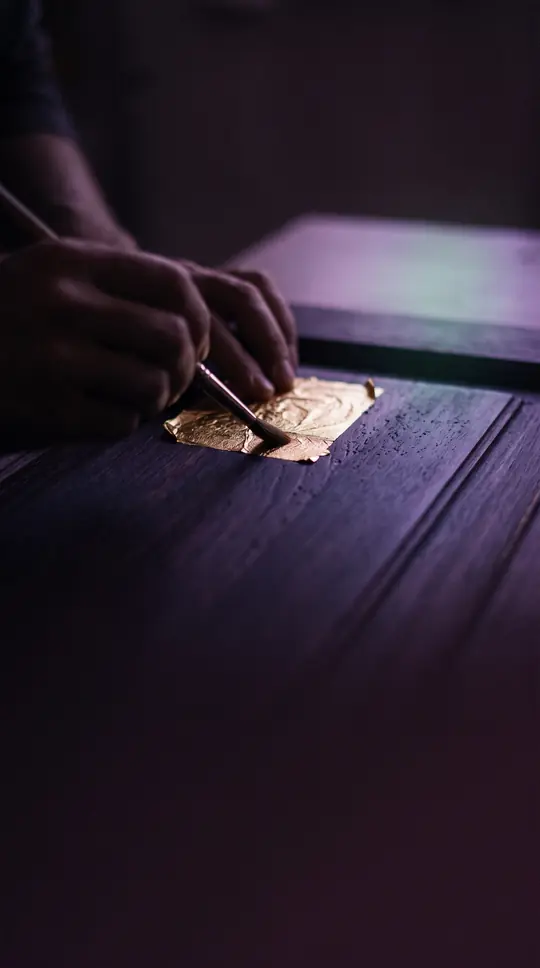
In short: A single handbag can require several skins to produce, but the value of that leather is dictated by precise measurements and microscopic imperfections. In the world of high fashion, a crocodile's anatomy is translated into a rigorous system of grading, where a single scar can slash a product's worth by 25%.
Crocodile leather is an elite luxury material, making up less than 1% of global leather production. Its scarcity is driven by the limited number of species—only 23 exist worldwide—and the specialized infrastructure required for tanning. Major fashion houses like Hermes and Louis Vuitton rely on specific species for different textures: Freshwater crocodiles are prized for flexibility in clothing, while Nile crocodiles are favored for heavy-duty items like belts due to their durability.
The Australian Saltwater Crocodile is often considered the gold standard for high-quality, flexible hides. The transition from farm to fashion is a high-stakes logistical feat. Farmers must manage crocodiles to prevent fights and infections, as any scarring significantly devalues the skin. Once harvested, the skin's value is determined by its width (measured across the third raised scute) and its grade.
To maintain premium status, skins are often transported to reputable tanneries in France or Italy. During processing, artisans must navigate the physical limits of the material; for instance, designers must mark preparatory sewing lines with rotatory tools to thin the leather, preventing needles from breaking against internal calcium deposits. Beyond aesthetics, the trade is governed by strict international oversight. Since 1973, the CITES agreement has regulated the trade of endangered species to prevent over-hunting. This means that for a skin to be legally sold in markets like the United States, it must come from a certified, reputable farm. This balance of conservation, craftsmanship, and supply-and-demand ensures that the leather remains a rare commodity, where the final product is as much a result of biological management as it is artistic design.
Opens the Intellect+ feed with this card first. Swipe up for the next one.
Sources
- Summary by Intellect · source: Crocodile skin
To cite this card, link to https://intellectplus.co.uk/app/art-crocodile-skin.
How we source, check and correct cards: Editorial standards.
General information, not professional advice. Spotted an error? Flag the card or see corrections and complaints.
Intellect Plus is a visual educational discovery platform for exploring fascinating facts and ideas. Brain Food, Not Brain Rot. What is Intellect Plus?
Related
More in Conservation · More in Art · Latest · A–Z · All topics
