Are the famous crystal skulls ancient relics or merely 19th-century German craft projects?
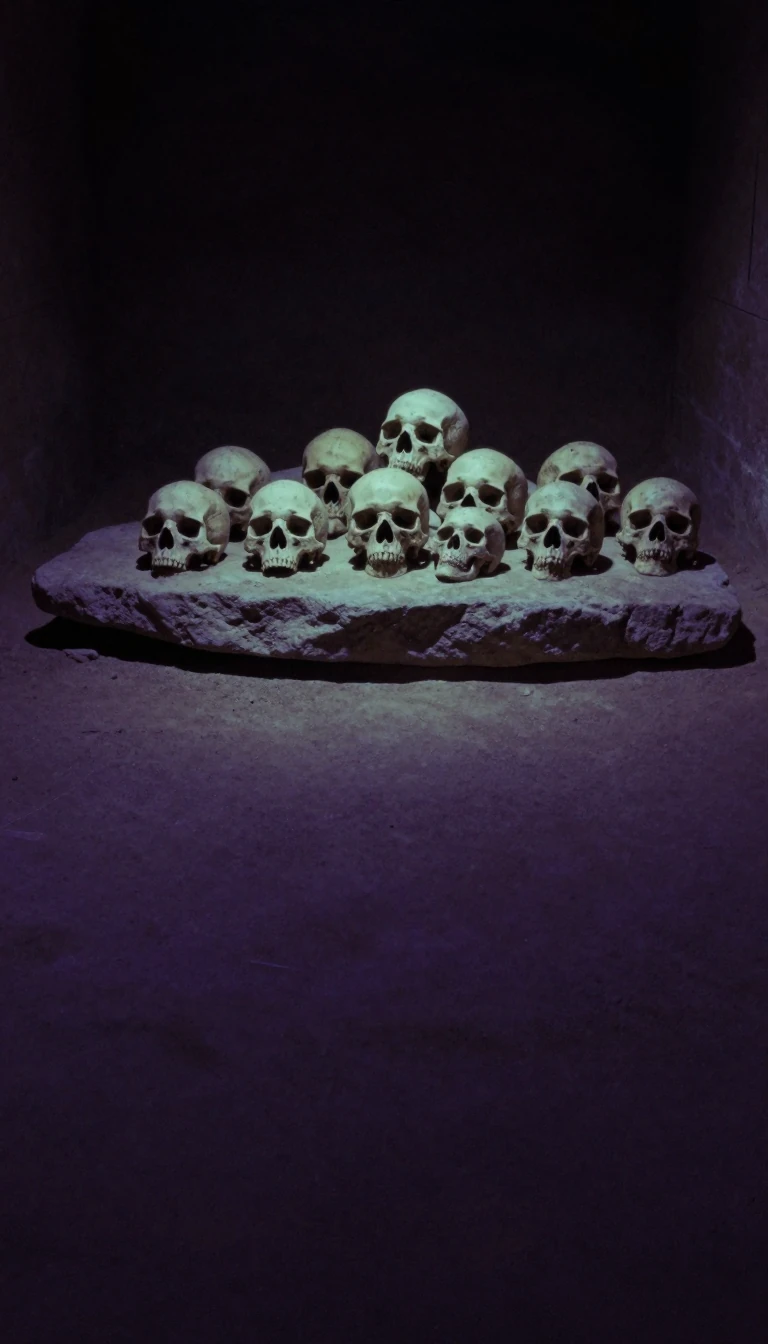
In short: Crystal skulls are often marketed as ancient Mesoamerican artifacts with supernatural healing properties. However, modern scientific analysis suggests these macabre objects are likely 19th-century European creations. While they continue to capture the public imagination through cinema and legend, experts argue their origins are far more industrial than mystical.
For over a century, a small collection of crystal skulls has fascinated archaeologists and spiritualists alike. Often attributed to Aztec or Maya civilizations, these objects are frequently claimed to possess the ability to record energy or provide psychic healing. Proponents suggest they are ancient computers, yet no such skull has ever been recovered from a legitimate archaeological excavation. Instead, the skulls appear to have surfaced in the late 1800s, a period when public interest in ancient cultures was at its peak and museums were actively seeking display pieces.
Scientific scrutiny has consistently undermined claims of antiquity. Electron microscope examinations conducted by institutions like the British Museum and the Smithsonian have revealed markings consistent with rotary tools and modern abrasives. One study identified the use of silicon carbide, a synthetic compound not available until the 1890s, suggesting some specimens were crafted as recently as the mid-20th century. Furthermore, the quartz used for these carvings often contains inclusions found only in Brazil or Madagascar, regions inaccessible to pre-Columbian indigenous groups.
The trail of these artifacts often leads back to Eugène Boban, a French antiquities dealer active in Mexico City between 1860 and 1880. Research indicates that many of these skulls were likely manufactured in Idar-Oberstein, Germany, a town renowned for its intricate quartz craftsmanship during the late 19th century. While the mystery of their specific creation remains, the consensus among scientists is that they are not authentic pre-Columbian relics. Despite this, the allure of the skulls persists, bolstered by their frequent appearance in popular media and adventure films.
It is important to distinguish these controversial carvings from the genuine role of skulls in Mesoamerican art. Skulls were indeed significant symbols of regeneration for the Aztec, often representing various deities. However, anthropologists emphasize that these historical representations were not intended to function as supernatural tools. The modern fascination with crystal skulls appears to be a separate phenomenon, rooted more in 19th-century trade and creative myth-making than in the actual spiritual practices of ancient civilizations.
Opens the Intellect+ feed with this card first. Swipe up for the next one.
Sources
- Summary by Intellect · source: Crystal Skulls Are Shrouded in Mystery and Fascination
- Also: Crystal skull
To cite this card, link to https://intellectplus.co.uk/app/art-crystal-skull.
How we source, check and correct cards: Editorial standards.
General information, not professional advice. Spotted an error? Flag the card or see corrections and complaints.
Intellect Plus is a visual educational discovery platform for exploring fascinating facts and ideas. Brain Food, Not Brain Rot. What is Intellect Plus?
Related
More in Visual arts · More in Art · Latest · A–Z · All topics
