From tombstone memento mori to modern hazard warning: the evolution of the skull
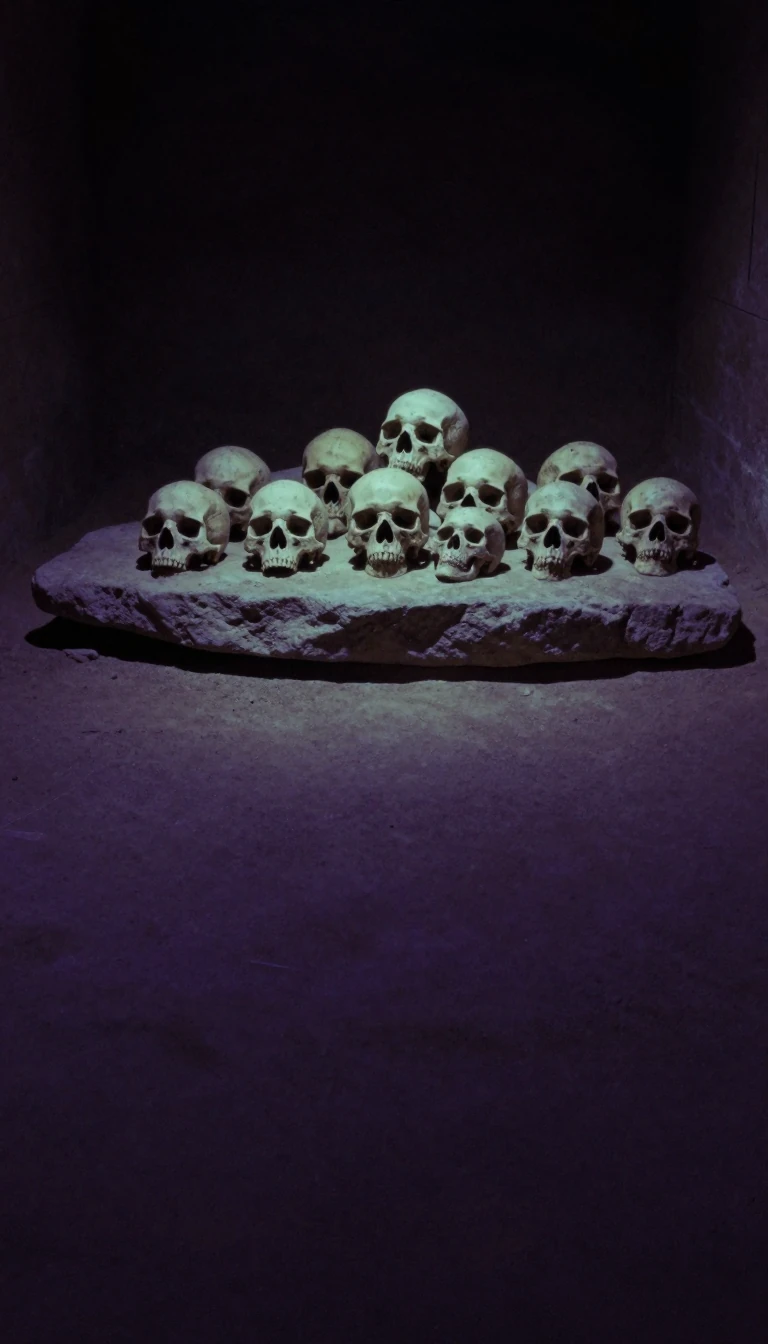
In short: The skull and crossbones is one of history's most versatile icons. Once a somber reminder of mortality on medieval gravestones, it evolved into a military badge of elitism, a pirate's calling card, and eventually, a universal warning for lethal toxins. Its journey reveals how symbols shift meaning across centuries.
The origins of the skull and crossbones lie in the Late Middle Ages, where it served as a memento mori—a stark reminder of death—frequently carved into tombstones. This association with mortality was literal in Spain, where actual human remains were used to mark the entrances to cemeteries. Over time, the motif transcended its funerary roots, finding a new life as a symbol of martial prowess and elite status. By 1741, Frederick the Great’s Hussars, known as the Totenkopfhusaren, adopted the insignia, cementing its place in European military tradition. This legacy of elitism persisted through the Prussian army, the Freikorps, and eventually into the uniforms of the Wehrmacht and the SS, leaving a complex cultural imprint that continues to influence modern fashion and subcultures.
The symbol’s transition into a warning for poison was a more practical development. In 1829, New York State mandated the labeling of poisonous substances, though early methods were inconsistent, ranging from skeletons to the Danish '+ + +' motif. By the 1850s, the skull and crossbones began appearing on containers, eventually becoming the standard by the 1880s. This shift rendered earlier safety innovations, such as the tactile cobalt bottles designed with raised bumps for recognition in the dark, largely obsolete. The ubiquity of the symbol eventually sparked concerns that its association with pirates might inadvertently entice children to interact with dangerous materials.
These concerns led to the creation of the 'Mr. Yuk' symbol in the United States, intended as a more child-friendly deterrent. Despite this, the skull and crossbones remains the dominant global icon for toxicity. In 2001, the American Association of Poison Control Centers reaffirmed its necessity, voting to maintain the symbol as the standard for identifying hazardous chemicals. Today, the icon occupies a strange dual space: it is simultaneously a serious safety warning and a pop-culture staple, illustrating how a single visual shorthand can carry vastly different weights depending on its context.
Opens the Intellect+ feed with this card first. Swipe up for the next one.
Sources
- Summary by Intellect · source: Skull and crossbones
To cite this card, link to https://intellectplus.co.uk/app/culture-skull-and-crossbones.
How we source, check and correct cards: Editorial standards.
General information, not professional advice. Spotted an error? Flag the card or see corrections and complaints.
Intellect Plus is a visual educational discovery platform for exploring fascinating facts and ideas. Brain Food, Not Brain Rot. What is Intellect Plus?
Related
More in Communication · More in Cultures · Latest · A–Z · All topics
