The term cyberspace was actually born in the visual arts, not science fiction
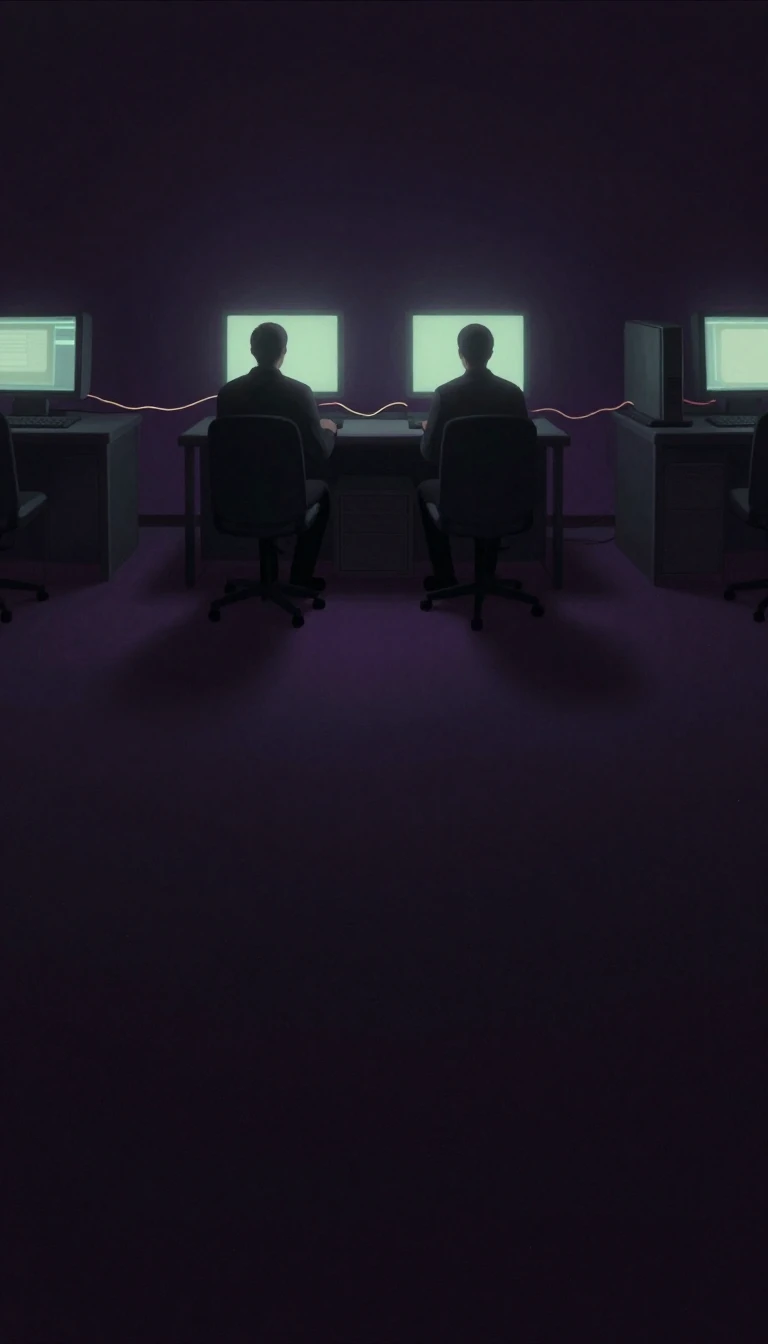
In short: We often credit 1980s cyberpunk novels for the concept of cyberspace. However, the term first appeared in the late 1960s through a Danish art collective. Long before the internet, these artists used the word to describe physical, adaptable spaces rather than digital hallucinations.
While William Gibson’s 1982 short story "Burning Chrome" and his 1984 novel "Neuromancer" popularized cyberspace as a "consensual hallucination" of data, the term's origins are rooted in the physical world. In the late 1960s, Danish artist Susanne Ussing and architect Carsten Hoff operated as Atelier Cyberspace. For them, the concept was not digital or esoteric; it was about managing physical, concrete settings. They sought to use technology to loosen the rigid confines of urban planning, envisioning open-ended systems that could evolve like organic life.
Their work focused on the intersection of technology and nature, such as a proposed computer-controlled mobile production unit that would emit material to grow amorphous, mushroom-like structures. They even utilized polystyrene foam because its expansion mimicked fungal growth. This was a response to industrial uniformity, using software to replicate the way nature creates unique products, such as how no two oak trees are identical.
By the 1980s, science fiction shifted the definition toward the digital. Authors like Gibson and activists like John Perry Barlow reimagined cyberspace as a borderless, electronic landscape of light and data. Barlow, writing in June 1990 to announce the Electronic Frontier Foundation, described it as a place where one forsakes body and place to become a thing of words alone. Today, the term has expanded even further, used by governments and military leaders to describe a critical domain of global infrastructure, alongside land, air, maritime, and space.
Opens the Intellect+ feed with this card first. Swipe up for the next one.
Sources
- Summary by Intellect · source: Cyberspace
To cite this card, link to https://intellectplus.co.uk/app/art-cyberspace.
How we source, check and correct cards: Editorial standards.
General information, not professional advice. Spotted an error? Flag the card or see corrections and complaints.
Intellect Plus is a visual educational discovery platform for exploring fascinating facts and ideas. Brain Food, Not Brain Rot. What is Intellect Plus?
Related
More in Concepts of fiction and narrative · More in Art · Latest · A–Z · All topics
