 Intellect Plus
Concepts of fiction and narrative
46 cards. Each one is a 40-second story with a five-minute read behind it.
 Why humans use stories as a primary survival strategy for realityWe don't just tell stories to entertain ourselves; we use them to navigate the chaos of existence. Narrative theory suggests that storytelling is a fundamental human mechanism for…
 Can a diverse reading list define your literary identity?This video explores the 'Omnivore Reader' challenge, a structured exercise in literary breadth. It invites readers to audit their tastes across four distinct genres to identify pe…
 Why the story you tell is not the same as your narrativeDistinguishing between story and narrative is a fundamental pillar of craft for directors, writers, and game designers. This video explores these core concepts through the lens of…
 Hypocrisy and loss of life form the path toward authorityFrank Underwood is a master of the 'fourth wall,' speaking directly to you while he orchestrates a ruthless ascent to the presidency. But his true complexity lies in his private c…
 The literary trick of the character who isn't the heroNarratives often trick us into rooting for a character who is destined to disappear. By manipulating our focus through star power, narration, or shared sympathy, creators build a …
 The Narrative Architecture of a Franchise in TransitionHow does a horror franchise maintain its identity when the original creator dies? Saw IV serves as a masterclass in narrative pivot, shifting from a linear mystery to a complex we…
 Why fantasy wizards rarely use their immense power to fix the world's problemsFantasy magicians are often depicted as all-powerful, yet they rarely build roads or provide immunizations. This isn't just a narrative choice; it is a deliberate constraint. Writ…
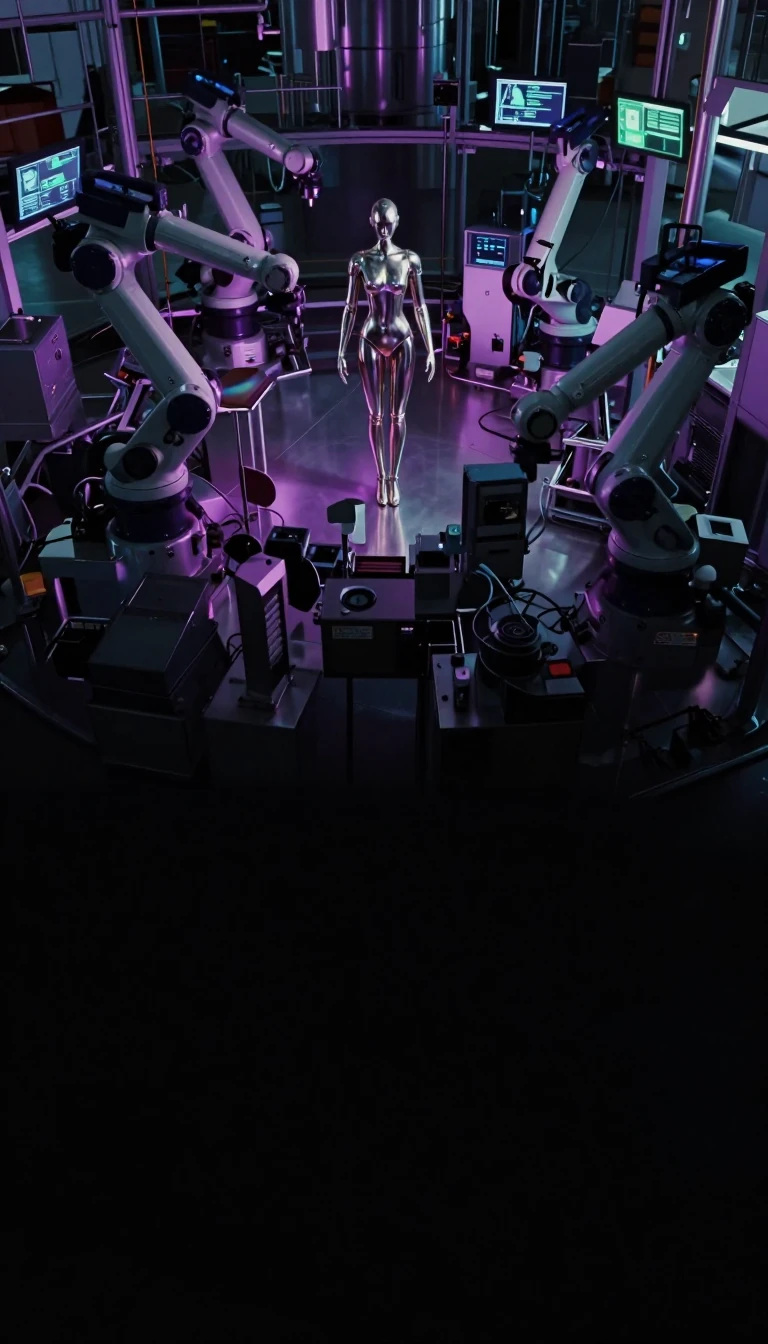 From Steam-Powered Elephants to Galactic Titans: The Evolution of Piloted MechaMecha are more than just giant robots; they are biomorphic, piloted machines that blur the line between vehicle and warrior. While often associated with Japanese anime, their root…
 Military science fiction is not just space battles; it is a tool for strategic foresight.Military science fiction transcends simple space opera by grounding futuristic conflict in the realities of military life, doctrine, and human sacrifice. Beyond entertainment, thi…
 Why a well-executed plot twist changes everything you thought you knew about a story.A plot twist is more than a surprise; it is a structural pivot that forces the audience to re-evaluate every preceding event. By withholding information or using misdirection, cre…
 Is poetic justice a moral necessity or just a satisfying literary illusion?We crave stories where virtue triumphs and vice meets its end. This literary device, known as poetic justice, promises that the world is logical and fair. But does this demand for…
 Can a novel change the world or is it just a mirror for human nature?Political fiction uses narrative to critique power, systems, and society. From ancient dialogues to modern dystopian warnings, these works aim to fuse artistic expression with pol…
 Quantum teleportation is real, but it will never beam you across the galaxyScience fiction promised us instant travel, but reality is far more subtle. Quantum teleportation does not move matter; it transfers information between linked particles. While yo…
 A theme is the soul of a story, but how do authors weave it?Themes are the central ideas anchoring a narrative, often expressed through character actions or recurring motifs. While a thematic concept identifies what a work is about, the th…
 Why the world’s most enduring myths rely on a rule-breaking, shape-shifting cosmic agent.Across cultures, the trickster is a universal archetype who defies social norms, mocks authority, and disrupts order. Whether a god, animal, or human, this boundary-crosser is ess…
 Why the most compelling storytellers are often the ones you should not trust.An unreliable narrator does not offer objective facts, but rather a window into their own biases, anxieties, and delusions. By forcing the reader to act as an armchair therapist, …
 Why the witch archetype remains a powerful mirror for our deepest collective fearsThe witch is more than a fairytale villain; she is a psychological vessel for the repressed. From ancient goddesses to modern heroines, this archetype evolves to reflect our shift…
 The Evolution of the Supervillain: From Mythic Foes to Modern MirrorsA supervillain is more than a mere antagonist; they are a complex archetype designed to challenge the limits of heroism. By wielding superhuman powers, immense wealth, or genius i…
 A protagonist is not always a heroWe often conflate the main character of a story with moral goodness, but narrative history tells a different tale. From ancient Greek tragedies to modern antiheroes and villains, …
- A plot is not just a sequence of events, but a chain of consequences.We often confuse a story with a plot. A story is simply what happens, in order. A plot, however, is the causal engine that drives a narrative forward. It is the difference between…
 Why the best stories rely on characters who never take the lead roleA great story needs more than just a protagonist. Supporting characters provide the depth, conflict, and wisdom that allow a hero to grow. From the loyal best friend to the challe…
- Why the classic three-act story structure is a modern invention, not an ancient rule.We often credit Aristotle with the three-act structure, but he actually favored a two-act model. The familiar setup, confrontation, and resolution framework was popularized much l…
- Why modern storytelling shifted from repeating loops to evolving, permanent character changeFor decades, popular media like comic books kept characters in a static loop, ensuring they never truly grew or changed. Today, the story arc has become the industry standard, tra…
- Are superheroes modern myths or just costumed crime fighters with a secret identity?Superhero fiction blends speculative fantasy with science fiction, centering on protagonists who protect the public while navigating dual identities. From ancient demigods to 20th…
 Beyond the Backdrop: How Setting Defines the Very Soul of a NarrativeA setting is far more than a simple stage for characters to walk across. It is a fundamental component of fiction, acting as a dynamic force that shapes mood, culture, and history…
 Why the most violent comedy in history is actually a refined form of artFarce is often dismissed as lowbrow, yet it demands the precision of an acrobat and the timing of a magician. From ancient mime to the slapstick of the Three Stooges, this genre t…
 Why ancient myths used shapeshifting to explain the unpredictable nature of human desire and fateFrom Greek gods seducing mortals to Celtic selkies shedding their skins, shapeshifting is one of humanity’s oldest narrative tools. It is rarely just a magical parlor trick; it is…
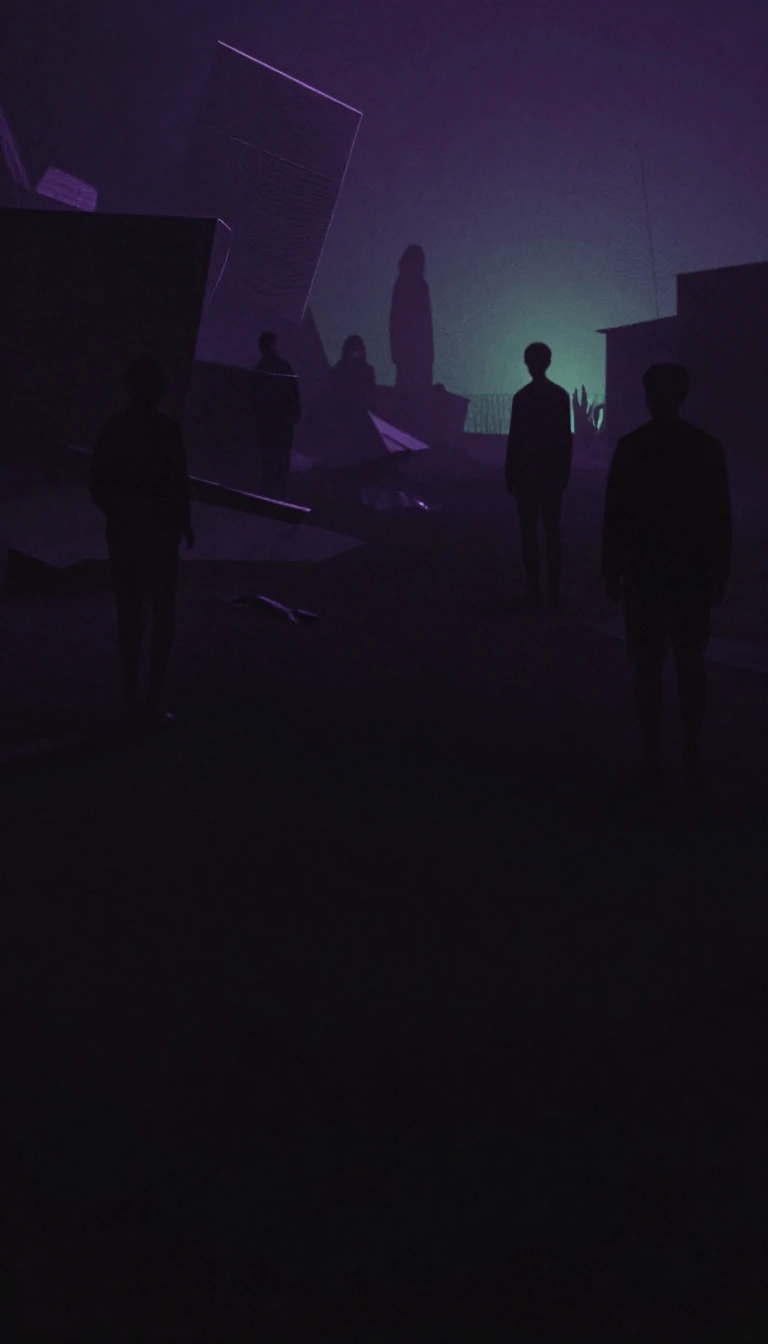 Can architecture and art physically manifest our deepest psychological fears and internal mental states?Surrealist painter Roberto Matta believed that our environment should not be dictated by rational utility, but by the fluid, shifting nature of human desire. By merging geometry w…
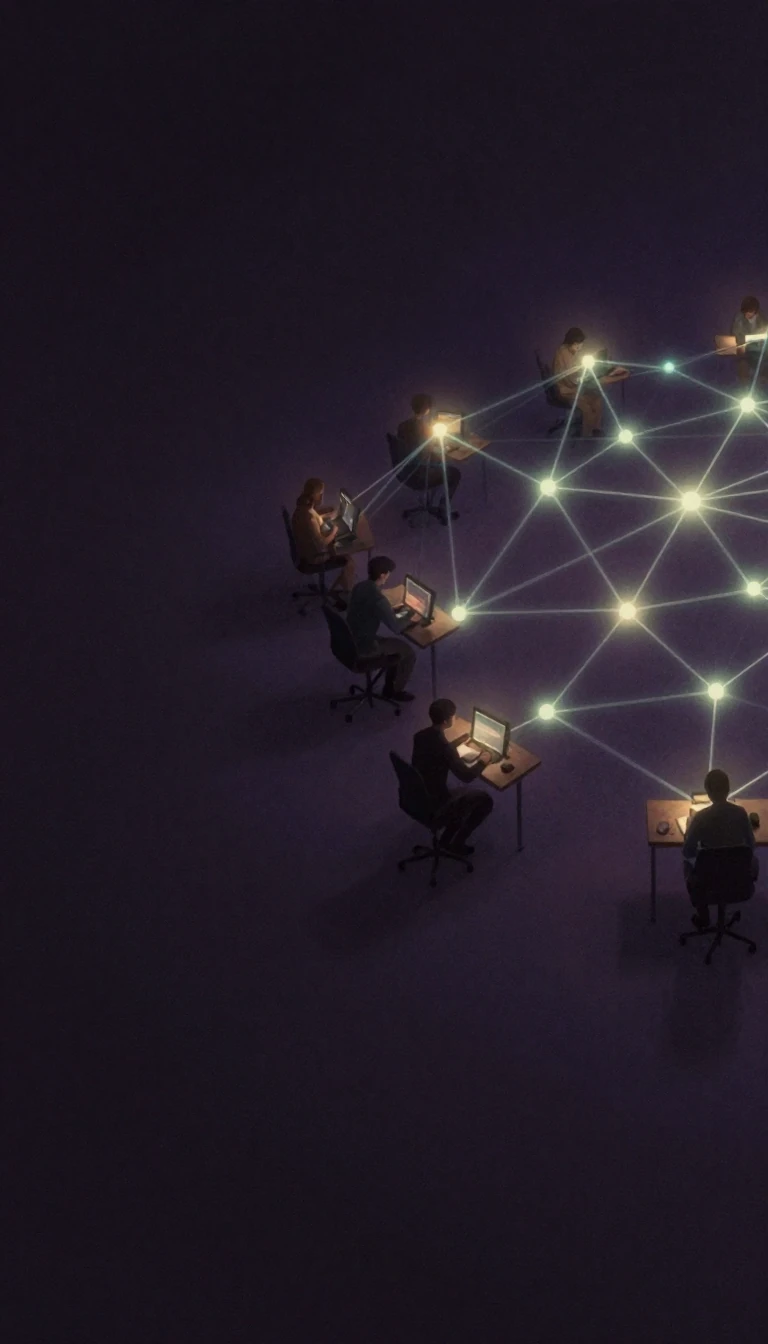 Why the most compelling stories often have no plot, no conflict, and no endingSlice of life is a narrative technique that ignores traditional dramatic structure. By stripping away exposition and high-stakes conflict, it focuses on the mundane, faithful repr…
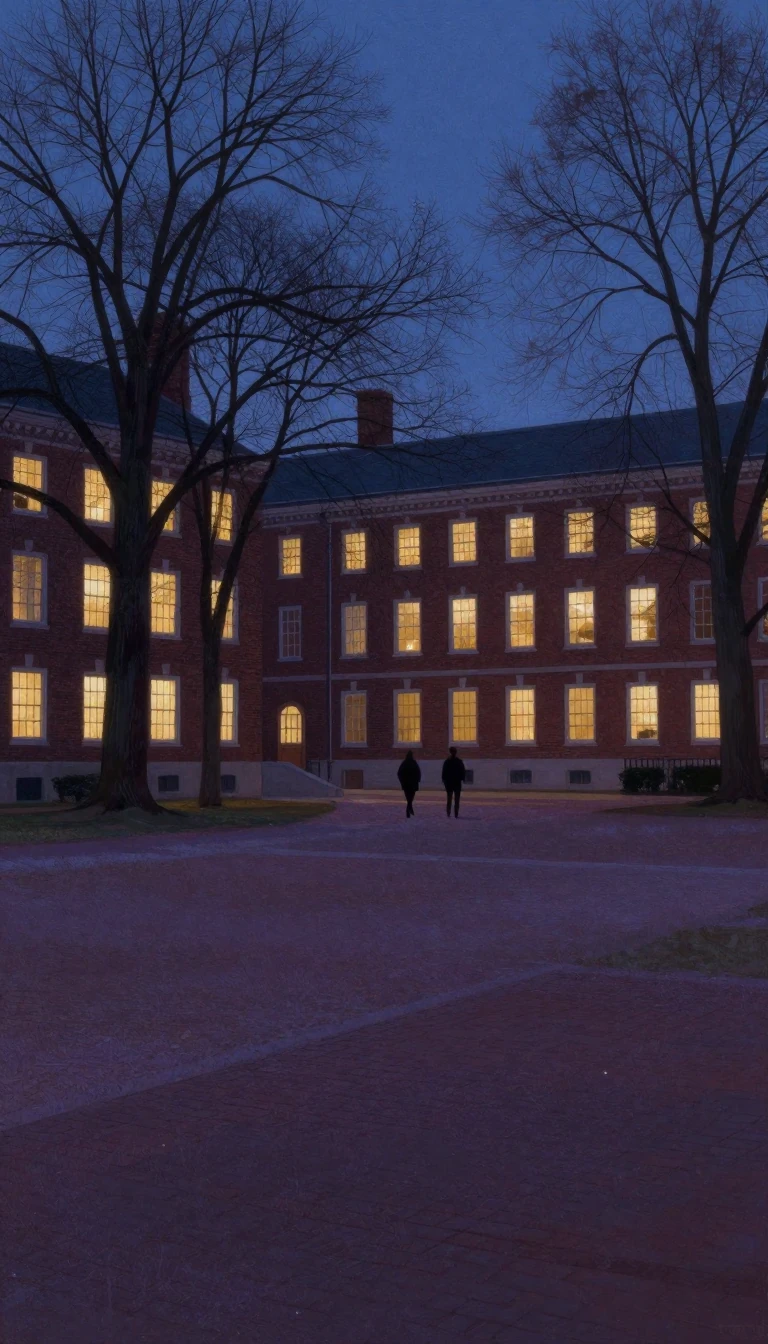 Why the most effective practical jokes are actually elaborate, long-term narrativesA practical joke is more than a quick gag; it is a physical, often long-running narrative designed to humble a target. While often lighthearted, these tricks can escalate into com…
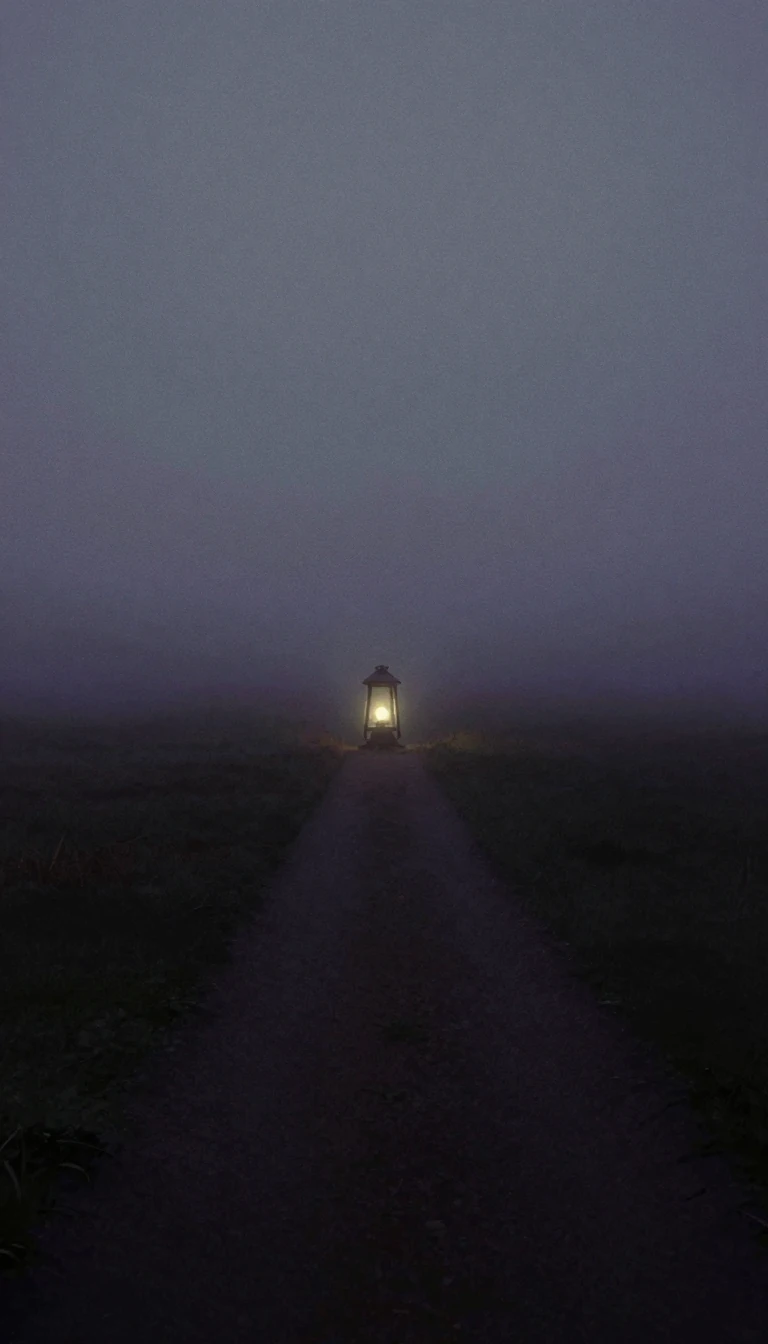 Why Enlightenment thinkers used fairy tales to smuggle dangerous ideas past royal censorsUnder the absolute monarchy of Louis XIV, critical thought was a dangerous pursuit. To bypass strict censorship, philosophers like Voltaire invented the philosophical tale—a hybri…
- Why repeating a single detail can unlock the deepest meaning of a storyA motif is more than just a recurring element; it is a structural heartbeat. By repeating specific images, sounds, or phrases, creators weave a pattern that transforms concrete de…
- Why the most terrifying horror stories are not about monsters, but about our insignificance.Lovecraftian horror discards traditional ghosts and gore in favor of a colder, more existential dread. It suggests that humanity is a fragile speck in an indifferent, alien univer…
 Beyond mere conversation: the evolution of dialogue from ancient ritual to social toolDialogue is often viewed as a simple exchange of words, but its history reveals a sophisticated instrument of philosophy, theology, and social change. From Sumerian disputations t…
- Why danger, not character, is the true engine of the classic adventure novelAdventure fiction is defined by events that pull protagonists from their ordinary lives into high-stakes peril. While other genres prioritize deep character studies or static sett…
 Why millions of people dream of being hit by a truck and reborn elsewhere.Isekai, the Japanese genre of being transported to another world, has become a global phenomenon. Whether through reincarnation or magical summoning, these stories offer a radical…
 Why the most intimate form of storytelling is also the most inherently deceptiveFirst-person narrative invites us into a character's mind, yet it is a fundamentally limited perspective. Because the narrator is an imperfect witness, they can be biased, forgetf…
 Why the best stories warn you about their endings before they even beginForeshadowing is the art of planting subtle warnings or suggestions about future events within a narrative. By dropping hints early on, authors heighten suspense and anticipation,…
- Is the hero's journey a universal blueprint for every great story ever told?The monomyth, or hero's journey, suggests that diverse cultures share a singular narrative DNA. From ancient myths to modern blockbusters, protagonists leave home, face trials, an…
 The epic is more than just a long story; it is a survival tool.While we often think of epics as grand novels or films, the genre began as a vital oral technology. For ancient societies, these sweeping narratives were the primary way to preser…
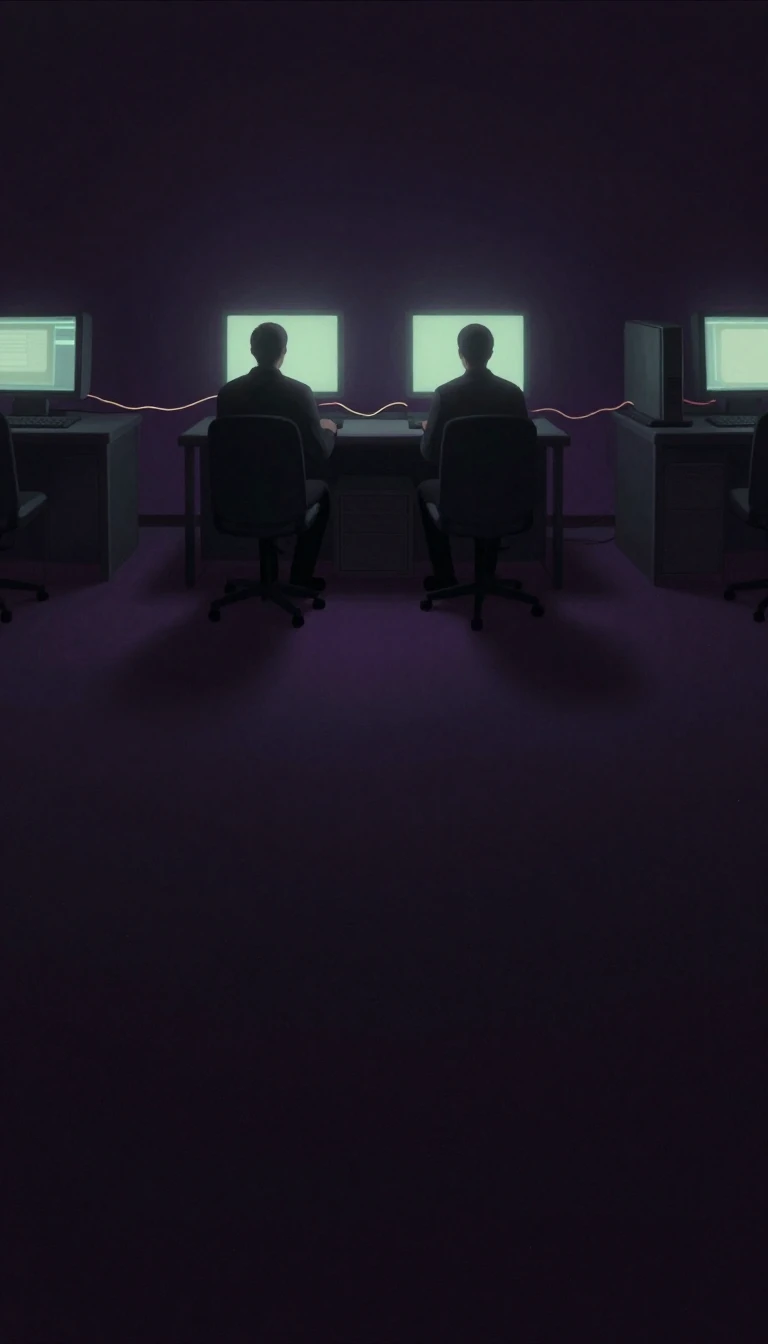 The term cyberspace was actually born in the visual arts, not science fictionWe often credit 1980s cyberpunk novels for the concept of cyberspace. However, the term first appeared in the late 1960s through a Danish art collective. Long before the internet,…
 The antagonist is not always a villain, but an obstacle.We often mistake the 'bad guy' for the antagonist. In reality, an antagonist can be anything from a rigid law to a natural disaster or even your own indecisiveness. Their primary …
- The invisible art of making fiction feel realWhen a character's hat changes shape or a dead man suddenly reappears, it is more than a mistake. It is a breakdown in continuity—the essential thread of consistency that holds a …
 Why the best fictional characters are built on a tension between truth and artificeCharacterization is the process of bringing fictional beings to life. Authors use two primary methods: direct description, where the narrator tells us who a character is, and indi…
 Who decides what is official in a fictional world, and why does it matter?Canon defines the authoritative events within a fictional universe, yet the concept is surprisingly fluid. From Star Wars' complex hierarchy to the deliberate ambiguity of Doctor …
 A character arc is the internal journey that transforms a protagonist's personality over time.A character arc is the transformation of a person from one state to another, often leading to a diametrically opposite trait. By navigating obstacles and learning new skills, prot…