Why the ancient world’s greatest leadership manual was actually a work of fiction
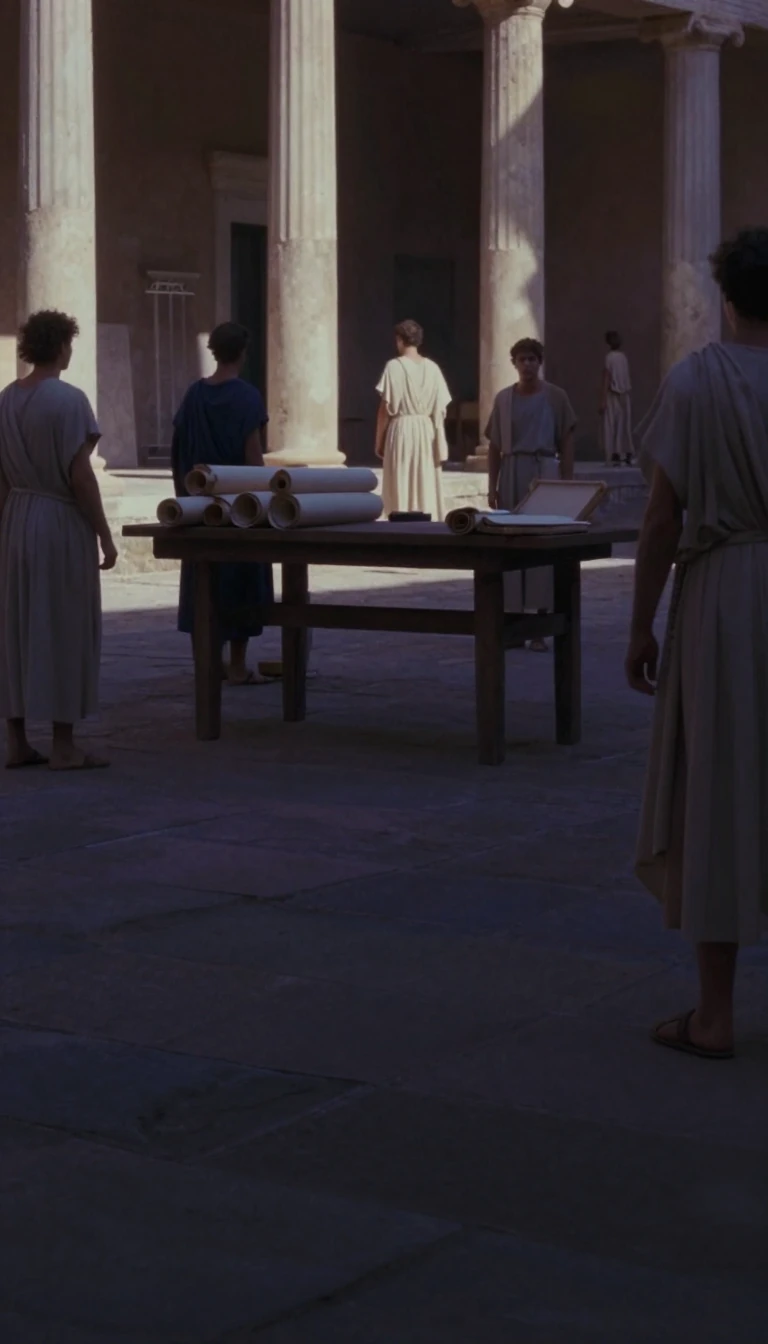
In short: Xenophon’s Cyropaedia is not a historical biography of Cyrus the Great, but a sophisticated blueprint for the ideal ruler. By blending fact with narrative invention, the Athenian soldier created a template for leadership that would eventually shape political thought for centuries, including the radical ideas of Niccolò Machiavelli.
Written in the 4th century BCE, the Cyropaedia—or Education of Cyrus—defies easy categorization. While it centers on the founder of the Achaemenid Empire, Xenophon, a student of Socrates, did not intend to write a factual chronicle. Instead, he crafted an idealized portrait of a monarch to instruct the Athenian elite on the virtues of command, strategy, and governance. Because the text deviates significantly from historical reality, scholars often view it as an early form of the novel or a philosophical manifesto rather than a reliable account of Persian history.
The narrative follows Cyrus from his youth in the Median court to his rise as a conqueror. Xenophon uses these episodes to explore the development of a leader, contrasting the perceived simplicity of Persian customs with the luxury of the Medes. The text is punctuated by narrative digressions, such as the tragic romance of Abradates and Panthea, which some critics identify as the first Western love story. These interpolations serve to humanize the protagonist while reinforcing the moral lessons Xenophon aimed to impart to his readers.
The influence of the Cyropaedia extended far beyond its original context. During the Middle Ages, it became a foundational text for the 'mirrors for princes' genre, which provided ethical guidance to rulers. Its legacy persisted into the Renaissance, where it notably informed the development of modern political theory. Machiavelli, in particular, drew upon the work to challenge medieval conventions, helping to shift the focus of political discourse toward the pragmatic realities of power. Despite its historical inaccuracies, the work remains a vital artifact of how ancient thinkers conceptualized the nature of authority and the education of the soul.
Opens the Intellect+ feed with this card first. Swipe up for the next one.
Sources
- Summary by Intellect · source: Cyropaedia | work by Xenophon | Britannica
- Also: Cyropaedia
To cite this card, link to https://intellectplus.co.uk/app/art-cyropaedia.
How we source, check and correct cards: Editorial standards.
General information, not professional advice. Spotted an error? Flag the card or see corrections and complaints.
Intellect Plus is a visual educational discovery platform for exploring fascinating facts and ideas. Brain Food, Not Brain Rot. What is Intellect Plus?
Related
More in Literature · More in Art · Latest · A–Z · All topics
