The Cthulhu Mythos was never a rigid system, but an evolving, cosmic aesthetic construct.
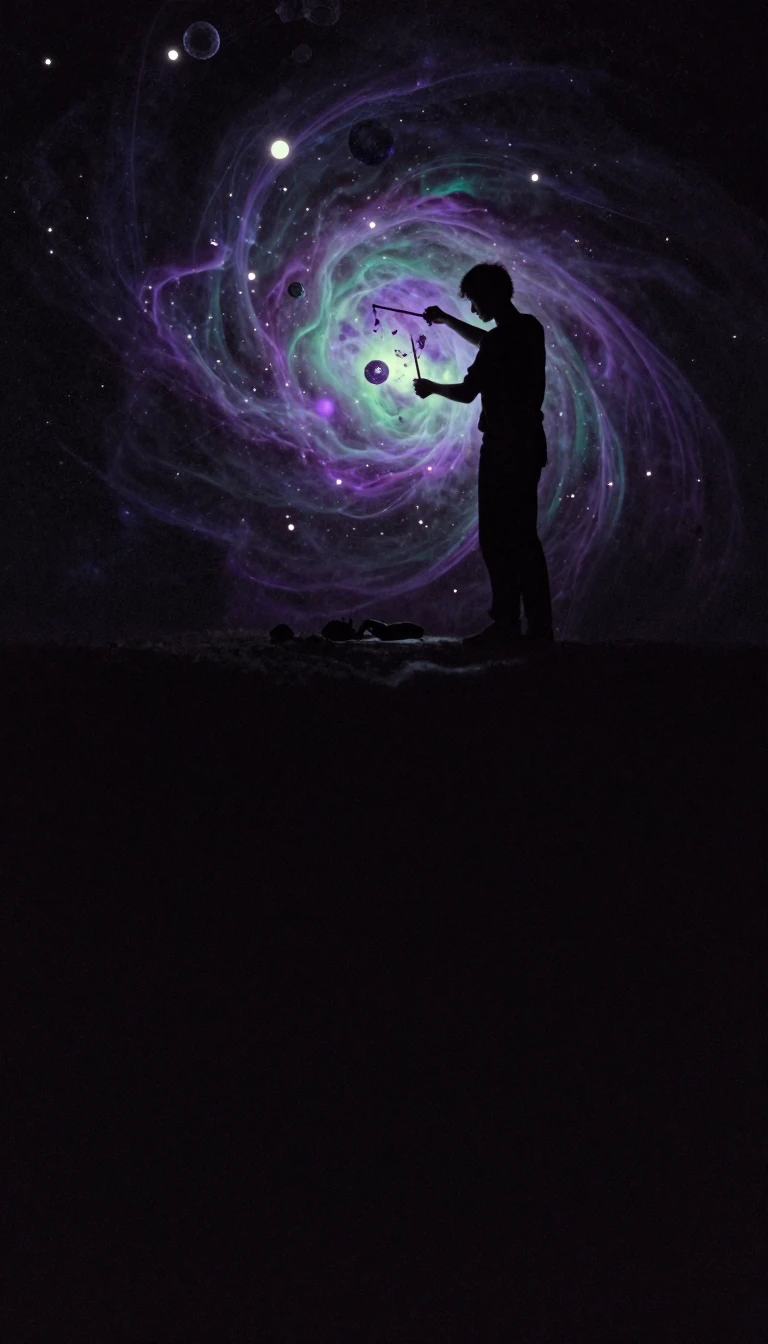
In short: H.P. Lovecraft never intended to build a canonical universe. His legendary pantheon of indifferent, ancient deities was merely background flavor for his stories. Yet, through the efforts of his protégé August Derleth and a circle of fellow writers, these fragments grew into a sprawling, influential shared mythology of cosmic horror.
The Cthulhu Mythos originated in the 1928 short story The Call of Cthulhu, published in Weird Tales. Lovecraft, a self-described mechanistic materialist, used his fiction to explore cosmic indifferentism—the belief that the universe is uncaring and purposeless. He famously argued that the most merciful human trait is our inability to fully grasp the true, terrifying nature of reality. When his characters glimpsed the vast, ancient entities lurking outside our perception, they inevitably descended into insanity.
While Lovecraft treated his pantheon as a loose background element, his protégé August Derleth sought to formalize the lore after Lovecraft's death in 1937. Derleth introduced the concept of a struggle between good and evil, categorizing the entities into benign Elder Gods and malevolent Great Old Ones. He even attempted to link these beings to classical elements, such as fire, to create a structured classification system. This approach remains debated, as scholars like S.T. Joshi argue that Lovecraft’s original vision was an adaptable aesthetic rather than a static, rigid system.
The influence of the Mythos has far outgrown its literary origins. It has permeated esoteric magical practices, inspired countless games, and even entered scientific nomenclature, with species like the extinct echinoderm Sollasina cthulhu named in its honor. Whether viewed as Lovecraft’s original cosmic attitude or Derleth’s expanded struggle between light and dark, the Mythos serves as a foundational pillar for modern speculative fiction, providing a shared language for writers to depict the unthinkably vast and indifferent forces of the universe.
Opens the Intellect+ feed with this card first. Swipe up for the next one.
Sources
- Summary by Intellect · source: Cthulhu Mythos
- Also: Cthulhu | Description, Origin, & Facts | Britannica
To cite this card, link to https://intellectplus.co.uk/app/art-cthulhu-mythos.
How we source, check and correct cards: Editorial standards.
General information, not professional advice. Spotted an error? Flag the card or see corrections and complaints.
Intellect Plus is a visual educational discovery platform for exploring fascinating facts and ideas. Brain Food, Not Brain Rot. What is Intellect Plus?
Related
More in Literature · More in Art · Latest · A–Z · All topics
