How two brothers turned the industrial decay of their Belgian hometown into cinematic gold
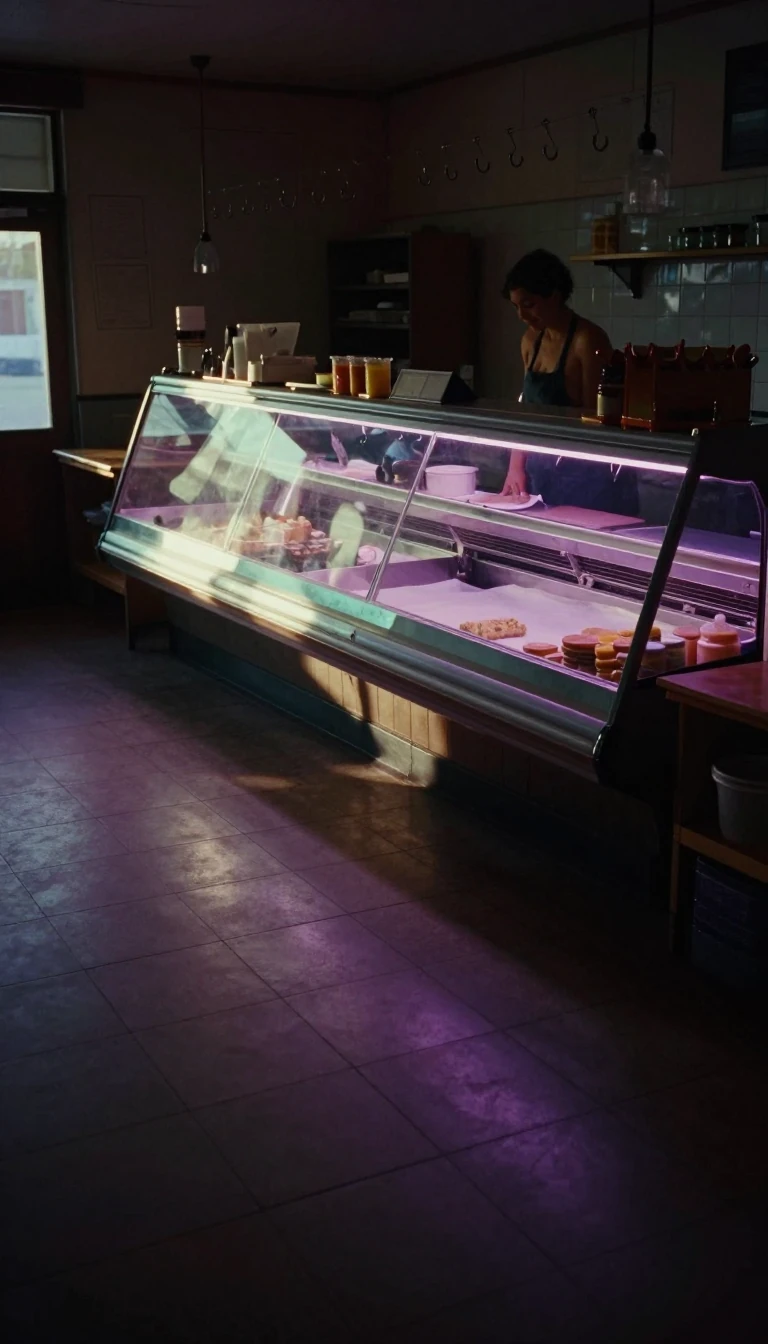
In short: Jean-Pierre and Luc Dardenne transformed the gritty, post-industrial landscape of Seraing, Belgium, into a globally acclaimed stage for working-class struggles. By rejecting polished artifice for handheld cameras and improvised dialogue, they captured the raw, unsentimental reality of life on the margins, securing their place as masters of modern European cinema.
Born in the Belgian region of Seraing—an area defined by coal mines and steel mills—the Dardenne brothers, Jean-Pierre (born 1951) and Luc (born 1954), were deeply shaped by their environment. While Jean-Pierre studied acting and Luc philosophy, their artistic trajectory was set by French director Armand Gatti, who inspired them to use video to document the lives of working-class Belgians. This early documentary work, which spanned over 60 films produced through their company Dérives, established the signature aesthetic that would later define their fiction features: a handheld, immersive camera style and a commitment to naturalism.
The brothers achieved international prominence with their 1996 breakout film, La Promesse. They are among an elite group of filmmakers to have won the prestigious Palme d’Or at the Cannes Film Festival twice: first in 1999 for Rosetta, a stark portrait of a young woman’s desperate search for employment, and again in 2005 for L’Enfant, which explores the life of a petty criminal in southern Belgium. These films, alongside works like The Kid with a Bike and Two Days, One Night, are celebrated for their focus on the psychological and spiritual burdens of the unemployed and the marginalized.
Despite their success, the brothers maintain a grounded perspective on their craft. While their film Rosetta was so impactful that it became associated with a Belgian labor law, the Dardennes insist this was coincidental. They view their work not as a tool for political change, but as an attempt to speak to audiences and provoke reflection. By continuing to write, direct, and produce their films through their company Les Films du Fleuve, they remain dedicated to a rigorous, human-centered storytelling that finds profound drama in the everyday struggles of the forgotten.
The Dardennes' influence extends beyond their own filmography. Through Les Films du Fleuve, they have supported other European directors, fostering a collaborative environment that mirrors their own partnership. Their ability to turn the specific, gritty reality of their upbringing into universal narratives has made them essential figures in contemporary cinema, proving that even the most localized stories can resonate on the world stage.
Opens the Intellect+ feed with this card first. Swipe up for the next one.
Sources
- Summary by Intellect · source: Dardenne brothers | Biography, Movies, & Facts | Britannica
- Also: Dardenne brothers
To cite this card, link to https://intellectplus.co.uk/app/art-dardenne-brothers.
How we source, check and correct cards: Editorial standards.
General information, not professional advice. Spotted an error? Flag the card or see corrections and complaints.
Intellect Plus is a visual educational discovery platform for exploring fascinating facts and ideas. Brain Food, Not Brain Rot. What is Intellect Plus?
Related
More in Filmmakers and theatre directors · More in Art · Latest · A–Z · All topics
