The ocean is a canvas for history, art, and high-tech warfare
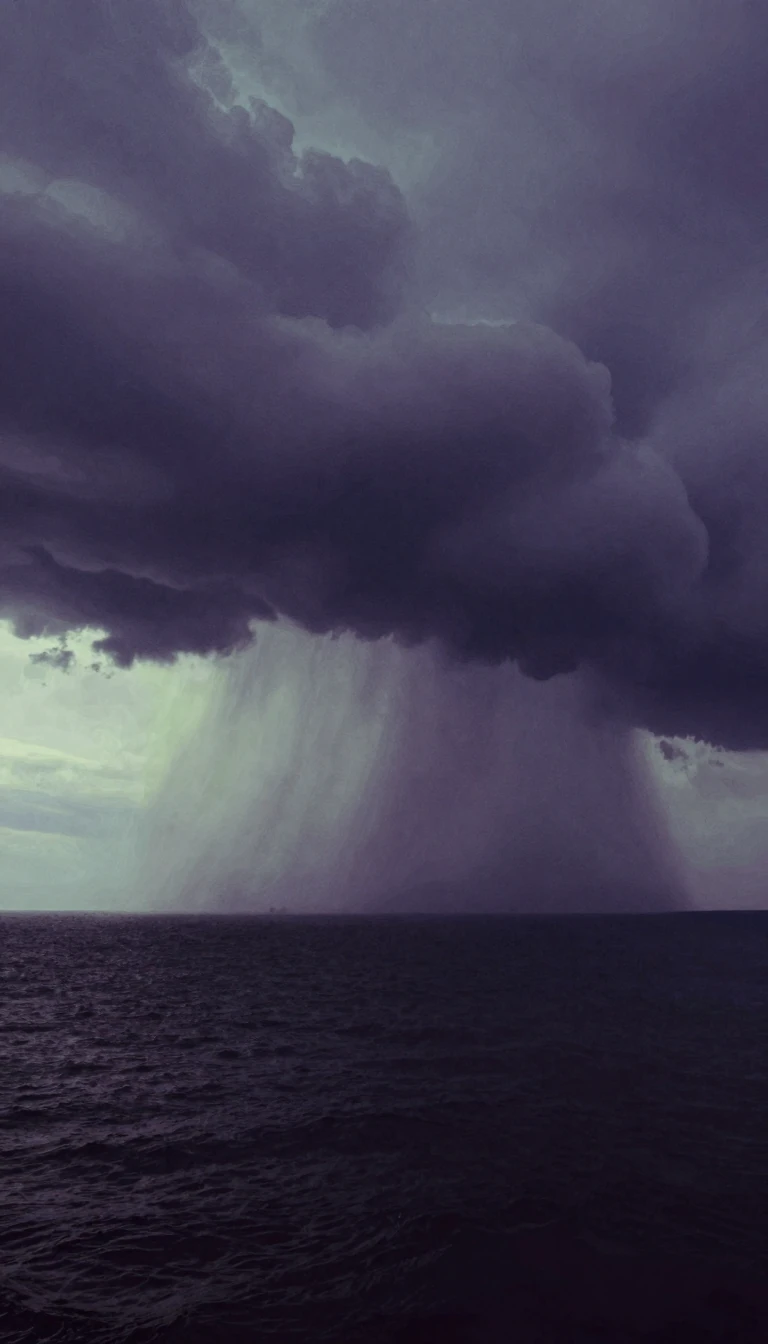
In short: From the 17th-century leaps of the Caribs to the sentient submarines of Jules Verne, the deep sea serves as a profound stage for human narrative. It is a space where historical genocide, Impressionist light, and retrofuturistic science fiction collide to explore our relationship with the unknown.
In contemporary art, Steve McQueen uses the ocean to bridge historical trauma and modern labor. His 2002 works, Caribs' Leap and Western Deep, create a visceral dialogue between two types of 'descent.' Caribs' Leap references the 1651 act of indigenous Caribs who chose to leap to their deaths from the cliffs of Grenada rather than surrender to French invaders. In contrast, Western Deep depicts the claustrophobic, nightmarish conditions of a South African goldmine. By presenting these together, McQueen suggests a haunting parallel between historical acts of genocide and the modern mechanics of mining. While McQueen explores the sea through the lens of physical and historical descent, James McNeill Whistler captured its aesthetic essence in 1893. Painting a large-format canvas off the coast of Brittany, France, Whistler used thick touches of pigment and broad handling to convey the 'ever-changing sea.' His work represents a shift toward capturing the sensory experience of the water—the way light and color interact on a hot summer day—rather than just a literal depiction of the waves.
Fiction further expands this maritime mythology by blending history with 'Retrofuturism.' In Rick Riordan's 2021 novel Daughter of the Deep, the world of Jules Verne is treated as a historical reality. The story posits that Verne’s 1870 novel Twenty Thousand Leagues Under the Seas was based on real interviews. Here, the sea is a theater of 'guerrilla war' where descendants of Captain Nemo battle over advanced technologies like artificial intelligence and supercavitation, turning the deep ocean into a site of both ancestral legacy and modern conflict.
Opens the Intellect+ feed with this card first. Swipe up for the next one.
Sources
- Summary by Intellect · source: Daughter of the Deep
- Also: Art Institute of Chicago — Caribs' Leap/Western Deep · CC0 (data); description CC BY 4.0
- Also: Violet and Silver—The Deep Sea
To cite this card, link to https://intellectplus.co.uk/app/art-daughter-of-the-deep.
How we source, check and correct cards: Editorial standards.
General information, not professional advice. Spotted an error? Flag the card or see corrections and complaints.
Intellect Plus is a visual educational discovery platform for exploring fascinating facts and ideas. Brain Food, Not Brain Rot. What is Intellect Plus?
Related
More in Children's literature · More in Art · Latest · A–Z · All topics
