The 1956 masterpiece that revealed the ocean's hidden depths—and its dark side
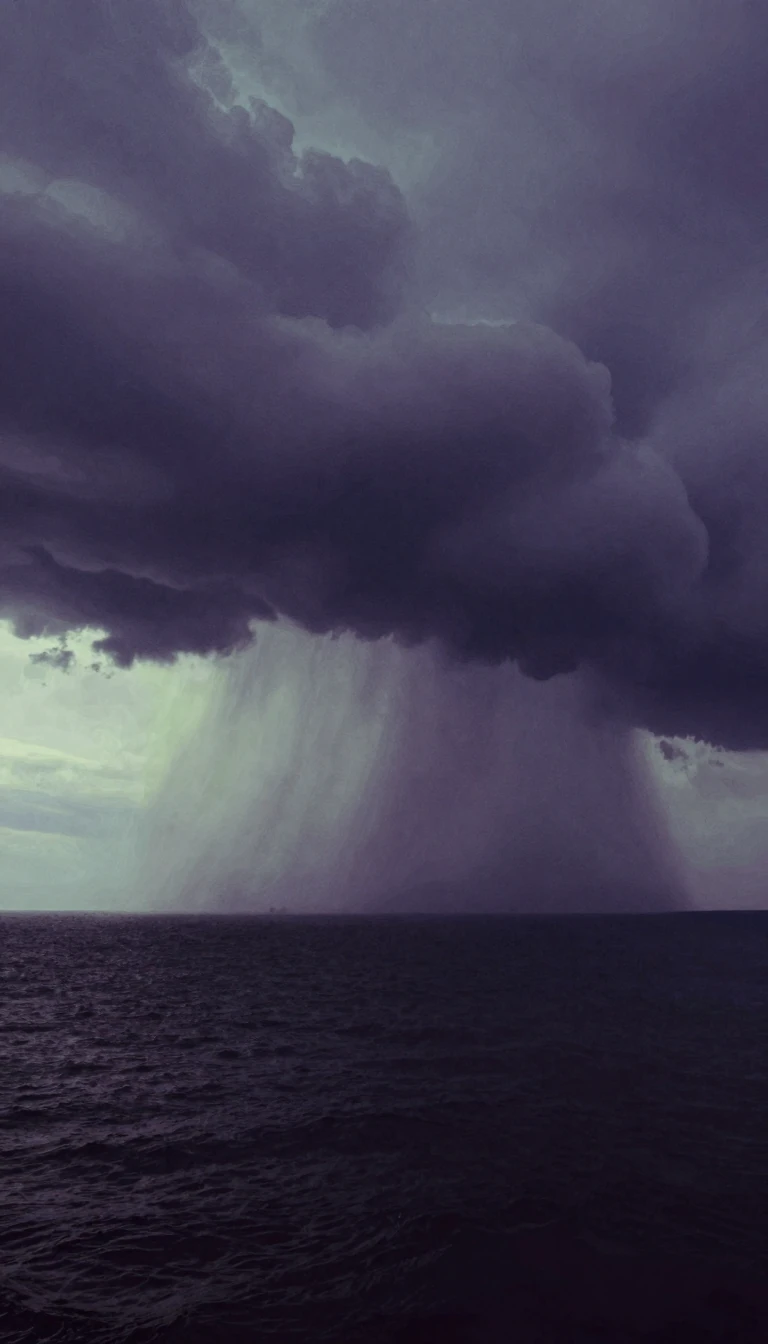
In short: Jacques Cousteau’s The Silent World was a cinematic breakthrough, capturing the ocean in vibrant color for the first time. Yet, behind its groundbreaking visuals lies a troubling legacy of environmental destruction. This documentary, which once captivated the world, now serves as a stark reminder of changing attitudes toward marine life.
Released in 1956, The Silent World was co-directed by Jacques Cousteau and Louis Malle. It was a technical marvel, utilizing underwater cinematography to bring the deep sea to life in color. The production was an immense undertaking, filmed from the ship Calypso across the Mediterranean, Red Sea, Persian Gulf, and Indian Ocean. Over two years, the team captured 25 kilometers of footage, eventually distilling it into a 2.5-kilometer final cut. The film achieved significant acclaim, winning the Palme d'Or at the 1956 Cannes Film Festival and securing the top prize for documentary features at the Academy Awards.
Despite its success, the film is now frequently cited for its reckless treatment of marine ecosystems. During production, the crew engaged in actions that would be considered abhorrent by modern conservation standards. In one instance, the ship struck a whale, leading to the accidental injury of a calf. When sharks gathered around the wounded animal, the crew slaughtered the entire school. In another scene, Cousteau utilized explosives near a coral reef to conduct a census of local marine life. These sequences highlight a period when the natural world was often treated as a resource to be exploited for spectacle rather than protected.
The legacy of the film is complex. While it introduced audiences to the wonders of the underwater world, it also became a focal point for debates on ethical filmmaking. Cousteau himself later shifted his perspective, becoming a prominent figure in marine conservation. Ted Turner even labeled him the father of the environmental movement, reflecting a profound evolution in his relationship with the sea. The film remains a historical touchstone, earning over $3 million in theatrical rentals following its September 1956 release in the United States, and standing as a testament to how far our understanding of environmental stewardship has traveled since the mid-twentieth century.
Opens the Intellect+ feed with this card first. Swipe up for the next one.
Sources
- Summary by Intellect · source: The Silent World
- Also: Wikidata — The Silent World · CC0
- Also: Wikidata — The Silent World · CC0
To cite this card, link to https://intellectplus.co.uk/app/entertainment-the-silent-world.
How we source, check and correct cards: Editorial standards.
General information, not professional advice. Spotted an error? Flag the card or see corrections and complaints.
Intellect Plus is a visual educational discovery platform for exploring fascinating facts and ideas. Brain Food, Not Brain Rot. What is Intellect Plus?
Related
More in Films · More in Entertainment · Latest · A–Z · All topics
