From Italian pasta factories to Hollywood epics, the singular vision of Dino De Laurentiis
In short: Dino De Laurentiis was a titan of cinema who bridged the gap between Italian neorealism and American blockbuster culture. From producing Fellini’s masterpieces to shaping the horror genre and the Hannibal Lecter franchise, his career spanned over 500 films, leaving an indelible mark on the global entertainment industry.
Born in 1919 in Torre Annunziata, Italy, Dino De Laurentiis began his journey in his father’s pasta factory before finding his calling at Rome’s Centro Sperimentale di Cinematografia. By age 20, he was already producing films. His early career was defined by the gritty, influential movement of Italian neorealism, most notably with the 1949 hit Bitter Rice. This film, which starred his future wife Silvana Mangano, became a cultural touchstone so profound that it inspired Willem de Kooning’s 1950 abstract painting, Excavation.
In the 1950s, De Laurentiis collaborated with Carlo Ponti to produce Federico Fellini’s La Strada and The Nights of Cabiria, both of which secured Academy Awards for best foreign-language film. Seeking to expand his reach, he built the Dinocittà studio in 1964. Although this venture eventually faltered due to shifting economic conditions and nationalist restrictions, it set the stage for his pivot to the United States. By the 1970s, he had become a major force in Hollywood, producing iconic films like Serpico, Death Wish, and the 1976 remake of King Kong.
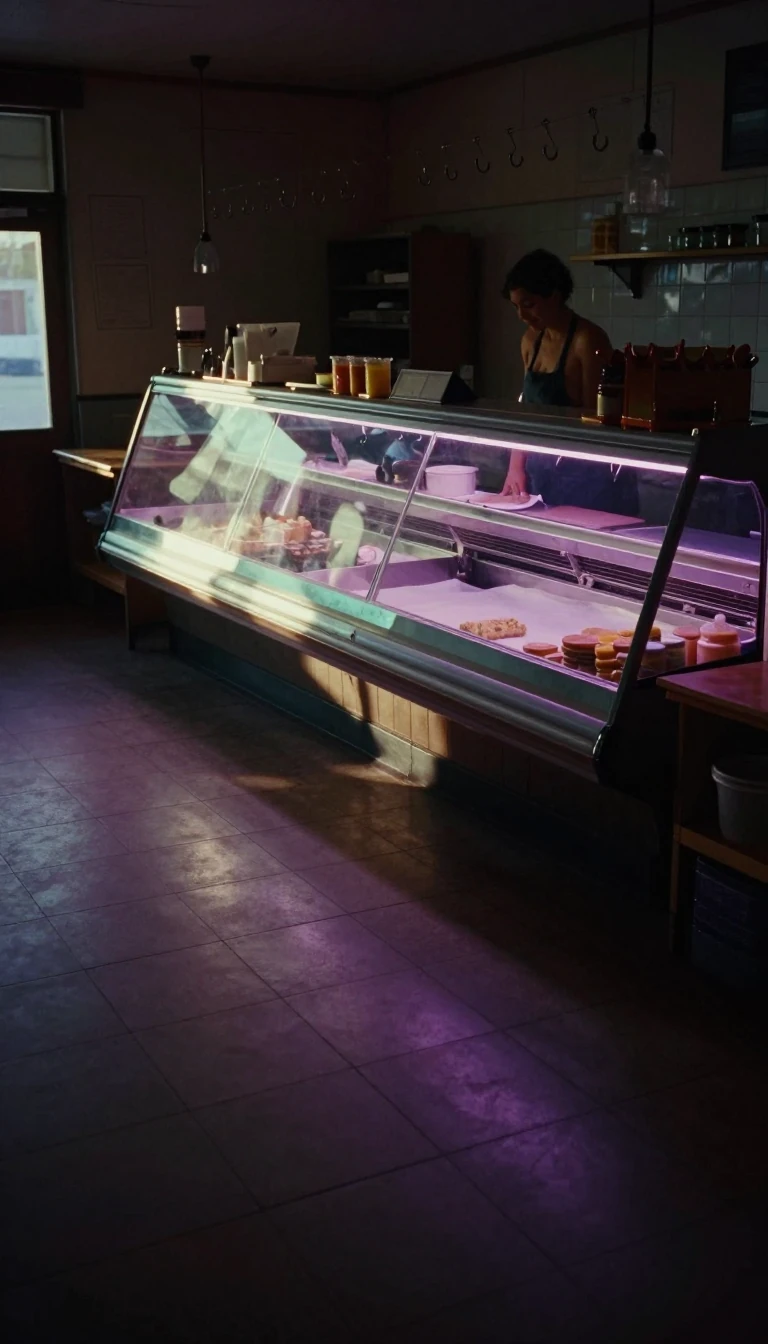
De Laurentiis was known for his restless ambition, which occasionally extended beyond film. In the 1980s, he launched DDL Foodshow, a high-end Italian grocery chain in New York and Beverly Hills. Despite the glamour, the venture struggled with pricing and competition, closing within two years. Undeterred, he continued his cinematic work, founding the De Laurentiis Entertainment Group and later producing the Hannibal Lecter series. In 2001, the Academy of Motion Picture Arts and Sciences honored his lifetime of work with the Irving G. Thalberg Memorial Award, cementing his legacy as a producer who successfully navigated the populist and the cerebral.
His influence remains a subject of study, particularly regarding how he managed the transition from European art-house sensibilities to the commercial demands of American studios. While some of his ventures, like the De Laurentiis Entertainment Group, faced financial collapse, his ability to identify and nurture talent—such as David Lynch—ensured his projects remained culturally relevant. He died in 2010 in Beverly Hills, leaving behind a vast catalog that continues to shape modern genre cinema.
Opens the Intellect+ feed with this card first. Swipe up for the next one.
Sources
- Summary by Intellect · source: Dino De Laurentiis | Biography, Films, & Facts | Britannica
- Also: Dino De Laurentiis
- Also: Art Institute of Chicago — Excavation · CC0 (data); description CC BY 4.0
To cite this card, link to https://intellectplus.co.uk/app/art-dino-de-laurentiis.
How we source, check and correct cards: Editorial standards.
General information, not professional advice. Spotted an error? Flag the card or see corrections and complaints.
Intellect Plus is a visual educational discovery platform for exploring fascinating facts and ideas. Brain Food, Not Brain Rot. What is Intellect Plus?
Related
More in Filmmakers and theatre directors · More in Art · Latest · A–Z · All topics
