How a Hollywood script typist became the most prolific woman director of her era.
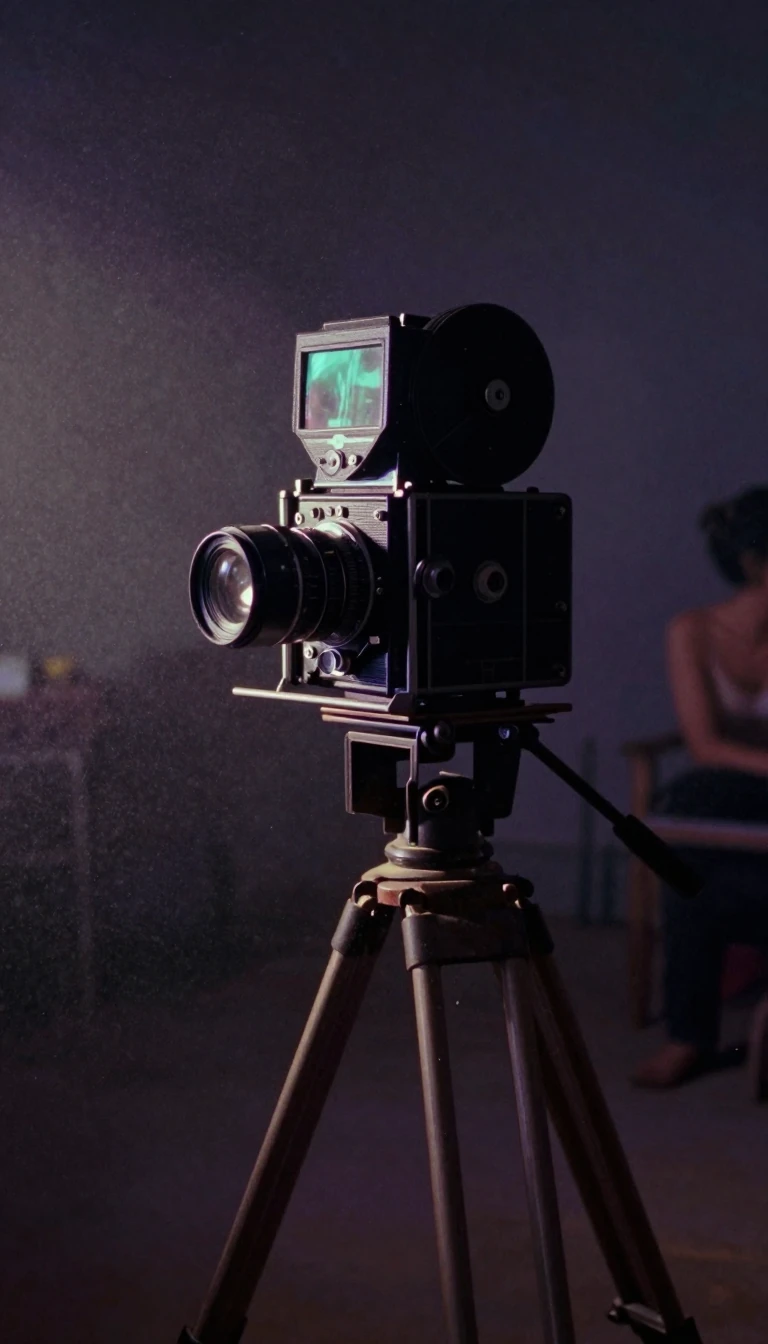
In short: Dorothy Arzner navigated the rigid studio system to become a powerhouse director, sustaining a twenty-year career when few women held such authority. From editing silent classics to pioneering sound cinema, her technical mastery and strategic independence made her an indispensable, albeit singular, figure in the history of American film.
Born in San Francisco and raised in Los Angeles, Dorothy Arzner initially pursued medicine before finding her calling in the burgeoning film industry. Her career began in 1919 at the Famous Players-Lasky Corporation, where she started as a script typist. Her rapid ascent through the ranks—moving from script work to film editing—provided her with a comprehensive understanding of production. By the time she worked on the 1922 film Blood and Sand, she had already cut over fifty movies. Her ingenuity during this production, where she used stock footage to solve filming challenges, marked her as a cost-conscious and capable talent.
Arzner’s transition to directing was a calculated maneuver. Leveraging an offer from Columbia Pictures, she forced Paramount to grant her a directorial role on an 'A' picture. This led to her 1927 debut, Fashions for Women. She subsequently directed four successful silent features before helming The Wild Party in 1929, Paramount’s first sound film. Throughout her tenure, she maintained a reputation for competence and professional autonomy, often choosing her own crews and refusing to compromise her vision. She remained the only woman working as a studio director in Hollywood for much of her career, which spanned from 1927 until her departure in 1943.
Beyond her technical contributions, Arzner’s work has become a focal point for feminist film criticism. Scholars have highlighted her consistent focus on female relationships in films like Dance, Girl, Dance and Working Girls. While some critics in the 1970s labeled her an 'overtly proto-feminist' director, others argue that her legacy is best understood through her professional survival and her influence on actresses such as Katherine Hepburn and Rosalind Russell. After leaving Hollywood, she continued to teach at the Pasadena Playhouse and UCLA, while also directing commercials for Pepsi. Today, her surviving films, preserved by the UCLA Film & Television Archive, continue to offer insight into the creative possibilities for women in the early studio era.
Opens the Intellect+ feed with this card first. Swipe up for the next one.
Sources
- Summary by Intellect · source: Dorothy Arzner – Women Film Pioneers Project
- Also: Dorothy Arzner | UCLA Film & Television Archive
- Also: Dorothy Arzner
To cite this card, link to https://intellectplus.co.uk/app/art-dorothy-arzner.
How we source, check and correct cards: Editorial standards.
General information, not professional advice. Spotted an error? Flag the card or see corrections and complaints.
Intellect Plus is a visual educational discovery platform for exploring fascinating facts and ideas. Brain Food, Not Brain Rot. What is Intellect Plus?
Related
More in Filmmakers and theatre directors · More in Art · Latest · A–Z · All topics
