Did the father of modern architecture actually spend his life obsessed with the Middle Ages?
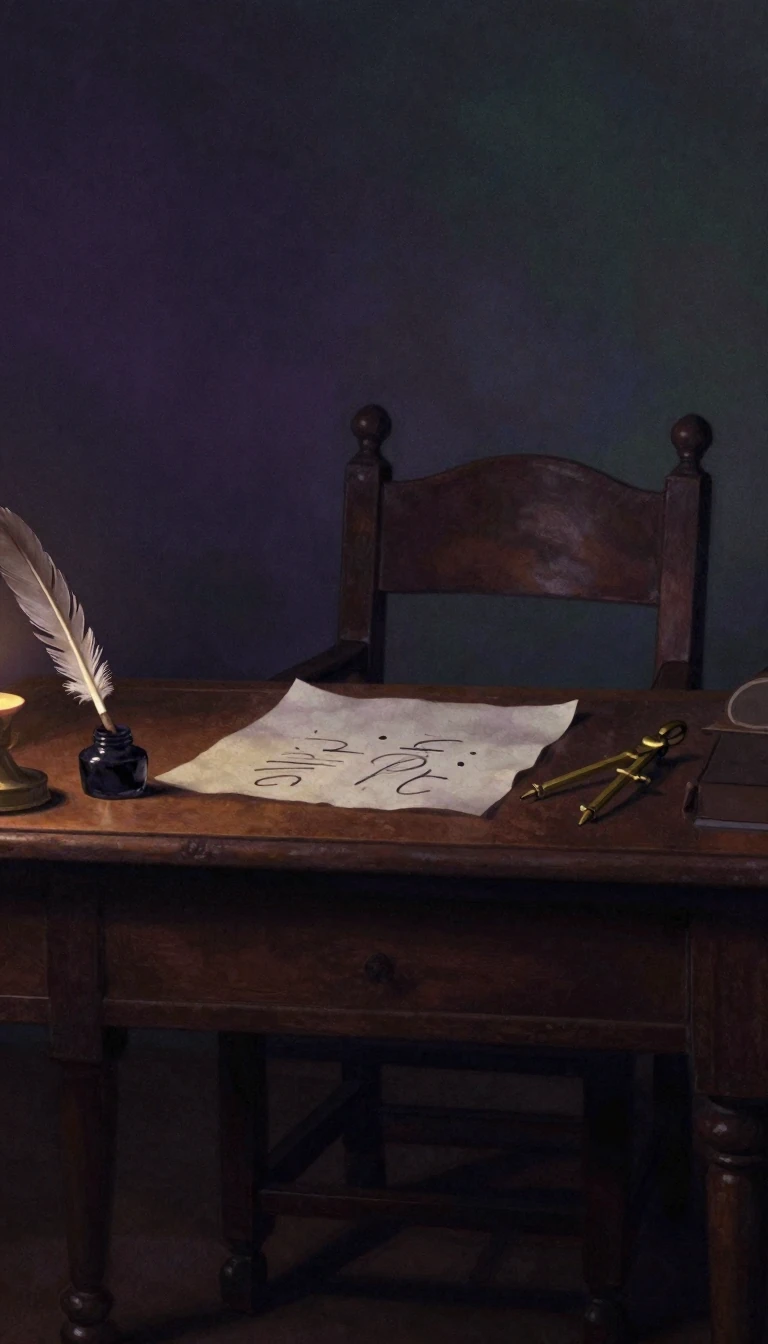
In short: Eugène Viollet-le-Duc is remembered as the visionary who restored Notre-Dame and Carcassonne, yet modernists like Le Corbusier and Frank Lloyd Wright hailed him as their primary inspiration. By championing the logic of form following function, he turned medieval building techniques into the blueprint for the twentieth-century skyscraper.
Born in Paris in 1814, Eugène Viollet-le-Duc rejected the rigid, classical training of the École des Beaux-Arts, preferring to study medieval monuments firsthand. His career began in earnest in 1840 when he was tasked with the seemingly impossible restoration of the crumbling Vézelay Abbey. With no formal schools of restoration to guide him, he pioneered a scientific approach to construction, stabilizing the structure by lightening the roof and redesigning arches to bear weight more effectively. This success launched a prolific career, including the twenty-five-year restoration of Notre-Dame Cathedral, where he rebuilt the spire and added iconic gargoyles and chimeras.
Beyond his physical interventions, Viollet-le-Duc was a prolific writer whose theories on architecture bridged the gap between ancient craft and modern industrial potential. In his influential works, such as the Dictionary of French Architecture and Entretiens sur l'architecture, he argued that a building's design should be dictated by its function and the materials used, rather than adherence to a specific historical style. This philosophy deeply resonated with the Art Nouveau movement and later, the pioneers of modernism. Louis Sullivan, the American architect often credited with the mantra 'form follows function,' drew direct inspiration from these writings.
His influence extended into the political and social spheres of 19th-century France. As a favorite of Napoleon III, he transformed the ruins of Château de Pierrefonds into a neo-Gothic residence, a project that influenced royal architecture across Europe. Despite his academic success, he remained a polarizing figure, often clashing with the traditionalist faculty at the École des Beaux-Arts. Even his later years were marked by turbulence; he served as a colonel of engineers during the Franco-Prussian War and was later condemned to death by the Paris Commune, forcing him into exile in Switzerland. His legacy remains a paradox: a man who dedicated his life to the past while providing the intellectual framework for the future of global architecture.
Opens the Intellect+ feed with this card first. Swipe up for the next one.
Sources
- Summary by Intellect · source: Eugène Viollet-le-Duc
- Also: Art Institute of Chicago — Eugène Viollet-Le-Duc (French architect, 1814-1879) · CC0 (data); description CC BY 4.0
To cite this card, link to https://intellectplus.co.uk/app/art-eug-ne-viollet-le-duc.
How we source, check and correct cards: Editorial standards.
General information, not professional advice. Spotted an error? Flag the card or see corrections and complaints.
Intellect Plus is a visual educational discovery platform for exploring fascinating facts and ideas. Brain Food, Not Brain Rot. What is Intellect Plus?
Related
More in Visual artists · More in Art · Latest · A–Z · All topics
