Why did the 19th century become obsessed with medieval architecture and pointed arches?
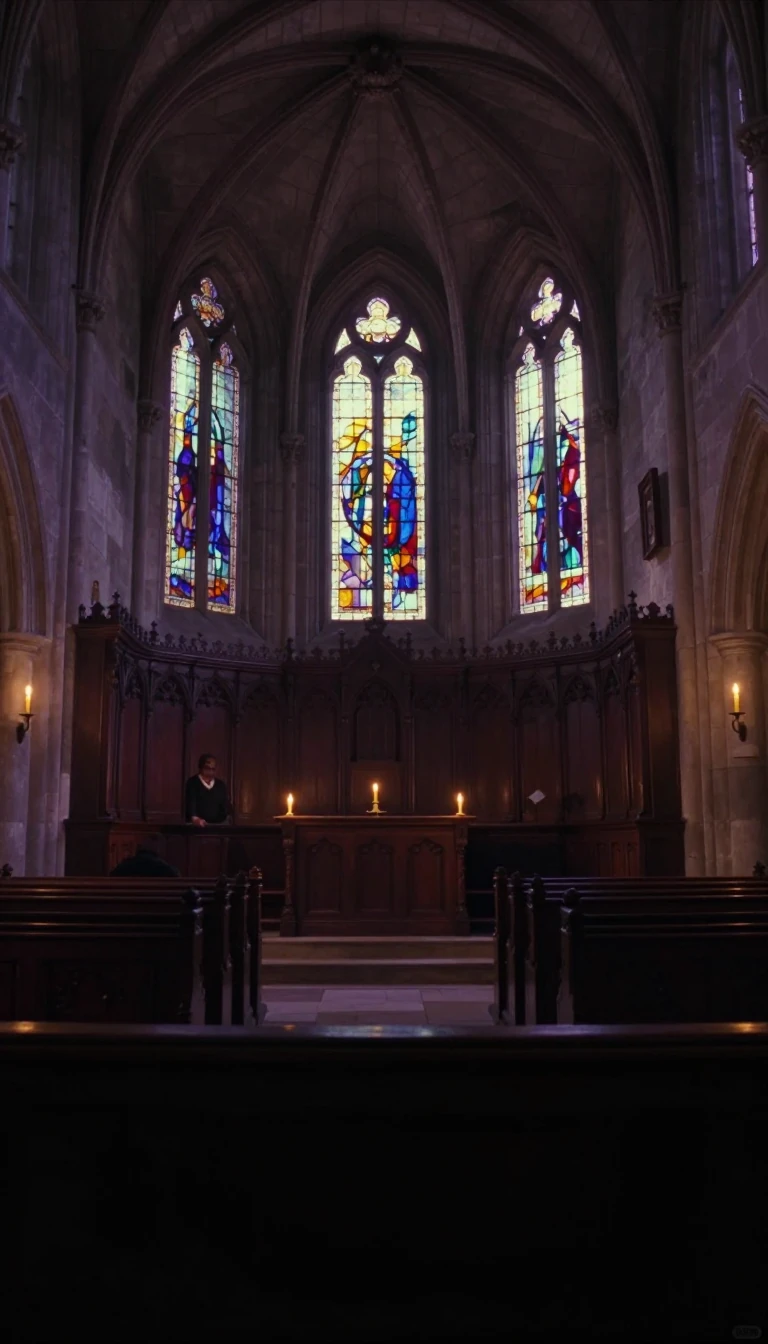
In short: Gothic Revival was more than a design trend; it was a powerful cultural movement. By looking back to the Middle Ages, architects and thinkers sought to reclaim lost Christian values and national identities, transforming city skylines from London to Budapest with dramatic spires, lancet windows, and intricate stone carvings.
The Gothic Revival movement emerged as a reaction against the prevailing neoclassical styles, which were often associated with republicanism and liberalism. Beginning in the 17th century and peaking in the 19th, proponents viewed medieval architecture as a golden age of spiritual and traditional values. Figures like Augustus Pugin saw Gothic design as a necessary antidote to the perceived moral decay of industrialization, using it to champion conservatism and monarchism in government buildings like the Palace of Westminster and the Canadian Parliament.
The movement was deeply intertwined with Romantic nationalism. In England, Germany, and France, architects and scholars claimed the original 12th-century Gothic style as their own national heritage. This fervor led to ambitious projects, such as the completion of the Cologne Cathedral—which became the world's tallest building in the 1880s—and the extensive restoration of French landmarks like Notre-Dame de Paris by Eugène Viollet-le-Duc. These efforts were often supported by literary works, such as Victor Hugo's The Hunchback of Notre-Dame, which helped shift public perception of Gothic structures from barbaric relics to national treasures.
Beyond grand cathedrals and government seats, the aesthetic permeated everyday life. By the mid-19th century, Gothic motifs appeared in everything from wallpaper and ceramic pitchers to British coinage, known as 'Gothic crowns'. While the style began to fade by the 1880s as Modernism gained ground, its influence persisted in 'Collegiate Gothic' architecture for universities well into the 20th century. Today, the movement is recognized not just for its decorative patterns, but as a complex intellectual endeavor that attempted to reconcile the rapid technological shifts of the Victorian era with the perceived stability of the past.
Opens the Intellect+ feed with this card first. Swipe up for the next one.
Sources
- Summary by Intellect · source: Gothic Revival architecture
- Also: Wikidata — Gothic Revival · CC0
- Also: Wikidata — Gothic Revival architecture in Poland · CC0
To cite this card, link to https://intellectplus.co.uk/app/places-gothic-revival-architecture.
How we source, check and correct cards: Editorial standards.
General information, not professional advice. Spotted an error? Flag the card or see corrections and complaints.
Intellect Plus is a visual educational discovery platform for exploring fascinating facts and ideas. Brain Food, Not Brain Rot. What is Intellect Plus?
Related
More in Cities · More in Countries & Cities · Latest · A–Z · All topics
