How a camera became a weapon against the supernatural
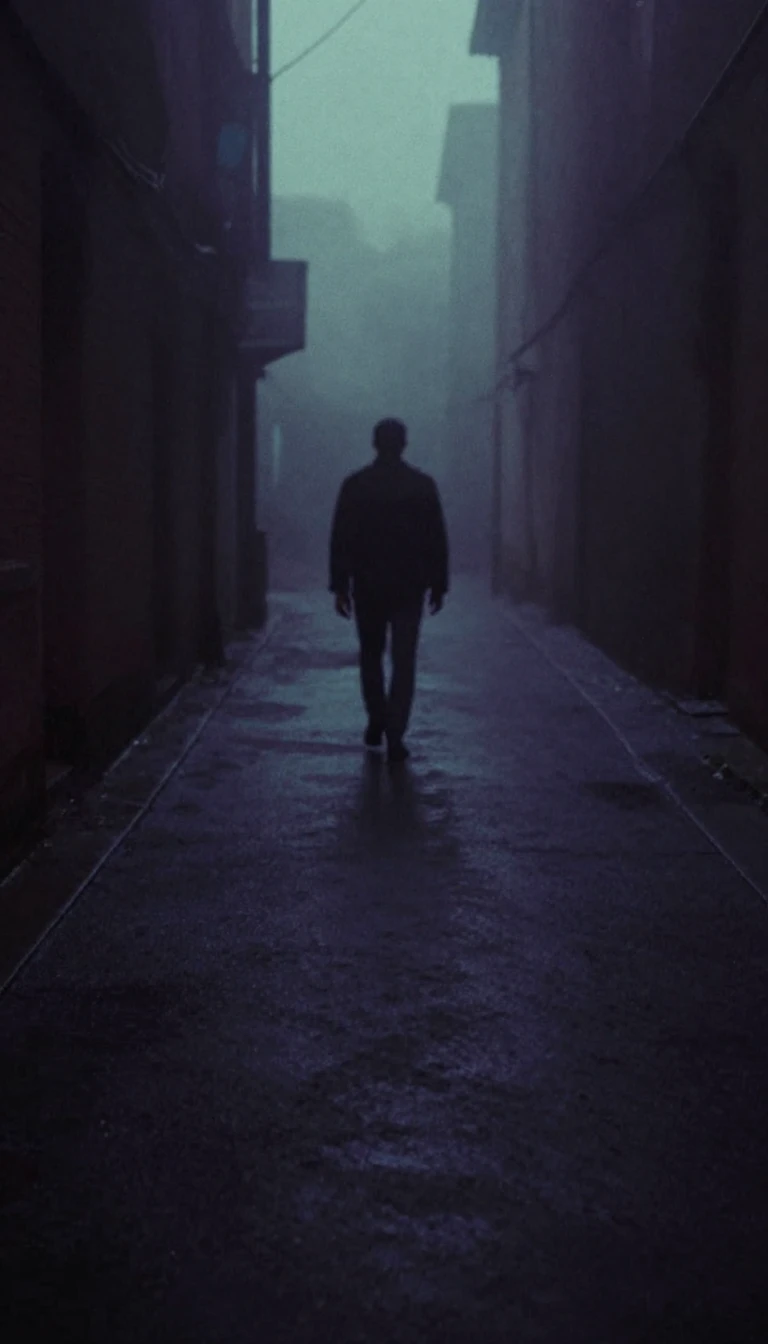
In short: In a genre defined by guns and planks of wood, one Japanese series swapped physical violence for a haunting mechanical twist. By using a camera to capture and pacify spirits, Fatal Frame redefined survival horror, turning the act of observation into the only means of defense.
Conceived by Makoto Shibata and Keisuke Kikuchi after the success of Silent Hill, Fatal Frame (known as Project Zero in the West) sought to create the most frightening experience possible. The developers drew from Shibata's personal spiritual experiences and the aesthetic of Japanese horror cinema. A core mechanic, the Camera Obscura, was not part of the original plan; the team initially intended for players to simply repel ghosts with light. However, they pivoted to an offensive power that allowed players to damage and pacify spirits by capturing them on film.
The gameplay relies on a high-stakes tension between perspective and focus. When the camera is active, the game shifts from a third-person view to a first-person perspective. Players must lock onto ghosts, but because spirits fade in and out of existence, maintaining focus is difficult. The most powerful move, the 'Fatal Frame,' requires the player to take a photo at the exact moment a ghost's attack lands. This mechanic was praised by critics for breaking away from traditional combat tropes and providing a unique spin on the survival horror genre.
The series is noted for its frequent use of female protagonists, a choice explained by the developers as a way to convey fear without relying on traditional violence. They believed women were more spiritually aware than men, fitting the series' atmospheric tone. While individual titles have seen modest sales, the franchise has sold over 1.3 million copies worldwide as of 2014. It remains a staple of the genre, often cited alongside Resident Evil and Silent Hill as one of the most significant horror series in gaming history.
The series is characterized by its self-contained stories, usually set in abandoned Japanese mansions during the 1980s. While the games are not numbered—reflecting the creators' view of them as standalone experiences—they share recurring elements like the occultist Dr. Kunihiko Asou and the recurring protagonist Miku Hinasaki. The franchise has also expanded into manga, live-action films, and even pachislot machines, cementing its legacy in Japanese pop culture.
Opens the Intellect+ feed with this card first. Swipe up for the next one.
Sources
- Summary by Intellect · source: Fatal Frame
To cite this card, link to https://intellectplus.co.uk/app/art-fatal-frame.
How we source, check and correct cards: Editorial standards.
General information, not professional advice. Spotted an error? Flag the card or see corrections and complaints.
Intellect Plus is a visual educational discovery platform for exploring fascinating facts and ideas. Brain Food, Not Brain Rot. What is Intellect Plus?
Related
More in Entertainers · More in Art · Latest · A–Z · All topics
