From Tarpaper Shacks to Digital Libraries: The Evolution of the Modern Film Studio
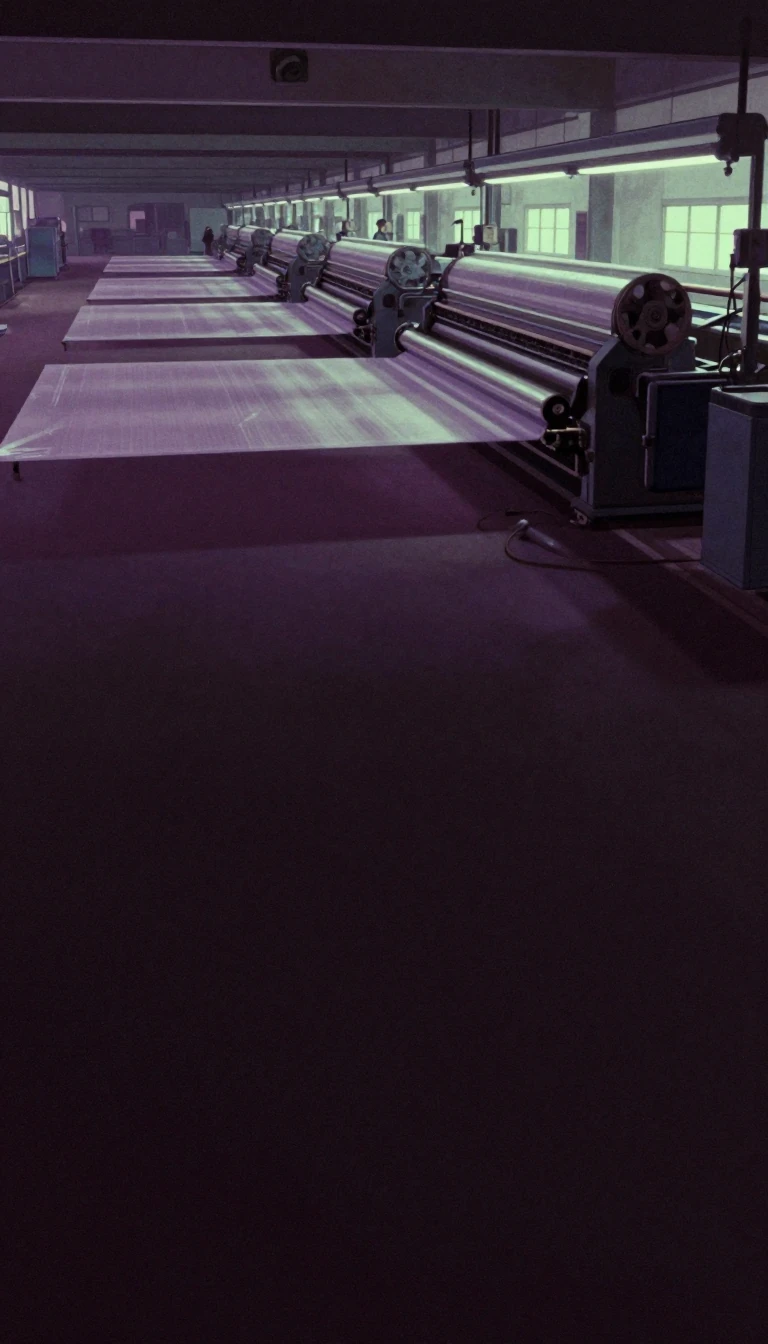
In short: A film studio is rarely just a physical space today. While early pioneers built tarpaper structures to capture sunlight, modern production relies on complex digital location libraries and logistical support. Understanding the shift from the monopolistic studio system to today's agile, decentralized model reveals how cinema truly functions.
The concept of the film studio has undergone a radical transformation since 1893, when Thomas Edison constructed the Black Maria in New Jersey. Initially, studios were defined by their physical infrastructure, designed to harness natural sunlight for early cameras. By the 1910s, producers migrated to Southern California to escape the reach of Edison’s patent-enforcement detectives and to benefit from more favorable local court rulings. This migration laid the groundwork for the Golden Age, where eight major studios—including Warner Bros. and Paramount—exercised near-total control over production, distribution, and exhibition.
During the peak of the studio system in the 1930s and 1940s, these conglomerates vertically integrated the entire industry, keeping talent under strict long-term contracts. This dominance was eventually dismantled by the 1948 Supreme Court ruling in United States v. Paramount Pictures Inc., which declared such monopolies illegal. The rise of television in the 1950s further forced studios to pivot, leading many to repurpose their facilities for broadcast programming. Today, the term studio often refers to a financing and distribution entity rather than a physical lot.
In the contemporary landscape, the focus has shifted toward logistical agility. Modern entities, such as the City of London Film Office, now provide essential support for productions, offering digital libraries that catalog diverse locations ranging from historic landmarks to modern architecture. By partnering with services like SuperScout, these offices help filmmakers navigate complex permissions, road closures, and drone regulations. This evolution highlights a move away from the self-contained studio lot toward a model where the entire world serves as a potential, highly managed set.
Opens the Intellect+ feed with this card first. Swipe up for the next one.
Sources
- Summary by Intellect · source: Filming
- Also: Film studio
To cite this card, link to https://intellectplus.co.uk/app/art-film-studio.
How we source, check and correct cards: Editorial standards.
General information, not professional advice. Spotted an error? Flag the card or see corrections and complaints.
Intellect Plus is a visual educational discovery platform for exploring fascinating facts and ideas. Brain Food, Not Brain Rot. What is Intellect Plus?
Related
More in Film and television · More in Art · Latest · A–Z · All topics
