How a cartel of film patents accidentally birthed the Hollywood studio system
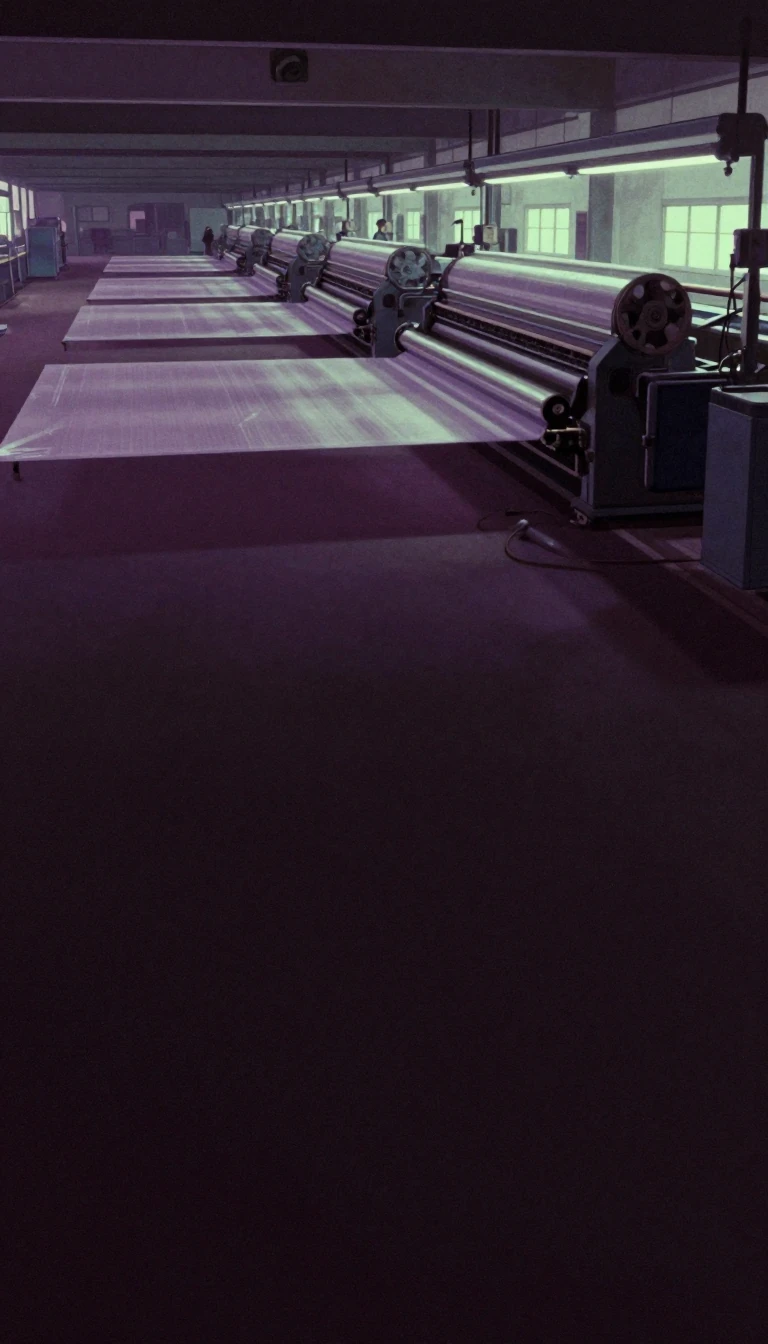
In short: In 1908, a powerful trust monopolized American filmmaking, forcing independent directors to flee to California to escape patent lawsuits. This exodus inadvertently laid the foundation for the very studio system that would dominate cinema for decades, creating a cycle of control and rebellion that defines independent film today.
The early 20th century was defined by the Motion Picture Patents Company, or the Edison Trust, which held a stranglehold on film production through patents on raw film and cameras. By 1910, directors like D.W. Griffith were filming in Hollywood to evade the Trust's reach. While Supreme Court rulings in 1912 and 1915 eventually dismantled the Trust, the damage was done; the independent filmmakers who had migrated west had already established the infrastructure for the classical Hollywood studio system.
As the studio system grew, filmmakers sought new ways to maintain creative autonomy. In 1916, the Lincoln Motion Picture Company became the first studio owned by independent filmmakers. By 1919, stars like Mary Pickford and Charlie Chaplin formed United Artists to control their own work, though the company struggled as feature films became costlier. By the 1940s, the Society of Independent Motion Picture Producers (SIMPP) emerged to challenge the major studios' monopolistic control over theaters, leading to the 1948 Paramount Decision, which forced studios to sell their theater chains.
The 1950s and 60s saw a shift toward low-budget, independent filmmaking, fueled by portable cameras and the rise of the youth market. Directors like Roger Corman pioneered a model of extreme frugality, producing up to seven films a year. This era also saw the rise of avant-garde artists and the 'New Hollywood' generation, including Francis Ford Coppola and George Lucas. While these filmmakers were often viewed as independent, many eventually integrated into the studio system, using studio financing and distribution to achieve wide releases, effectively saving the major studios from financial ruin while redefining the boundaries of commercial cinema.
Opens the Intellect+ feed with this card first. Swipe up for the next one.
Sources
- Summary by Intellect · source: Independent film
To cite this card, link to https://intellectplus.co.uk/app/art-independent-film.
How we source, check and correct cards: Editorial standards.
General information, not professional advice. Spotted an error? Flag the card or see corrections and complaints.
Intellect Plus is a visual educational discovery platform for exploring fascinating facts and ideas. Brain Food, Not Brain Rot. What is Intellect Plus?
Related
More in Film and television · More in Art · Latest · A–Z · All topics
