The final, desperate three-week act of the Nazi regime in a naval school
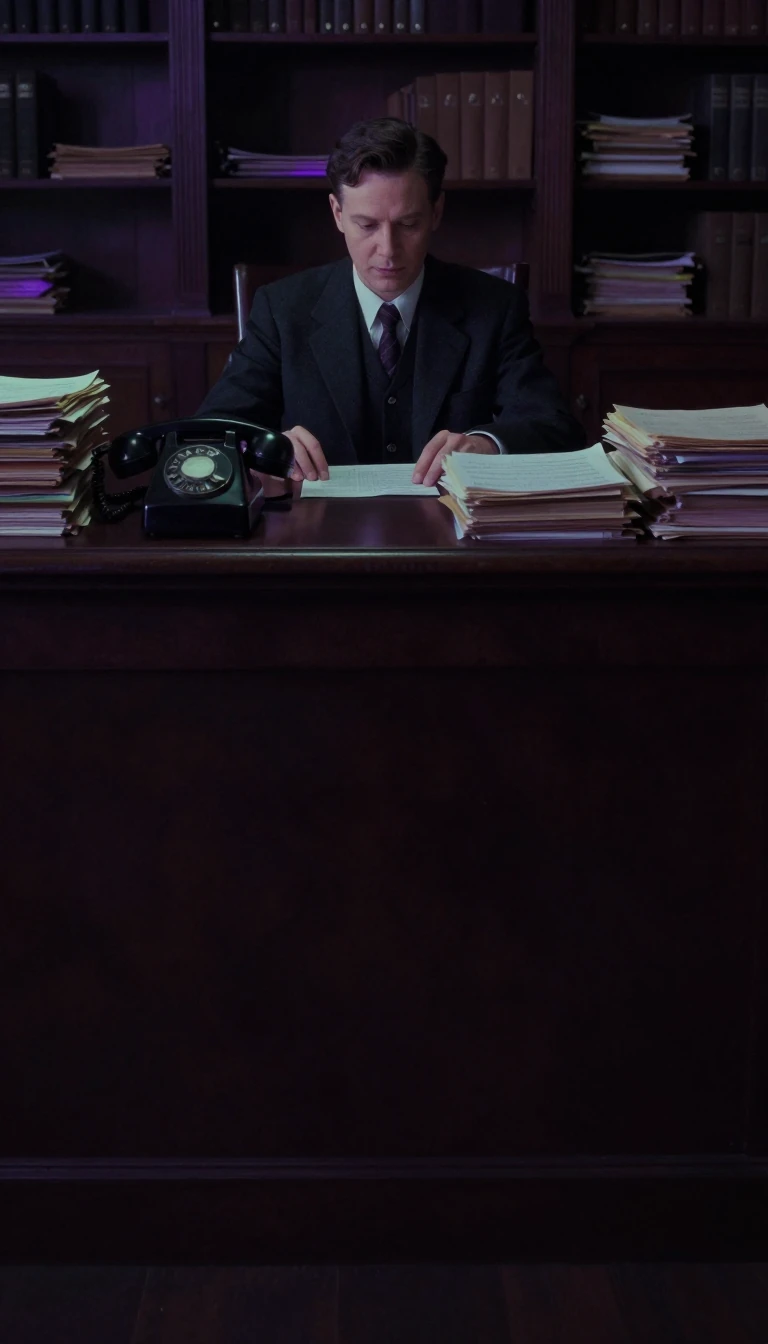
In short: Following Hitler's suicide in 1945, a rump government emerged in Flensburg, Germany. Led by Grand Admiral Karl Dönitz, this administration attempted to navigate a collapsing nation while desperately seeking to split the Allies. It was a bizarre, short-lived final chapter for a regime that had already lost control of its territory.
Formed on May 3, 1945, the Flensburg Government operated from a sports school at the Mürwik Naval Academy. This administration, often called the Dönitz Government, lacked any constitutional legitimacy. While the Weimar Constitution remained technically in force, the cabinet was never elected, and its formation bypassed established legal processes. By the time it began, the regime's effective reach was limited to a narrow corridor of German land, as Allied forces had already severed the country in two.
The cabinet was a collection of holdovers and new appointees, including figures deeply complicit in the regime's atrocities. Herbert Backe, the architect of the 1941 Hunger Plan, remained in his post, while others like Wilhelm Stuckart, a participant in the 1942 Wannsee Conference, were brought in to fill roles. Despite Dönitz's later claims that his government was unpolitical, his selections were heavily influenced by a shared, virulent opposition to Bolshevism. The administration maintained Nazi protocol, including the use of the 'Heil Hitler' greeting, until its final days.
Dönitz’s primary objective was to negotiate partial surrenders with Western Allies while continuing the war against the Soviet Union, hoping to create an anti-Bolshevik front. This strategy failed, as the Allies demanded total capitulation. The government's existence was marked by internal chaos, including the presence of SS leaders who remained loyal to Heinrich Himmler until Dönitz dismissed him on May 6. The administration ceased to function after the May 8 surrender and was formally dissolved on May 23, 1945, when British troops arrested the cabinet members as prisoners of war.
The legacy of this period is also defined by the tragic fate of concentration camp prisoners. Around 10,000 inmates were held on ships in the Bay of Lübeck under SS control. Despite being aware of their presence, the Flensburg government took no action to secure their release. On May 3, 1945, the Royal Air Force mistakenly bombed the flotilla, resulting in the deaths of over 7,000 prisoners, an event the government subsequently avoided acknowledging.
Opens the Intellect+ feed with this card first. Swipe up for the next one.
Sources
- Summary by Intellect · source: Flensburg Government
To cite this card, link to https://intellectplus.co.uk/app/art-flensburg-government.
How we source, check and correct cards: Editorial standards.
General information, not professional advice. Spotted an error? Flag the card or see corrections and complaints.
Intellect Plus is a visual educational discovery platform for exploring fascinating facts and ideas. Brain Food, Not Brain Rot. What is Intellect Plus?
Related
More in Visual arts · More in Art · Latest · A–Z · All topics
