Why the end of the 19th century felt like a total societal collapse
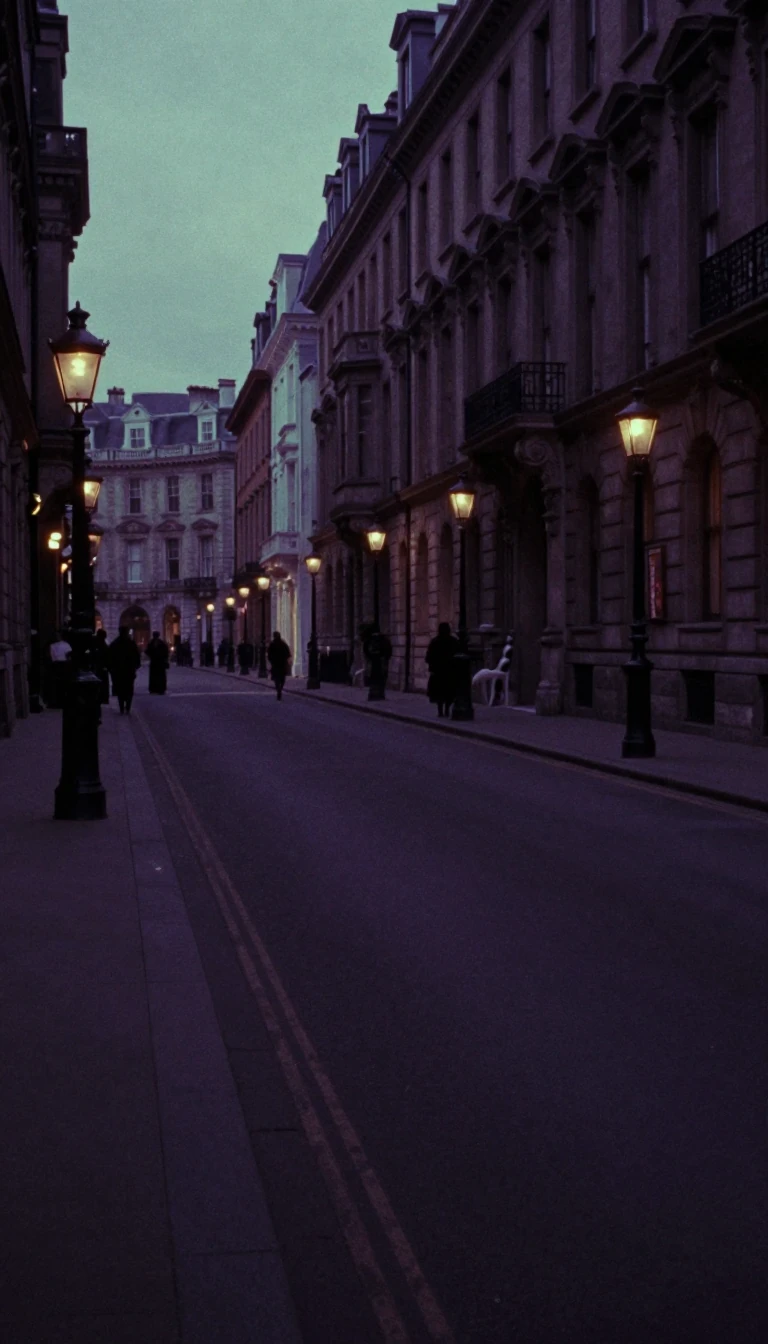
In short: The fin de siècle was more than just a calendar event. It was a cultural fever dream defined by pessimism, decadence, and a desperate search for meaning. As the 1890s closed, artists and thinkers became obsessed with the idea that civilization was decaying, leading to a radical break from the past.
The term fin de siècle, meaning 'end of century', captured a pervasive sense of anxiety that gripped Europe during the 1880s and 1890s. While it originated in France, the movement’s hallmarks—ennui, cynicism, and a belief in inevitable decadence—spread internationally. This era was characterized by a profound rejection of Victorian rationalism, positivism, and liberal democracy. Instead, the generation embraced emotionalism, subjectivism, and vitalism, viewing their society as being in a state of crisis that demanded a total, often utopian, solution.
Central to this mindset was the theory of degeneration, popularized by figures like Max Nordau. This theory posited that societies could regress due to environmental or hereditary flaws, manifesting in 'egomania' and 'mysticism'. These ideas deeply influenced the arts, where Decadents and Aesthetes like Oscar Wilde rejected moral instruction in favor of evoking raw emotional responses. They found beauty in the unnatural and the abject, moving away from Romanticism toward symbolism and artifice. This shift was reflected in literature, with works like Bram Stoker’s 'Dracula' (1897) and H. G. Wells’ 'The Time Machine' (1895) exploring themes of mutation and corruption.
Beyond culture, the era’s political climate was equally volatile. The period saw the birth of geopolitics, driven by the belief that technological change and imperialist competition had extinguished the world's frontiers, creating a 'closed political system'. This anxiety manifested in a massive appetite for 'future war' narratives, which served as both entertainment and political advocacy. By the time the 19th century drew to a close, the fin de siècle had become a 'semiotic' era where every event was interpreted as a harbinger of cataclysmic upheaval, setting the stage for the radical discontinuities of the 20th century.
Opens the Intellect+ feed with this card first. Swipe up for the next one.
Sources
- Summary by Intellect · source: Fin de siècle
To cite this card, link to https://intellectplus.co.uk/app/art-fin-de-si-cle.
How we source, check and correct cards: Editorial standards.
General information, not professional advice. Spotted an error? Flag the card or see corrections and complaints.
Intellect Plus is a visual educational discovery platform for exploring fascinating facts and ideas. Brain Food, Not Brain Rot. What is Intellect Plus?
Related
More in Visual arts · More in Art · Latest · A–Z · All topics
