George Lilanga transformed traditional Makonde carvings into a vibrant, globally recognized contemporary art style.
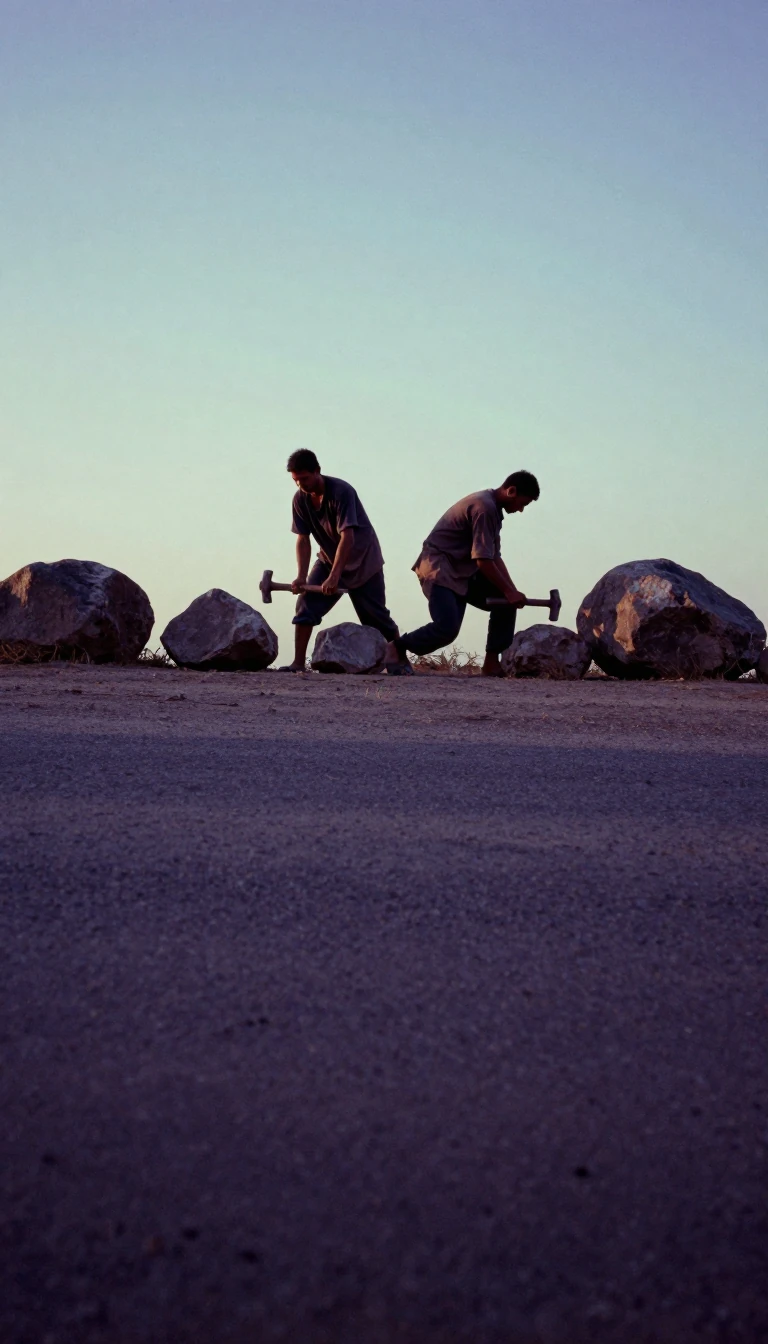
In short: Tanzanian artist George Lilanga took the traditional wooden Shetani figures of his Makonde heritage and reimagined them as colorful, ironic, two-dimensional paintings. His work became a global sensation, influencing international artists like Keith Haring, yet the massive volume of pieces bearing his name today hides a complex, collaborative reality.
Born in 1934 in southern Tanzania, George Lilanga spent his early years immersed in the Makonde tradition of carving wooden sculptures. After moving to Dar es Salaam in 1970, he began working at the Nyumba ya Sanaa cultural centre. It was here that his artistic trajectory shifted; exposed to modern influences, he moved away from the natural wood textures favored by traditional sculptors. Instead, he began painting his signature Shetani—fantastic, devil-like creatures—in bright, enamel colors on materials ranging from Masonite panels to goatskin and canvas.
Lilanga’s rise to international prominence was rapid. By 1978, his work was featured in a major Washington D.C. exhibition where he was compared to Jean Dubuffet. His influence even reached American graffiti artists, with Keith Haring explicitly citing Lilanga as an inspiration. As his fame grew, so did the scale of his output. In the 1990s, he began producing large-scale canvases, while also returning to sculpture with vividly painted wooden carvings. His work eventually entered prestigious collections, including the Contemporary African Art Collection of Jean Pigozzi.
The final decade of Lilanga’s life was marked by severe health struggles, including diabetes and the amputation of both legs by December 2000. To maintain production, he established an atelier where he supervised young pupils and relatives. This collaborative structure complicates the provenance of his later work. Because hundreds of pieces are attributed to him, experts note that he could not have physically crafted them all. Today, the 'Lilanga' label often functions as a brand, with various artists continuing to produce work in his distinct style, leaving collectors to navigate a legacy that is as much about a collective workshop as it is about the man himself.
Opens the Intellect+ feed with this card first. Swipe up for the next one.
Sources
- Summary by Intellect · source: George Lilanga
To cite this card, link to https://intellectplus.co.uk/app/art-george-lilanga.
How we source, check and correct cards: Editorial standards.
General information, not professional advice. Spotted an error? Flag the card or see corrections and complaints.
Intellect Plus is a visual educational discovery platform for exploring fascinating facts and ideas. Brain Food, Not Brain Rot. What is Intellect Plus?
Related
More in Visual artists · More in Art · Latest · A–Z · All topics
