The Baroque master who vanished for centuries before being rediscovered by a Nazi curator
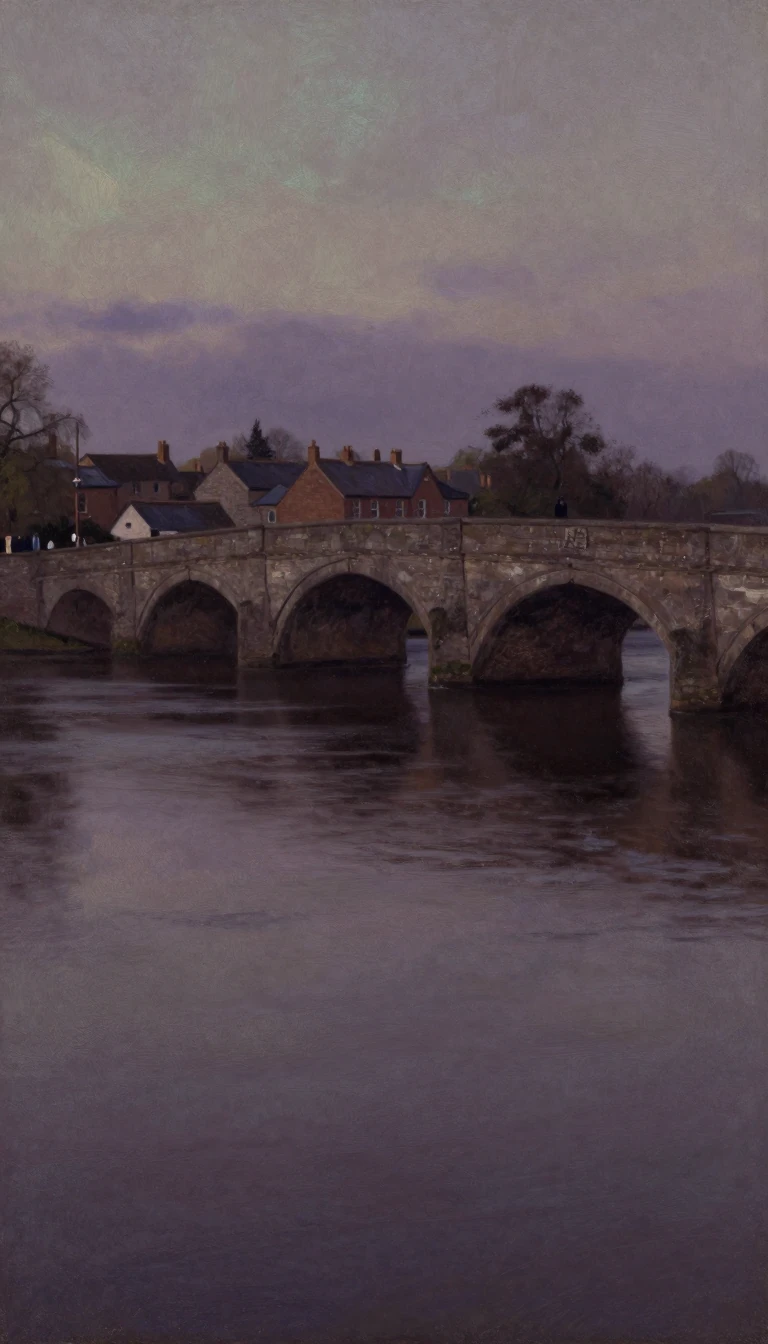
In short: Georges de La Tour was a celebrated French painter whose candlelit religious scenes defined the Baroque era. Yet, after his death in 1652, his name slipped into total obscurity. It took until 1915 for his work to be identified again, revealing a genius who had been hiding in plain sight.
Born in 1593 in the Diocese of Metz, Georges de La Tour spent most of his career in the Duchy of Lorraine. While his early life remains somewhat mysterious, he likely traveled to Italy or the Netherlands, absorbing the naturalism of Caravaggio through Northern intermediaries like the Utrecht School. By 1620, he had settled in Lunéville, where he achieved local affluence and served as 'Painter to the King' of France by 1638.
La Tour is best known for his mastery of chiaroscuro—the dramatic interplay of light and shadow. Unlike Caravaggio, whose work often crackled with theatrical intensity, La Tour’s later religious paintings are defined by a profound, geometric stillness. He frequently revisited the same subjects, creating variations that make it difficult for modern experts to distinguish his hand from that of his son and pupil, Étienne, or the mysterious 'Hurdy-gurdy Master.'
The artist’s legacy suffered a strange fate. Following his death during a 1652 epidemic, he was largely forgotten, with some of his works even misattributed to Vermeer during the nineteenth century. His rediscovery in 1915 by Hermann Voss—a German historian who would later lead the Führermuseum—restored his reputation. Today, he is recognized as a singular figure who transformed the genre-painting techniques of the Dutch Caravaggisti into a contemplative, spiritual visual language.
His influence has since permeated modern literature, inspiring writers such as André Malraux and René Char. Despite his relatively small surviving output, La Tour remains a subject of intense scholarly scrutiny, with experts continuing to debate the attribution of his works and the precise nature of his artistic evolution from secular genre scenes to the quiet, candlelit devotionals that define his enduring legacy.
Opens the Intellect+ feed with this card first. Swipe up for the next one.
Sources
- Summary by Intellect · source: Georges de La Tour
To cite this card, link to https://intellectplus.co.uk/app/art-georges-de-la-tour.
How we source, check and correct cards: Editorial standards.
General information, not professional advice. Spotted an error? Flag the card or see corrections and complaints.
Intellect Plus is a visual educational discovery platform for exploring fascinating facts and ideas. Brain Food, Not Brain Rot. What is Intellect Plus?
Related
More in Visual artists · More in Art · Latest · A–Z · All topics
