Gouache is the opaque, versatile medium that bridges watercolor and oil painting techniques.
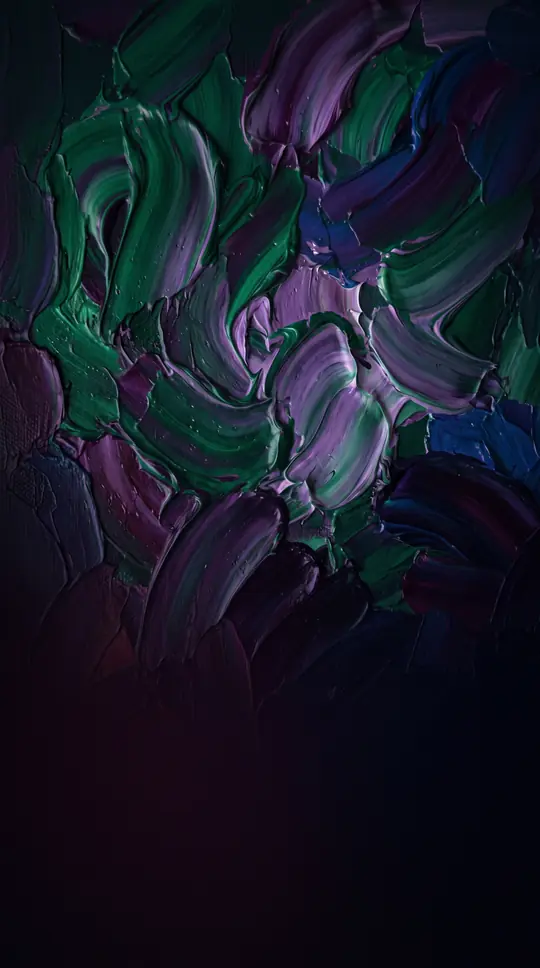
In short: Often mistaken for standard watercolor, gouache is a unique, heavy-bodied medium defined by its opacity and matte finish. Used for twelve centuries, it has evolved from ancient Egyptian applications to the vibrant, surrealist masterpieces of the twentieth century, proving itself as an essential tool for both commercial design and fine art.
Gouache, derived from the Italian word for mud, is a water-based paint composed of pigment, water, and a binding agent like gum arabic or dextrin. Unlike transparent watercolor, it is designed to be opaque, a quality achieved by using larger pigment particles and adding inert fillers like chalk. This composition makes it heavier and more reflective, allowing artists to layer light over dark—a technique that is notoriously difficult with traditional watercolor.
The medium's history is vast, spanning from ancient Egyptian painting to the intricate Persian and Mughal miniatures. By the eighteenth century, it was frequently used in France for fine detailing in pastel works. The nineteenth century brought industrialization, with the invention of paint tubes in 1841 and the introduction of 'Chinese white' to artist palettes. Later, the development of cheaper dextrin-based 'poster paint' made the medium accessible for mass-produced commercial work, including twentieth-century animation cels.
Beyond traditional brushwork, gouache has been adapted for airbrushing and even cut-paper collages, such as the famous 'gouaches découpées' by Henri Matisse. Modern variations include acrylic gouache, which uses an acrylic binder to create a water-resistant, matte surface upon drying. Artists like Joan Miró and Salvador Dalí utilized the medium's unique properties to construct surreal, imaginative worlds, often blending it with other materials like graphite or oil to achieve complex, layered effects that transcend the limitations of standard water-based paints.
Opens the Intellect+ feed with this card first. Swipe up for the next one.
Sources
- Summary by Intellect · source: Gouache
- Also: Ciphers and Constellations in Love with a Woman
- Also: Art Institute of Chicago — Mae West's Face which May be Used as a Surrealist Apartment · CC0 (data); description CC BY 4.0
To cite this card, link to https://intellectplus.co.uk/app/art-gouache.
How we source, check and correct cards: Editorial standards.
General information, not professional advice. Spotted an error? Flag the card or see corrections and complaints.
Intellect Plus is a visual educational discovery platform for exploring fascinating facts and ideas. Brain Food, Not Brain Rot. What is Intellect Plus?
Related
More in Visual arts · More in Art · Latest · A–Z · All topics
