Is the secret to perfect glass art hidden in your family tree?
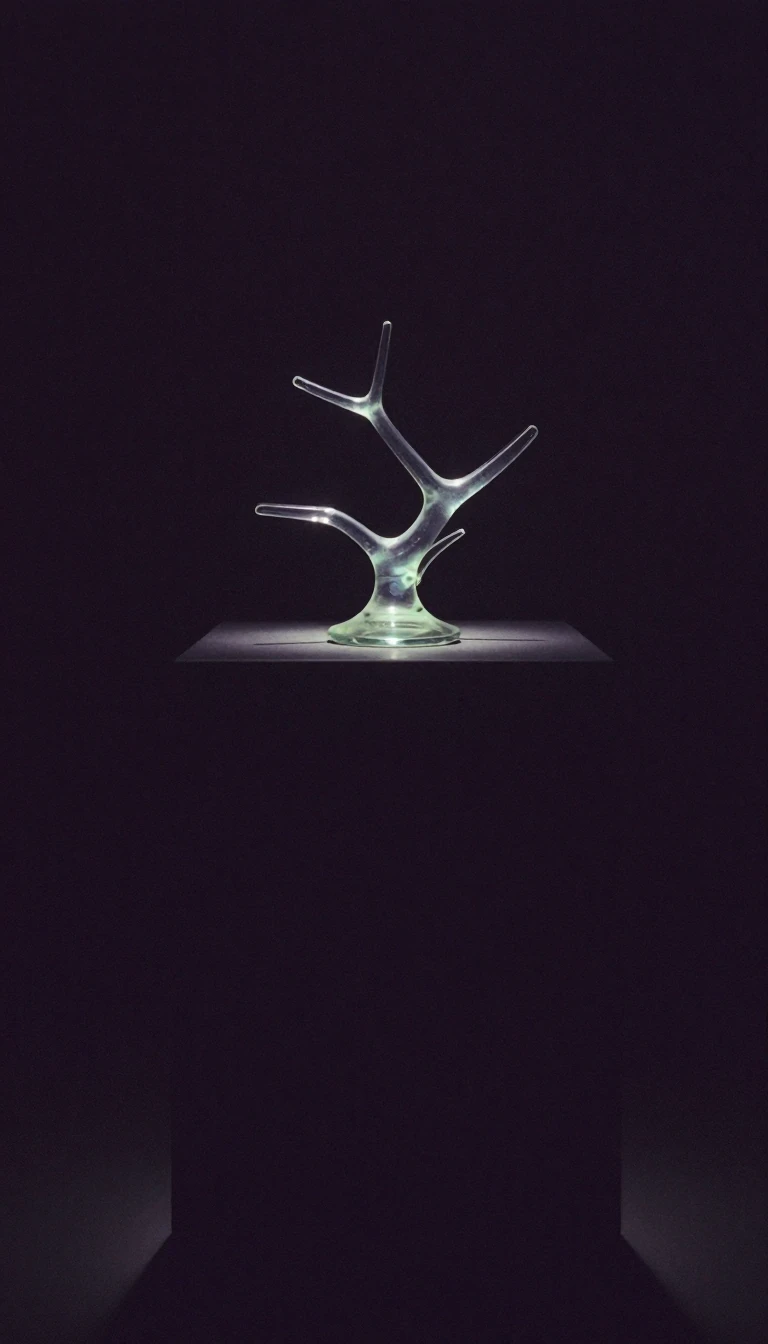
In short: For decades, rumors persisted that Bohemian lampworkers Leopold and Rudolf Blaschka possessed a secret, unreplicable method for creating their anatomically flawless glass botanical and marine models. The truth, according to the artists themselves, was far more poetic: it was not a hidden apparatus, but a generational inheritance of touch.
The Blaschkas produced thousands of glass models between 1863 and 1936, including the famous Glass Flowers at Harvard. While observers attributed their precision to a mysterious technique, Leopold Blaschka insisted in 1889 that their success was the result of a lineage of glassworkers, where passion and skill were refined over generations. When Rudolf died childless in the mid-20th century, this specific family touch vanished, fueling the myth of a lost secret.
Glass art has evolved from ancient functional vessels in Egypt and Assyria to a diverse modern medium. While early techniques like millefiori date to Roman times, the 19th and 20th centuries introduced revolutionary shifts. The 1851 Crystal Palace showcased glass as a structural material, while the 1970s studio glass movement liberated artists from factory settings, allowing for smaller, personalized production runs. Today, techniques range from traditional lampworking and engraving to modern innovations like 3D glass printing and knitted glass.
The medium remains a blend of technical mastery and artistic expression. Whether through the delicate, custom-fitted glass couture of the late 20th century or the massive, light-integrated panels of contemporary installations, artists continue to push the material's limits. Institutions like the Corning Museum of Glass, which holds over 45,000 objects, preserve this history, ensuring that even as methods like acid etching give way to safer abrasive techniques, the legacy of glass as a fine art form endures.
Modern creators now utilize everything from kiln-casting to flame-working to achieve their visions. The 2015 G3DP project at MIT even demonstrated the potential for 3D-printed glass, though hand-tuning remains necessary for these one-off sculptures. From the classic paperweights of the 1845–1870 period to the contemporary sculptures of artists like Guillaume Bottazzi, glass art continues to transform from a utilitarian necessity into a profound medium for human creativity.
Opens the Intellect+ feed with this card first. Swipe up for the next one.
Sources
- Summary by Intellect · source: Glass art
To cite this card, link to https://intellectplus.co.uk/app/art-glass-art.
How we source, check and correct cards: Editorial standards.
General information, not professional advice. Spotted an error? Flag the card or see corrections and complaints.
Intellect Plus is a visual educational discovery platform for exploring fascinating facts and ideas. Brain Food, Not Brain Rot. What is Intellect Plus?
Related
More in Visual arts · More in Art · Latest · A–Z · All topics
