The French master of suspense who turned dread into a cinematic art form.
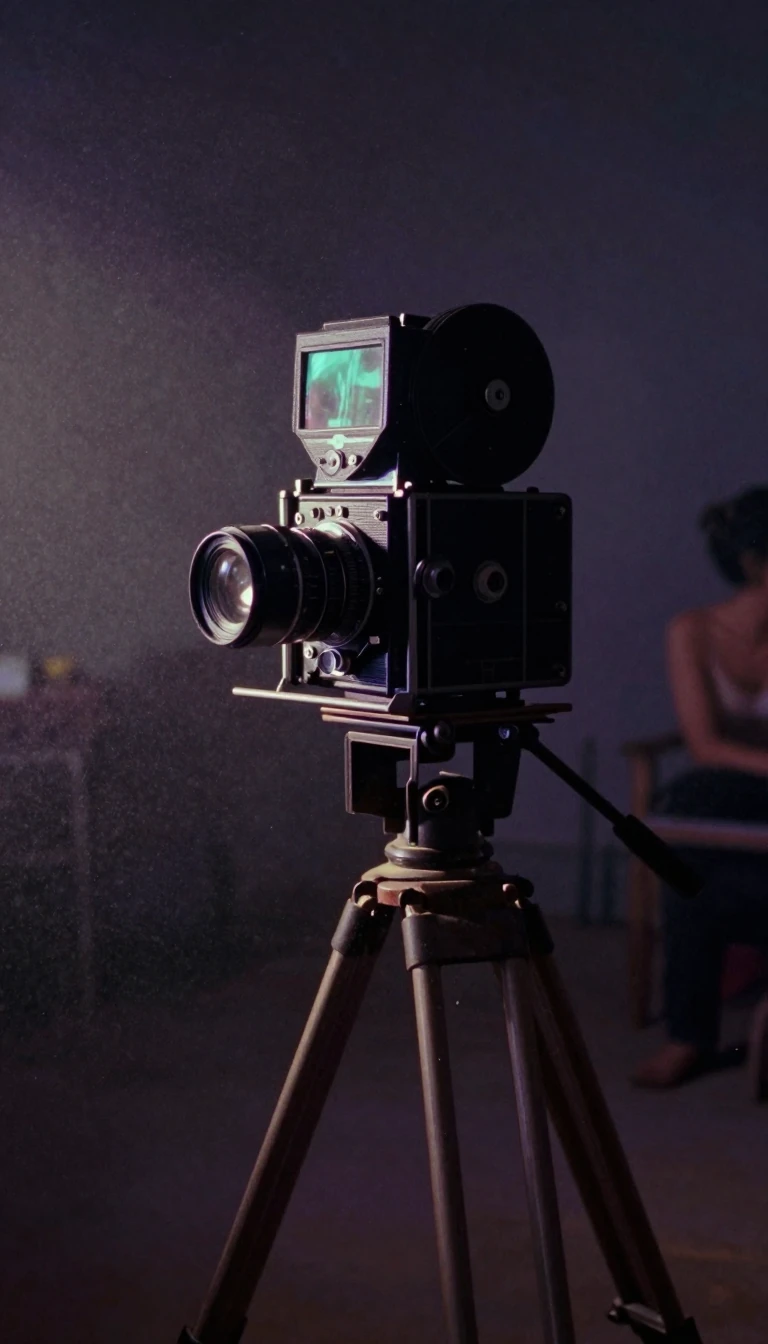
In short: Henri-Georges Clouzot defined the post-World War II thriller, crafting films so tense they invited comparisons to Alfred Hitchcock. From the perilous nitroglycerin transport in The Wages of Fear to the chilling psychological traps of Les Diaboliques, Clouzot mastered the art of atmospheric dread using sharp, high-contrast black-and-white cinematography.
Born in 1907, Clouzot’s path to cinema was shaped by early exposure to German expressionism while working in Berlin. His career faced significant turbulence; he was fired from UFA studios in 1934 for his associations with Jewish producers and later endured a five-year battle with tuberculosis. This period of isolation in a sanatorium proved transformative, as he spent his time studying the mechanics of storytelling and the fragility of human nature.
Clouzot’s return to filmmaking in occupied France was marked by both success and controversy. His work at the German-owned Continental Films led to a professional ban by the French government until 1947. Upon his return, he cemented his legacy with seminal thrillers. The Wages of Fear, released in 1953, won the Grand Prix at the Cannes Film Festival, while his 1955 masterpiece Les Diaboliques remains a benchmark for suspense, centered on a plot to murder a cruel headmaster.
Beyond his thrillers, Clouzot’s versatility extended to documentary work, most notably The Mystery of Picasso, which the French government declared a national treasure. Despite his immense influence, his later years were marked by personal tragedy following the death of his wife, Véra, and shifting critical tides as the French New Wave emerged. He passed away in 1977, leaving behind a body of work that continues to serve as a blueprint for the modern suspense genre.
Clouzot’s ability to manipulate audience anxiety through lighting and pacing remains his most enduring contribution. While his films were often compared to those of Alfred Hitchcock, Clouzot’s unique vision—forged in the shadow of war and personal illness—offered a distinct, often darker perspective on the human condition that remains critically recognized as among the greatest achievements of 1950s cinema.
Opens the Intellect+ feed with this card first. Swipe up for the next one.
Sources
- Summary by Intellect · source: Henri-Georges Clouzot | French writer and director | Britannica
- Also: Henri-Georges Clouzot
To cite this card, link to https://intellectplus.co.uk/app/art-henri-georges-clouzot.
How we source, check and correct cards: Editorial standards.
General information, not professional advice. Spotted an error? Flag the card or see corrections and complaints.
Intellect Plus is a visual educational discovery platform for exploring fascinating facts and ideas. Brain Food, Not Brain Rot. What is Intellect Plus?
Related
More in Filmmakers and theatre directors · More in Art · Latest · A–Z · All topics
