A 1943 French thriller became a political pariah for mirroring the reality of occupation.
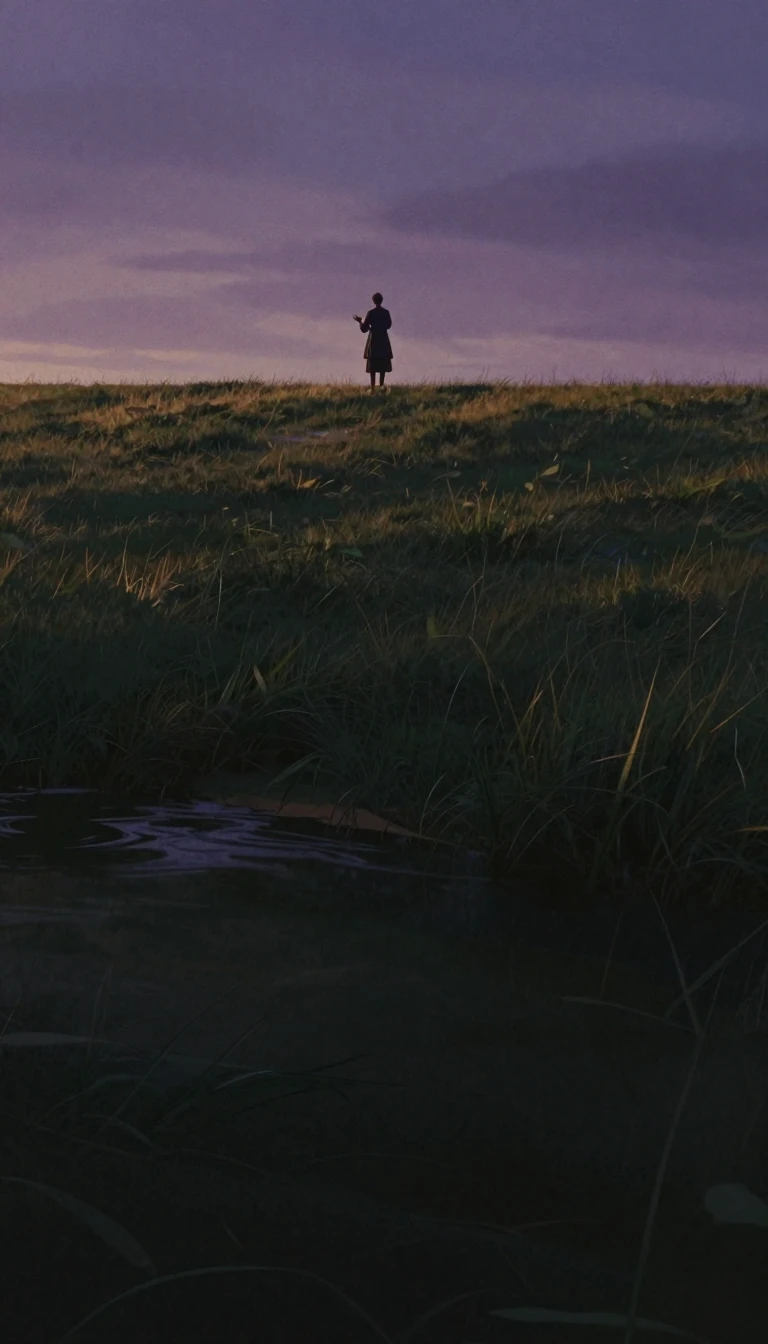
In short: Henri-Georges Clouzot’s Le Corbeau depicts a town unraveling under a barrage of anonymous, libelous letters. Released during the Nazi occupation of France, the film’s portrayal of neighbors informing on neighbors was so uncomfortably accurate that it was banned by both the Vichy regime and the post-war French Left.
The film centers on a provincial town terrorized by an anonymous letter-writer known as 'Le Corbeau' (The Raven). As the letters target a local doctor with accusations of malpractice and infidelity, the community descends into paranoia and violence. The screenplay, written by Louis Chavance and Clouzot, was inspired by a real-life anonymous letter case that occurred in Tulle in 1917. However, its 1943 release transformed the story into a volatile political statement.
Produced by the German-run Continental Films, the movie was initially pulled from theaters by the Vichy government. Officials feared the film’s depiction of widespread betrayal mirrored the common practice of informing on neighbors under their own rule. After the liberation of France, the political Left turned against the film as well. They argued that the movie’s cynical, microcosmic view of French society undermined the national narrative of a country united in heroic resistance against the Nazis.
The backlash was severe. Clouzot was banned from directing in France for life, a penalty that was not lifted until 1947. The film itself remained suppressed until 1969. Despite the controversy, critics like Henri Jeanson and Joseph Kessel eventually recognized it as a masterpiece of French cinema. Professor Alan Williams later identified it as the first classic French film noir, noting that the atmosphere of the Raven’s letters served as a philosophical reflection on the suffocating effects of the German occupation.
The film’s legacy persists in the French language, where 'corbeau' has become a standard term for a malicious informant. The term gained renewed notoriety in 1984 during the investigation into the murder of a young boy in Lépanges-sur-Vologne, where the media applied the label to the unidentified perpetrator. Decades later, the film remains a haunting study of how anonymous accusations can dismantle the social fabric of a community.
Opens the Intellect+ feed with this card first. Swipe up for the next one.
Sources
- Summary by Intellect · source: Le Corbeau
- Also: Wikidata — Le Corbeau · CC0
- Also: Wikidata — Le Corbeau · CC0
To cite this card, link to https://intellectplus.co.uk/app/entertainment-le-corbeau.
How we source, check and correct cards: Editorial standards.
General information, not professional advice. Spotted an error? Flag the card or see corrections and complaints.
Intellect Plus is a visual educational discovery platform for exploring fascinating facts and ideas. Brain Food, Not Brain Rot. What is Intellect Plus?
Related
More in Films · More in Entertainment · Latest · A–Z · All topics
