The world's oldest paintings are over 51,000 years old and depict ancient storytelling
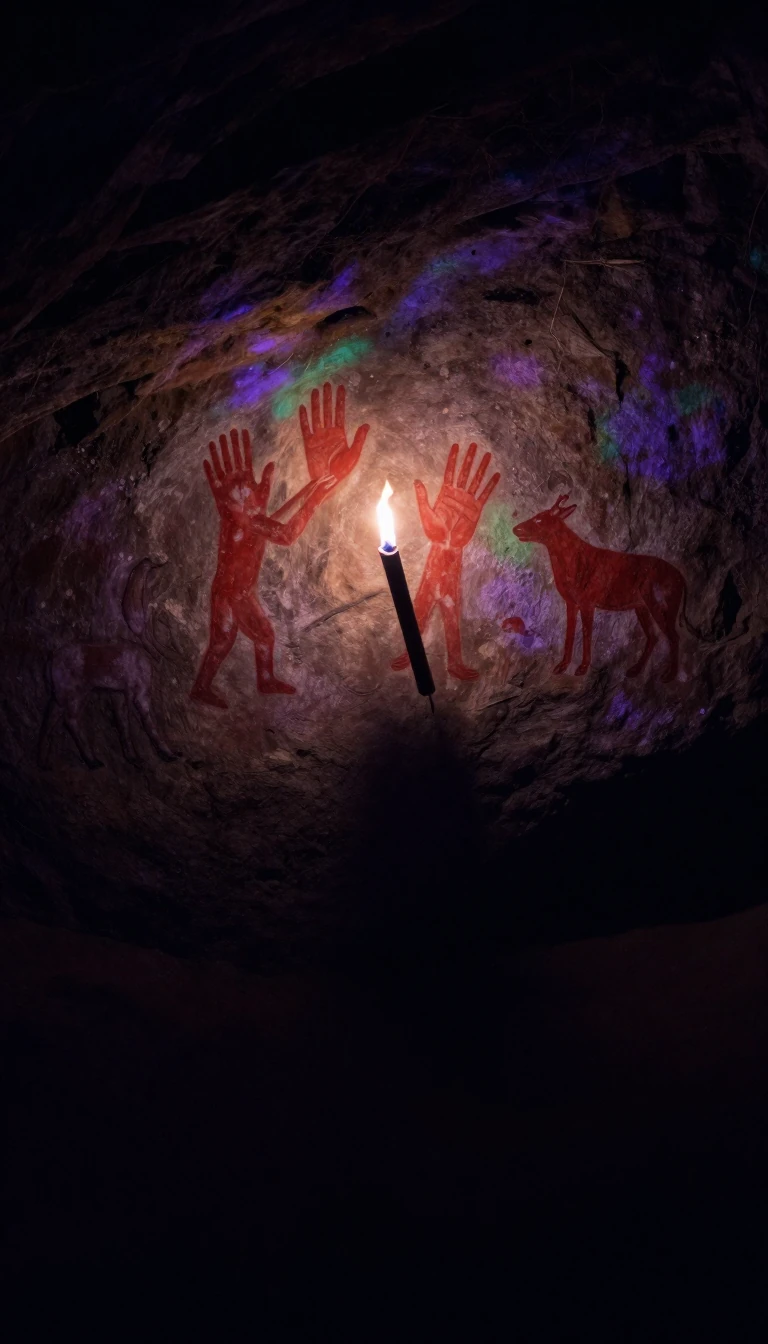
In short: Long before the Renaissance or the rise of the art gallery, humans were painting on cave walls. Recent discoveries in Indonesia have pushed the timeline of figurative art back to at least 51,200 years ago, revealing a deep, ancient human impulse to capture stories, animals, and our surroundings through pigment.
The history of painting is a vast, continuous river spanning tens of thousands of years across every continent. While Western art history often emphasizes a transition from representational and religious motifs to 20th-century abstraction, global traditions have long paralleled these shifts. The earliest known paintings, found in Indonesian caves like Leang Karampuang, date to approximately 51,200 years ago. These works, depicting anthropomorphic figures interacting with a pig, represent the earliest known instance of figurative art and human storytelling.
Prehistoric artists used these spaces for reasons that remain speculative. Theories range from animistic homage to nature and magic rituals intended to aid in hunting, to a fundamental, innate human need for expression. In the Paleolithic era, human figures were rare, with artists favoring animals—both food sources and symbols of strength—and geometric signs. Techniques varied, from spitting pigments onto rock surfaces to the use of mineral-based colors, as seen in the 7th-century pillars of the Ajanta Caves in India.
As civilizations matured, the purpose of painting shifted from utilitarian or ritualistic functions to serving imperial, civic, and religious patronage. In East Asia, traditions like Chinese landscape painting evolved through centuries of synthesis, with the Song dynasty marking a peak in both technical realism and sophisticated social critique. By the 19th century, the rise of the commercial art gallery in the West and the cross-pollination of styles—such as the influence of Japanese Ukiyo-e on European Post-Impressionists—transformed painting into a medium of personal expression. Today, contemporary works like Felix Gonzalez-Torres’s 1989 installation "Untitled" challenge traditional definitions, using text and mutable, renewable displays to suggest that identity itself is an open-ended, evolving narrative.
Opens the Intellect+ feed with this card first. Swipe up for the next one.
Sources
- Summary by Intellect · source: History of painting
- Also: "Untitled"
To cite this card, link to https://intellectplus.co.uk/app/art-history-of-painting.
How we source, check and correct cards: Editorial standards.
General information, not professional advice. Spotted an error? Flag the card or see corrections and complaints.
Intellect Plus is a visual educational discovery platform for exploring fascinating facts and ideas. Brain Food, Not Brain Rot. What is Intellect Plus?
Related
More in Visual artists · More in Art · Latest · A–Z · All topics
