Why a tower of playing cards can become stronger as it grows taller
In short: Building a house of cards is usually seen as a delicate test of patience, prone to collapse at the slightest tremor. Yet, professional architects argue that these structures rely on physics, not luck. When stacked correctly, the weight of the cards actually increases stability, turning simple paper into structural shear walls.
The term 'house of cards' has served as a metaphor for fragile systems since at least 1645, implying that a structure is only as secure as its most overlooked component. However, the physical practice of card stacking challenges this notion of inherent instability. By relying exclusively on friction and balance—avoiding adhesives or modifications to the cards—stackers create structures that defy common intuition. While a small tower might be precarious, professional stacker and architect Bryan Berg suggests that larger structures can gain strength through their own mass. As more cards are added, the downward pressure increases, which enhances the friction between layers and allows the structure to absorb minor stumbles without total failure.
The history of competitive card stacking is marked by a rapid escalation in height. The earliest documented record dates to September 1901, when Victoria Maitland of the United Kingdom built a fifteen-story tower. This record was quickly eclipsed: Rosie Farner reached twenty stories in April 1902, followed by F. M. Hollams, who achieved twenty-five stories by February 1903. Over the following decades, the ceiling for these structures rose significantly. By 1972, Joe Whitlam reached twenty-seven stories, and by 1983, John Slain had pushed the record to sixty-eight.
Bryan Berg has dominated the field since his 1992 record of seventy-five stories. His work has evolved from simple towers into massive architectural replicas. In 2007, he constructed a 25-foot-9+7⁄16-inch skyscraper at the State Fair of Texas. His ambition reached a new peak on March 10, 2010, when he completed a replica of The Venetian Macao resort hotel. This project required 218,792 cards—totaling over 4,000 decks—and took 44 days to assemble. Weighing more than 272 kilograms, the structure demonstrated that with precise technique, paper can function as a surprisingly robust building material, capable of supporting significant weight through the clever application of shear walls.
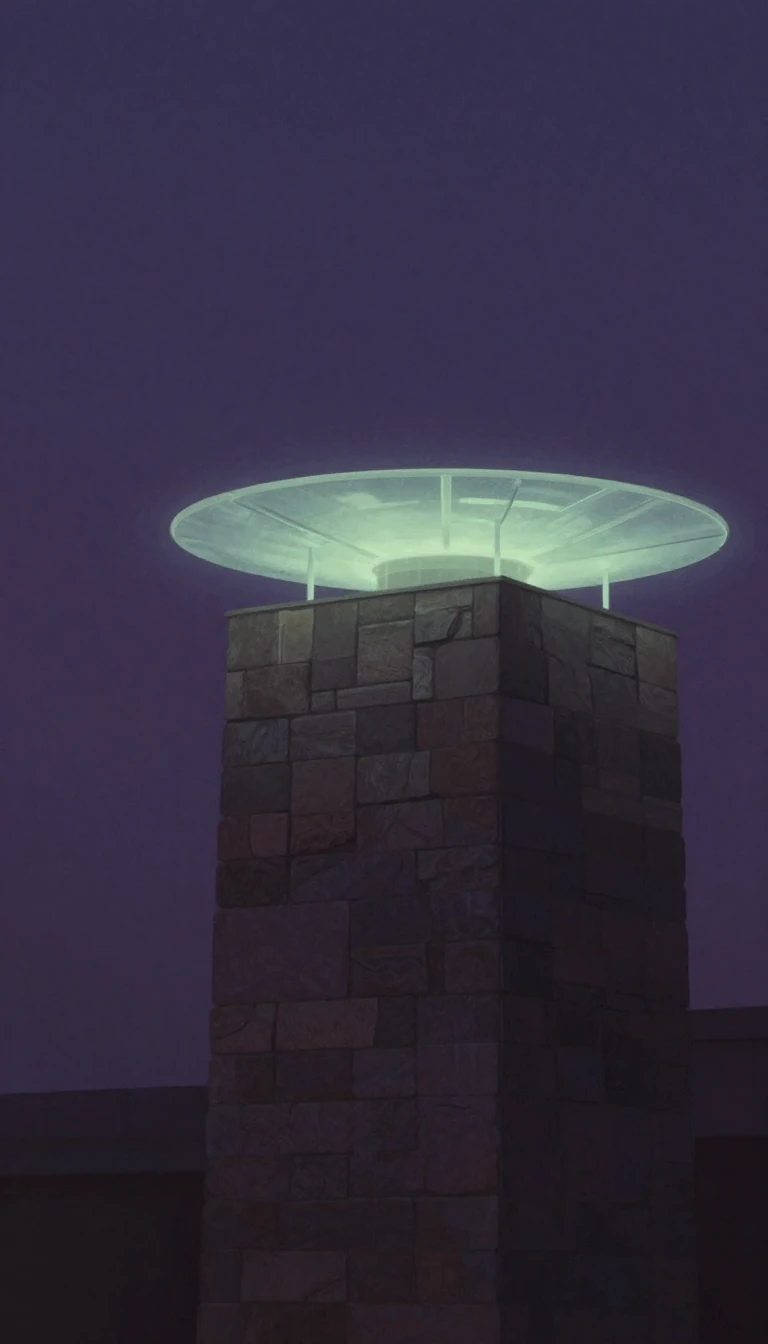
Beyond the physical act of stacking, the 'house of cards' remains a potent cultural symbol. Artists like Mervin Jules and William Carter have explored the theme in their work, reflecting the enduring fascination with structures that balance on the edge of collapse. Whether viewed as an engineering feat or a fragile metaphor, the house of cards continues to capture the imagination by turning the mundane playing card into a medium for monumental design.
Opens the Intellect+ feed with this card first. Swipe up for the next one.
Sources
- Summary by Intellect · source: House of cards
- Also: Art Institute of Chicago — House of Cards · CC0 (data); description CC BY 4.0
To cite this card, link to https://intellectplus.co.uk/app/art-house-of-cards.
How we source, check and correct cards: Editorial standards.
General information, not professional advice. Spotted an error? Flag the card or see corrections and complaints.
Intellect Plus is a visual educational discovery platform for exploring fascinating facts and ideas. Brain Food, Not Brain Rot. What is Intellect Plus?
Related
More in Performing arts · More in Art · Latest · A–Z · All topics
