Why a poem about Victorian stoicism became a global cultural touchstone for the masses
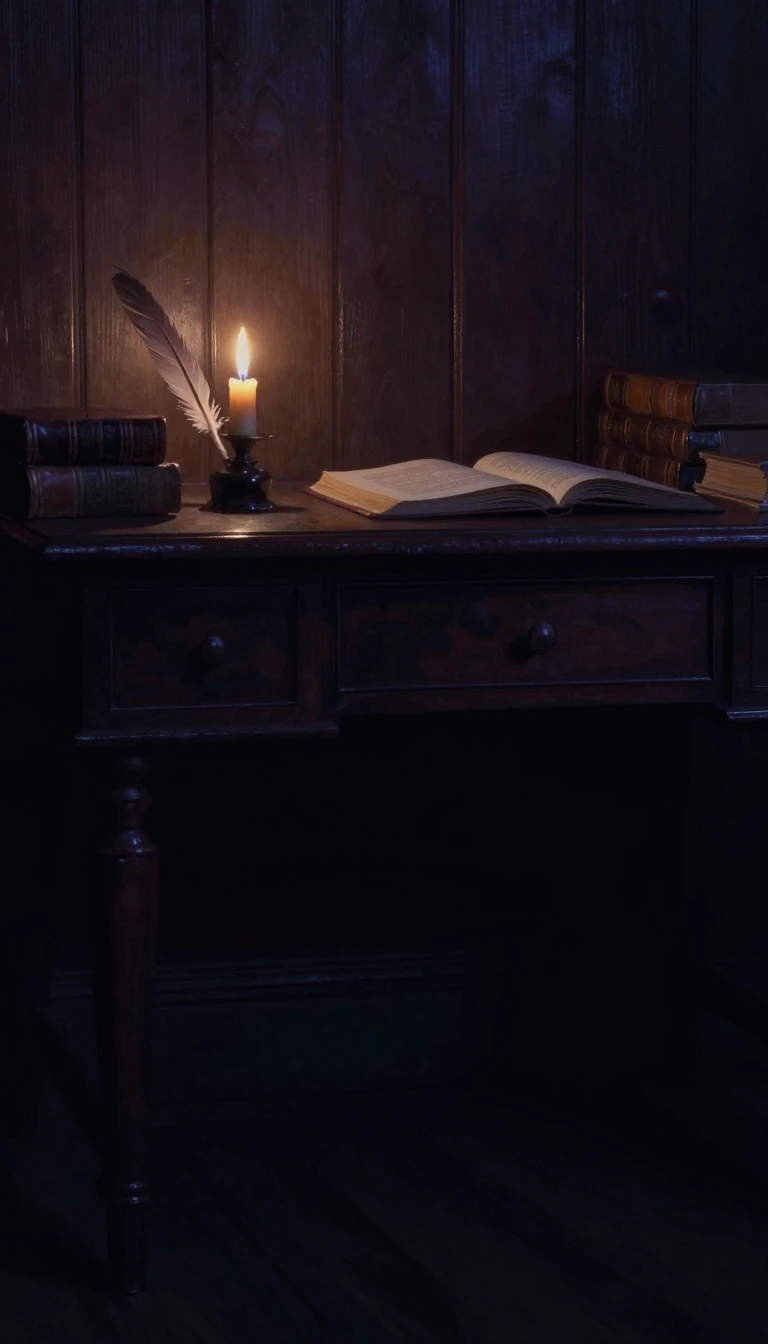
In short: Rudyard Kipling’s If— was intended as private paternal advice, yet it snowballed into an international phenomenon. From the walls of military academies to the entrance of Wimbledon’s Centre Court, this verses-turned-mantra has been both revered as a moral guide and dismissed as a sanctimonious relic of imperial discipline.
Published in 1910 within the collection Rewards and Fairies, If— was written by Rudyard Kipling as a tribute to Leander Starr Jameson, the leader of the failed Jameson Raid. While Kipling framed the poem as advice to his son, John, he later admitted in his 1937 autobiography that the character of Jameson—whose mercenary coup against the Boer government of Paul Kruger helped precipitate the Second Boer War—served as his primary inspiration. The poem quickly transcended its origins, becoming the definitive expression of the Victorian-era 'stiff upper lip' and a cornerstone of British national character.
The poem’s ubiquity eventually startled Kipling himself. By the end of his life, he noted that the verses had been translated into twenty-seven languages and printed on everything from office cards to fabrics. Its reach was vast: it was a daily recitation in American schools, a guiding principle for boxer Muhammad Ali, and even compared by Indian writer Khushwant Singh to the essence of The Gita. In 1996, a BBC poll named it the UK’s favourite poem, securing double the votes of its nearest competitor.
Despite its popularity, the poem has faced sharp criticism. Nobel laureate Pablo Neruda famously disparaged it as 'pedestrian and sanctimonious,' while philosopher Olivier Rey argued in 2006 that the work represents a form of paternal tyranny, forcing a son to meet a list of impossible conditions. Whether viewed as an essential guide to resilience or an oppressive set of expectations, the poem remains a fixture in public life, with its lines inscribed in granite at Westward Ho! and displayed at elite sporting venues like the All England Lawn Tennis and Croquet Club.
Opens the Intellect+ feed with this card first. Swipe up for the next one.
Sources
- Summary by Intellect · source: If—
To cite this card, link to https://intellectplus.co.uk/app/art-if.
How we source, check and correct cards: Editorial standards.
General information, not professional advice. Spotted an error? Flag the card or see corrections and complaints.
Intellect Plus is a visual educational discovery platform for exploring fascinating facts and ideas. Brain Food, Not Brain Rot. What is Intellect Plus?
Related
More in Literature · More in Art · Latest · A–Z · All topics
