Improvisation is not just spontaneous performance; it is a neurological state of reduced inhibition.
In short: Whether in jazz, engineering, or sculpture, improvisation is the act of creating without a script. Science suggests this process relies on a specific brain shift: silencing the internal critic to allow for pure, unforeseen invention. It is a universal human capacity that turns limitations into the foundation for original discovery.
At its core, improvisation—from the Latin improvisus, meaning unforeseen—is the practice of spontaneous creation. While often associated with theater or jazz, the concept spans disciplines. In music, functional magnetic resonance imaging studies by Charles Limb reveal that improvising triggers a distinct neurological signature: increased activity in the medial prefrontal cortex, linked to self-expression, alongside decreased activity in the lateral prefrontal cortex, which governs self-monitoring. This shift effectively lowers the brain's internal inhibitions, allowing performers to take risks and bypass the mental filters that typically constrain creative output.
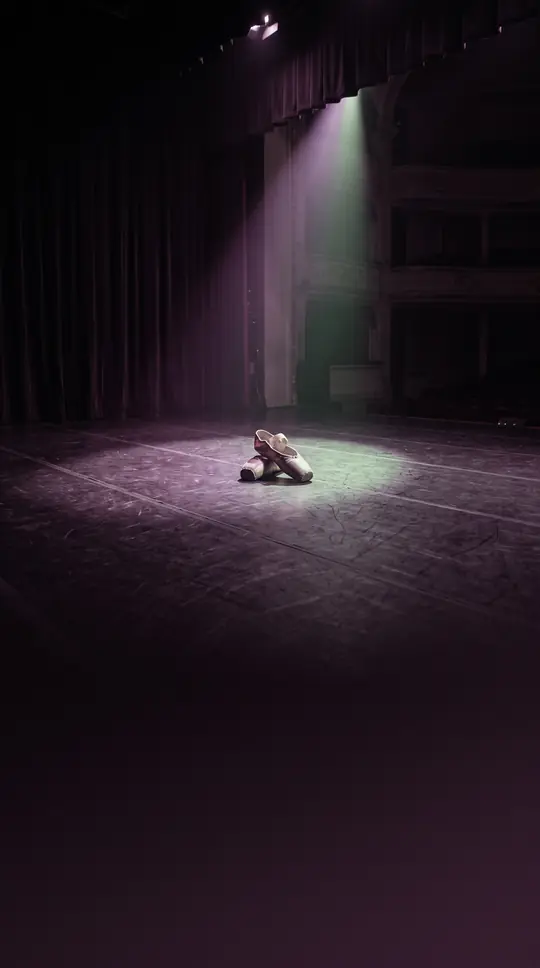
This mechanism of 'uninhibited' creation is mirrored in other fields. In dance, choreographers use improvisation to experiment with space and time, clearing the way for invention by avoiding cognitive judgment. Sculptors like Alan Thornhill have applied similar principles by abandoning pre-planned models, allowing forms to emerge organically from the material. Even in engineering, improvisation serves as a vital problem-solving tool, famously exemplified by the emergency re-engineering of carbon dioxide scrubbers during the Apollo 13 mission. In these contexts, the lack of a predetermined path is not a deficit but a catalyst for innovation.
The application of improvisation is as diverse as its practitioners. In film, director Mike Leigh builds complex narratives through weeks of unscripted character development, while in literature, writers use improvisational exercises to overcome creative blocks. Even in the visual arts, figures like Vasily Kandinsky utilized the term to describe spontaneous, unconscious expressions, as seen in his 1913 work Improvisation No. 30 (Cannons). Whether it is a rapper engaging in verbal combat or a driver in Africa repairing a vehicle with scavenged parts, the essence remains the same: working with whatever is at hand to produce something new in the moment.
Opens the Intellect+ feed with this card first. Swipe up for the next one.
Sources
- Summary by Intellect · source: Improvisation
- Also: Art Institute of Chicago — Improvisation No. 30 (Cannons) · CC0 (data); description CC BY 4.0
- Also: www.britannica.com — Improvisation | Acting, Performance, Technique | Britannica
To cite this card, link to https://intellectplus.co.uk/app/art-improvisation.
How we source, check and correct cards: Editorial standards.
General information, not professional advice. Spotted an error? Flag the card or see corrections and complaints.
Intellect Plus is a visual educational discovery platform for exploring fascinating facts and ideas. Brain Food, Not Brain Rot. What is Intellect Plus?
Related
More in Arts: General · More in Art · Latest · A–Z · All topics
