Is musical improvisation the ultimate act of spontaneous composition or a learned skill?
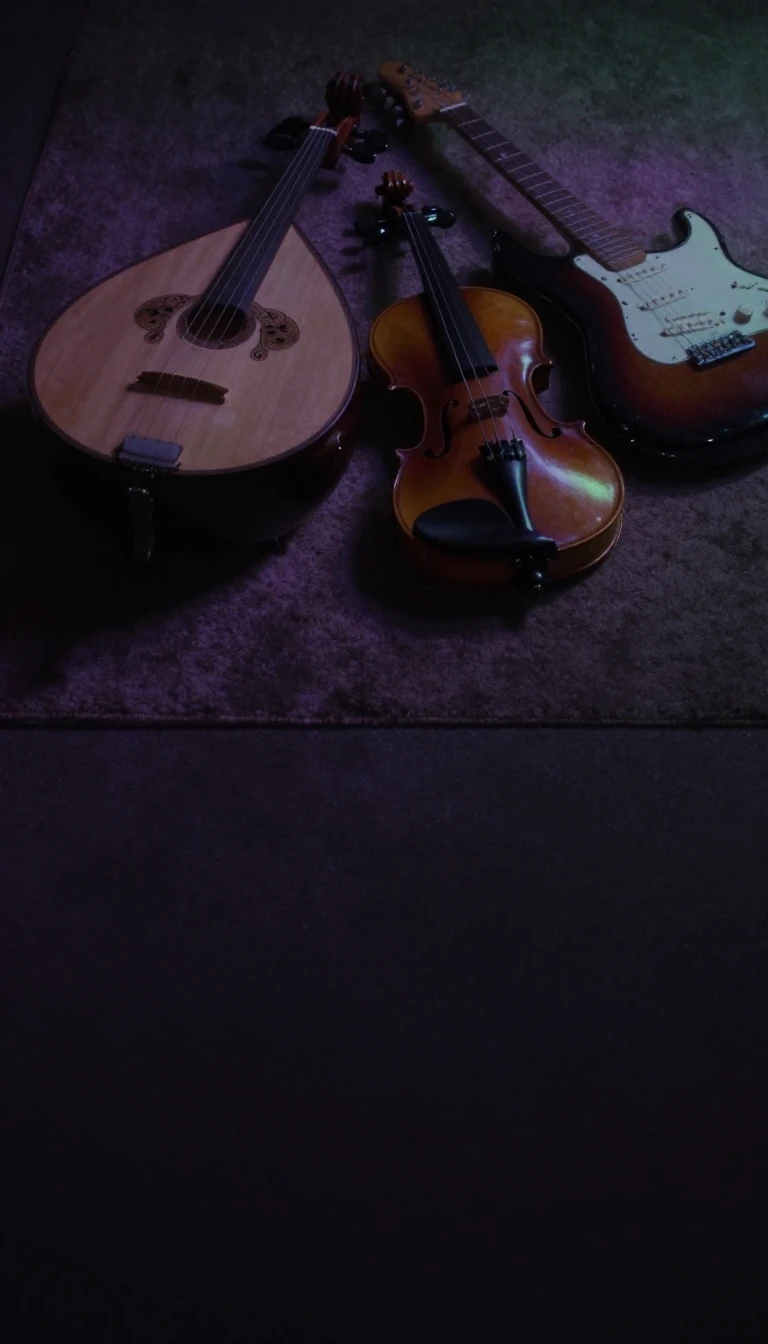
In short: Improvisation is often mistaken for pure, unscripted chaos, yet it is a disciplined art form rooted in deep technical mastery. From the complex ragas of Indian classical music to the structured freedom of jazz, performers use established frameworks to invent melodies, rhythms, and harmonies in the very moment of performance.
At its core, musical improvisation is the creative activity of immediate composition. While often perceived as spontaneous, it frequently relies on pre-existing harmonic structures, such as the chord progressions found in Western art music or the melodic frameworks known as ragas in Indian, Afghan, Pakistani, and Bangladeshi traditions. A raga, which translates to color or passion, provides a specific set of notes, characteristic motifs, and a unique mood or rasa that guides the performer. In Indian classical music, the alapa—a rhythmically free, improvised section—serves as the essential opening, revealing the raga's personality before the performance transitions into metrically organized sections.
Historically, improvisation was a cornerstone of Western art music. During the Baroque era, masters like J.S. Bach and Handel were celebrated for their ability to improvise ornaments and realize figured bass accompaniments. Even in the 19th century, virtuosos like Liszt and Chopin utilized extemporization to link pieces or create introductions. However, as performance became institutionalized in symphony orchestras, the practice declined. By the 20th century, improvisation largely vanished from contemporary classical music, with the notable exception of church organ traditions, before seeing a resurgence in the 1950s through experimental ensembles and avant-garde composers.
Today, improvisation spans diverse genres, from the structured 'breaks' in bluegrass to the live, longform musical theatre of performers like Jessica McKenna and Zach Reino. In jazz, the practice is central, requiring performers to balance intuition with a deep understanding of chord changes. Meanwhile, the digital age has introduced machine improvisation, where algorithms analyze existing musical patterns to generate new variations. Whether through the human unconscious or computer-driven pattern matching, improvisation remains a vital dialogue between the performer, the listener, and the physical space of the performance.
Opens the Intellect+ feed with this card first. Swipe up for the next one.
Sources
- Summary by Intellect · source: Musical improvisation
To cite this card, link to https://intellectplus.co.uk/app/music-musical-improvisation.
How we source, check and correct cards: Editorial standards.
General information, not professional advice. Spotted an error? Flag the card or see corrections and complaints.
Intellect Plus is a visual educational discovery platform for exploring fascinating facts and ideas. Brain Food, Not Brain Rot. What is Intellect Plus?
Related
More in Music · More in Music · Latest · A–Z · All topics
